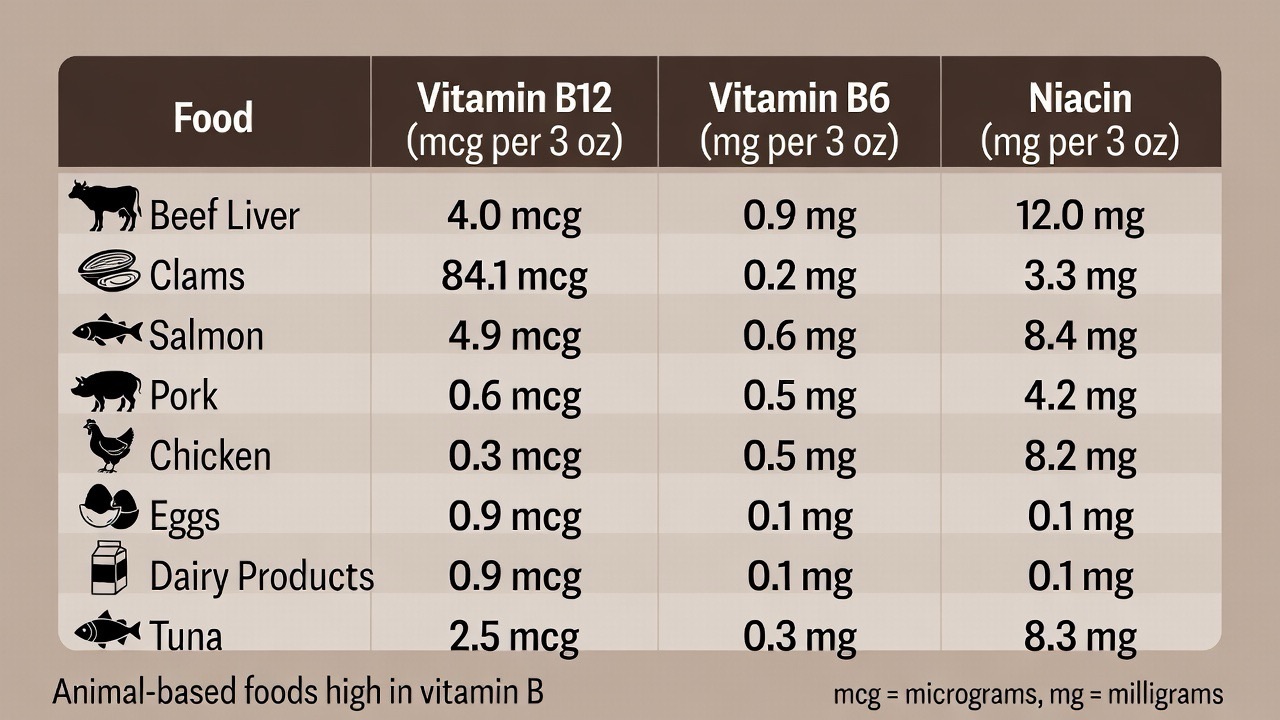
Vitamin B is not a single nutrient but a group of essential vitamins required for daily survival. These vitamins play a central role in energy metabolism, nerve conduction, red blood cell production, DNA synthesis, and hormonal balance. When vitamin B intake is insufficient, the body struggles to function efficiently. Common signs include chronic fatigue, poor […]


People living with type 2 diabetes carry a higher than usual risk of depression. This isn’t surprising: diabetes affects the body and mind, altering energy, stress levels, eating behavior, and brain chemistry over time. Research now suggests that the type of glucose-lowering drug a person uses may also be associated with differences in the risk

Do Certain Diabetes Medications Affect Depression Risk?Read More »

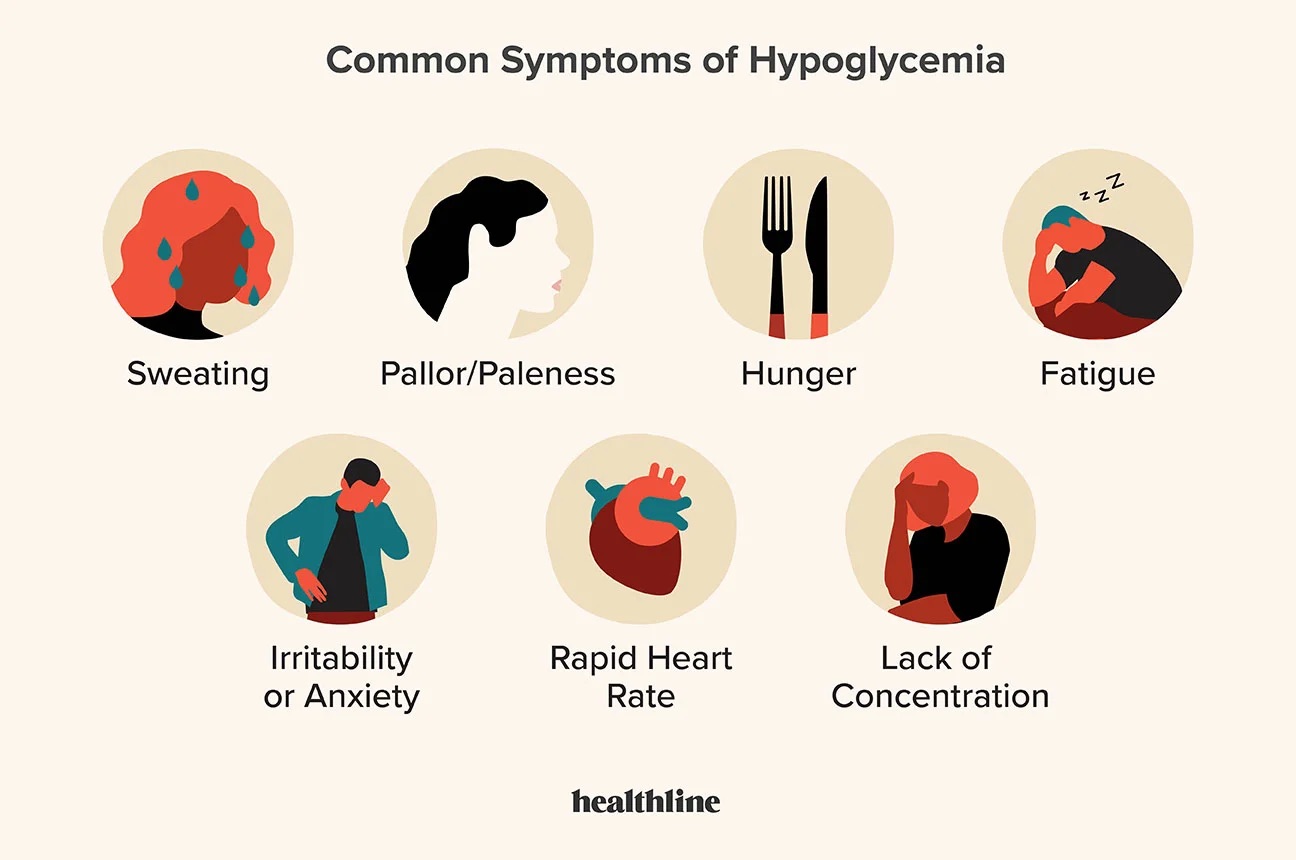
Hypoglycemia refers to a condition where blood glucose (blood sugar) levels fall below normal. While it is most commonly linked to diabetes treatment, it can also occur in people without diabetes. Low blood sugar is not something to ignore. When glucose drops too far, the brain and body are affected quickly. The good news is

Hypoglycemia: When Blood Sugar Drops Too LowRead More »

Introduction The liver is one of the most hardworking organs in the human body. It filters toxins, processes nutrients, produces vital proteins, and plays a central role in metabolism. Yet, liver problems often develop quietly, showing few symptoms until damage becomes significant. This is where Liver Function Tests (LFTs) become important. LFTs are a group

Liver Function Test (LFT): What It Really Tells You About Your LiverRead More »