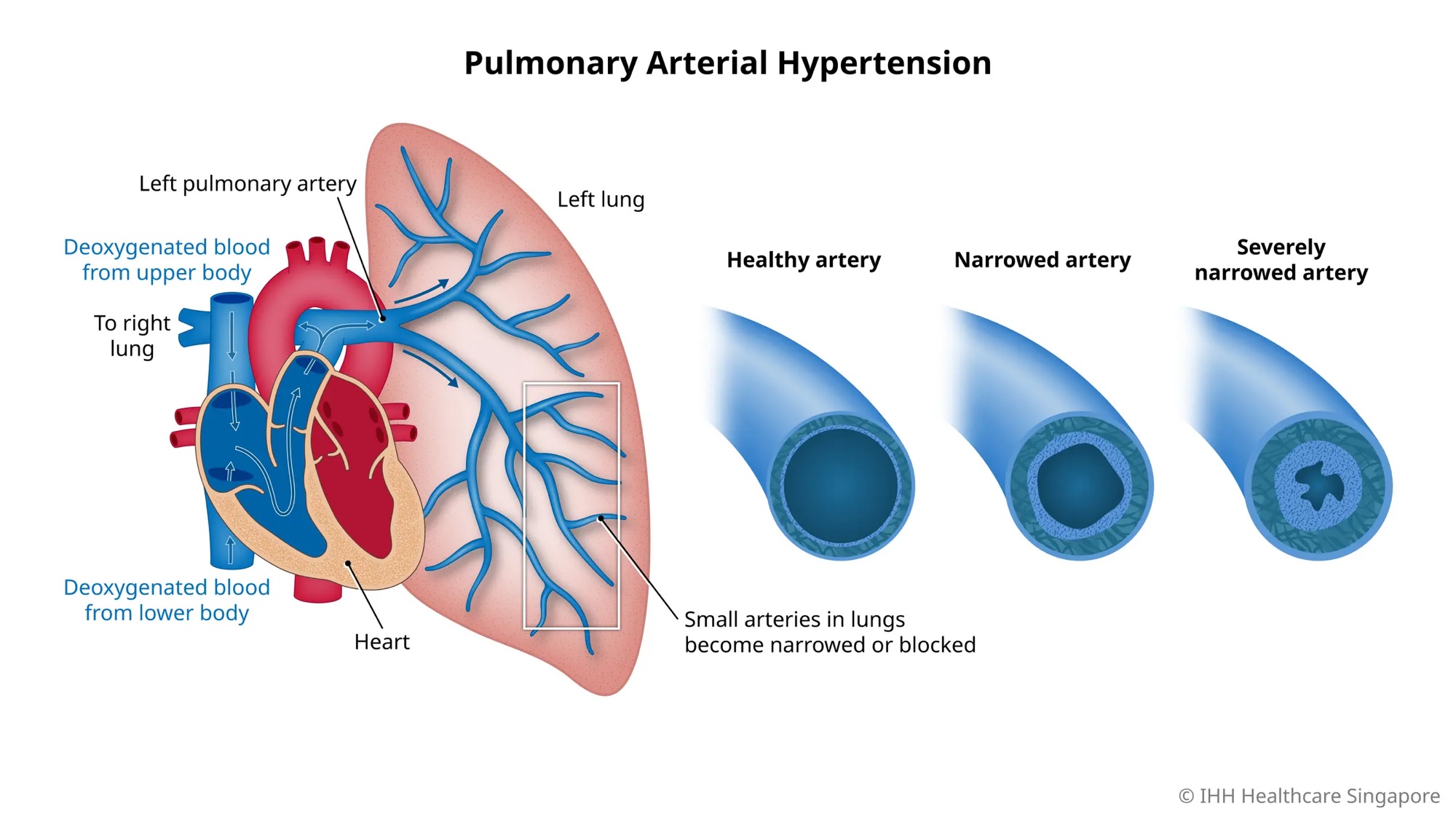
Pulmonary Hypertension (PH) is a serious and progressive condition where the blood pressure in the arteries of the lungs becomes abnormally high. Over time, this extra pressure forces the right side of the heart to work much harder than normal. If untreated, it can eventually lead to right heart failure. Although it is not as […]
Category: Heart Disease
Myocardial infarction (MI), commonly known as a heart attack, is a medical emergency caused by sudden interruption of blood supply to the heart muscle. If not treated promptly, it leads to ischemia and irreversible myocardial cell death.
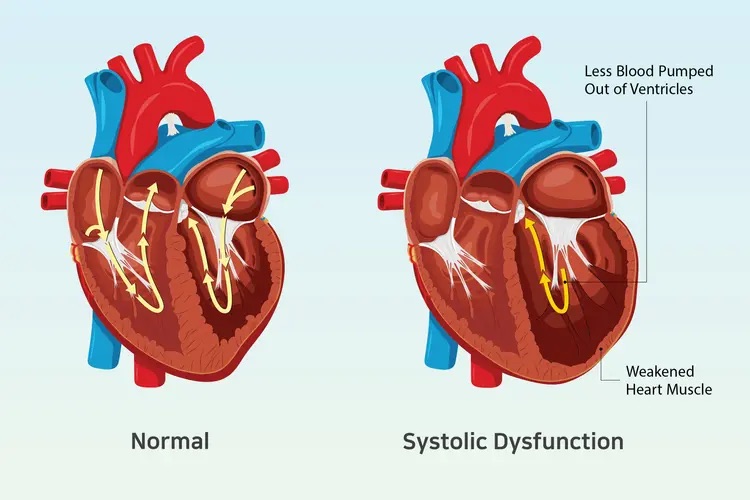
Heart failure is a chronic condition in which the heart cannot pump blood effectively. This leads to inadequate oxygen and nutrient delivery to body tissues.
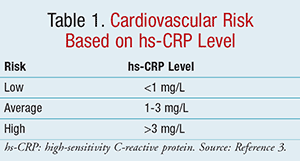
C-Reactive Protein (CRP) is one of the most commonly used blood markers for inflammation. It does not identify a specific disease, but it provides important information about whether inflammation is present and how active it is in the body.
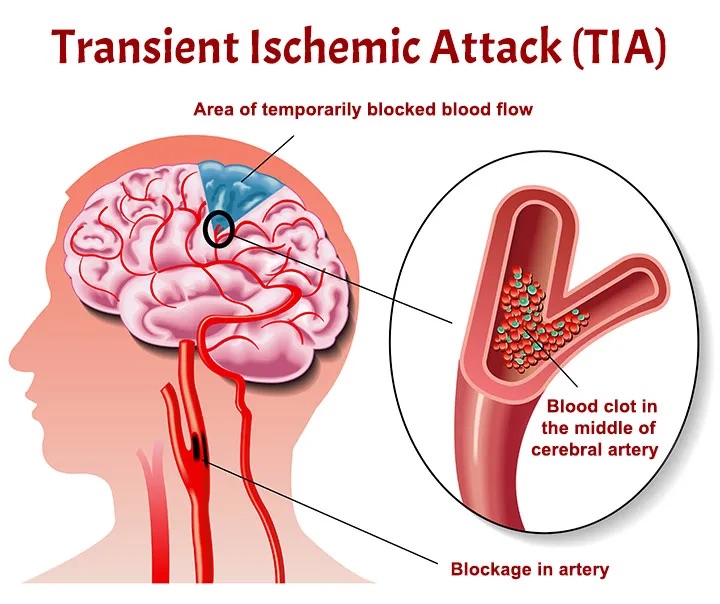
A Transient Ischemic Attack (TIA) is often called a “mini-stroke.” While its symptoms are temporary, a TIA is a serious medical warning that should never be ignored. It signals a high risk of a future, potentially disabling stroke.
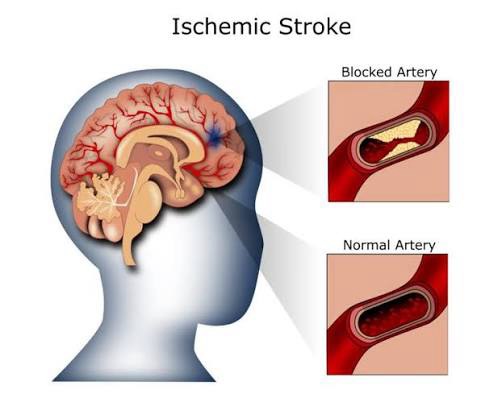
An ischemic stroke happens when blood flow to part of the brain is blocked. Without oxygen and nutrients, brain cells begin to die within minutes. This is the most common type of stroke, accounting for about 85% of all stroke cases. Because brain tissue is extremely sensitive to oxygen loss, rapid treatment is critical. Early
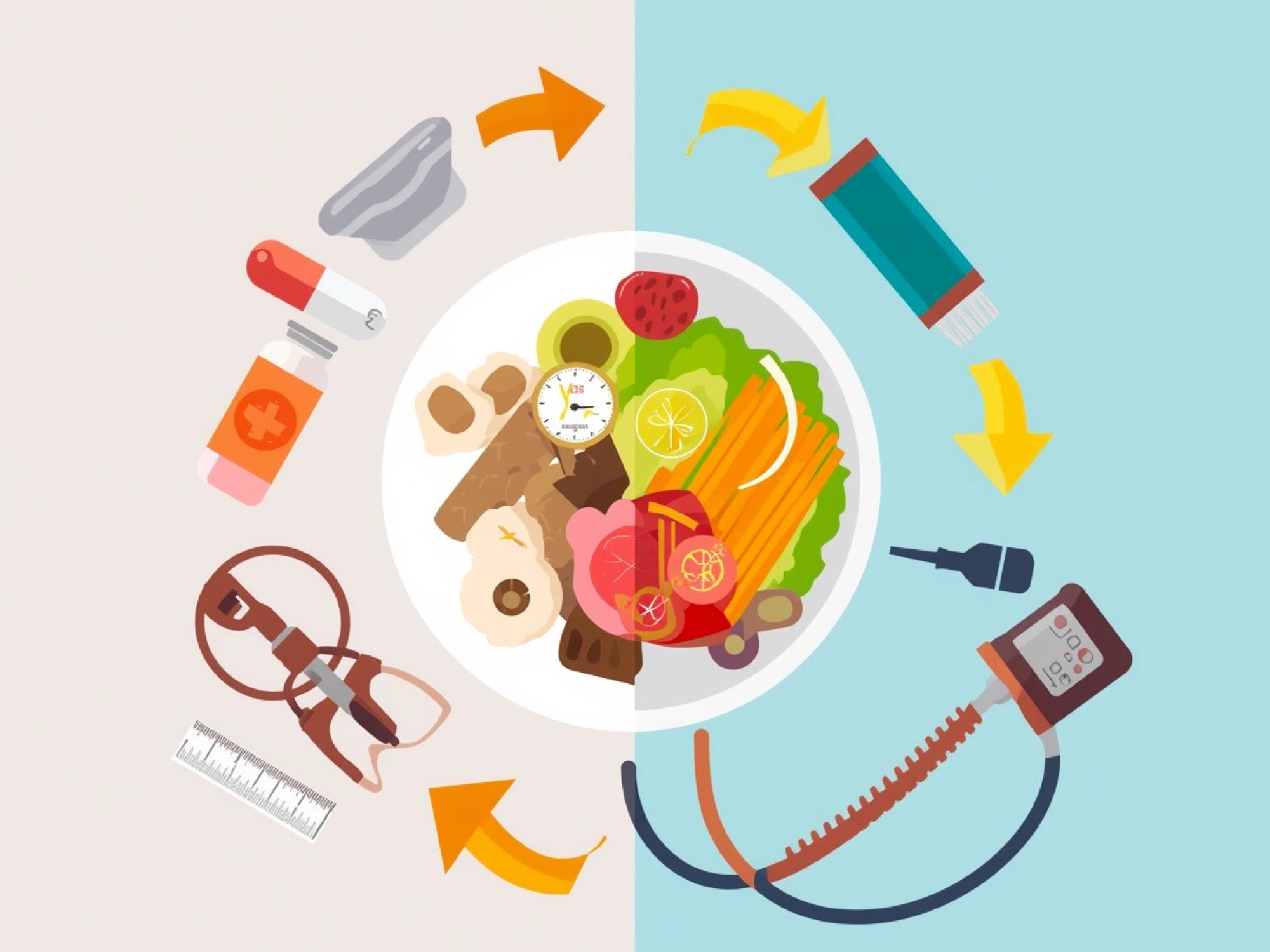
High blood pressure, or hypertension, is a condition that often goes unnoticed. Many people feel fine, yet their blood pressure is consistently elevated. Over time, this silent strain increases the risk of heart disease, stroke, kidney problems, and other serious complications. Anti-hypertensive medications are used to control blood pressure. They don’t cure hypertension, but they
Understanding Anti-Hypertensive Medications and How Low carb Diet HelpsRead More »
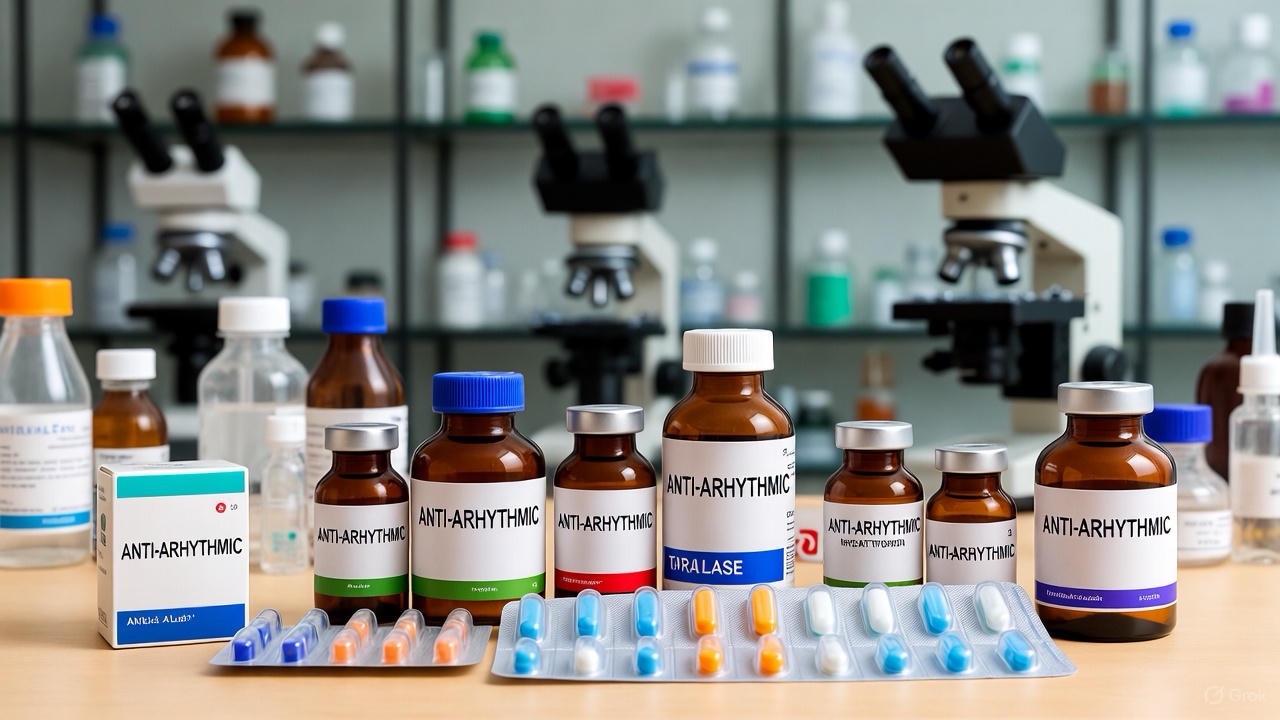
A few years ago I sat in a cardiologist’s office while he drew little squiggly lines on a piece of paper and said, “Your heart is having extra beats — it’s like a drummer who keeps adding random fills.” That’s the day I was introduced to arrhythmias and, shortly after, to the medicines that try
What You Need to Know About Anti-Arrhythmic DrugsRead More »
Especially if you’ve already had one? I’m going to be straight with you: when I first saw the headline coming out of the American Heart Association’s Scientific Sessions in New Orleans (November 2025), I did a double-take. A preliminary study just presented at the meeting found that adults with heart disease who had already survived
Could getting your vitamin D levels just right cut your heart attack risk in half?Read More »
A stroke happens when the blood supply to part of your brain is interrupted or severely reduced. Without oxygen and nutrients delivered via the bloodstream, brain tissue starts to suffer — and brain cells begin to die within minutes. Immediate medical attention is absolutely critical to limit brain damage and improve outcomes. Types of Stroke