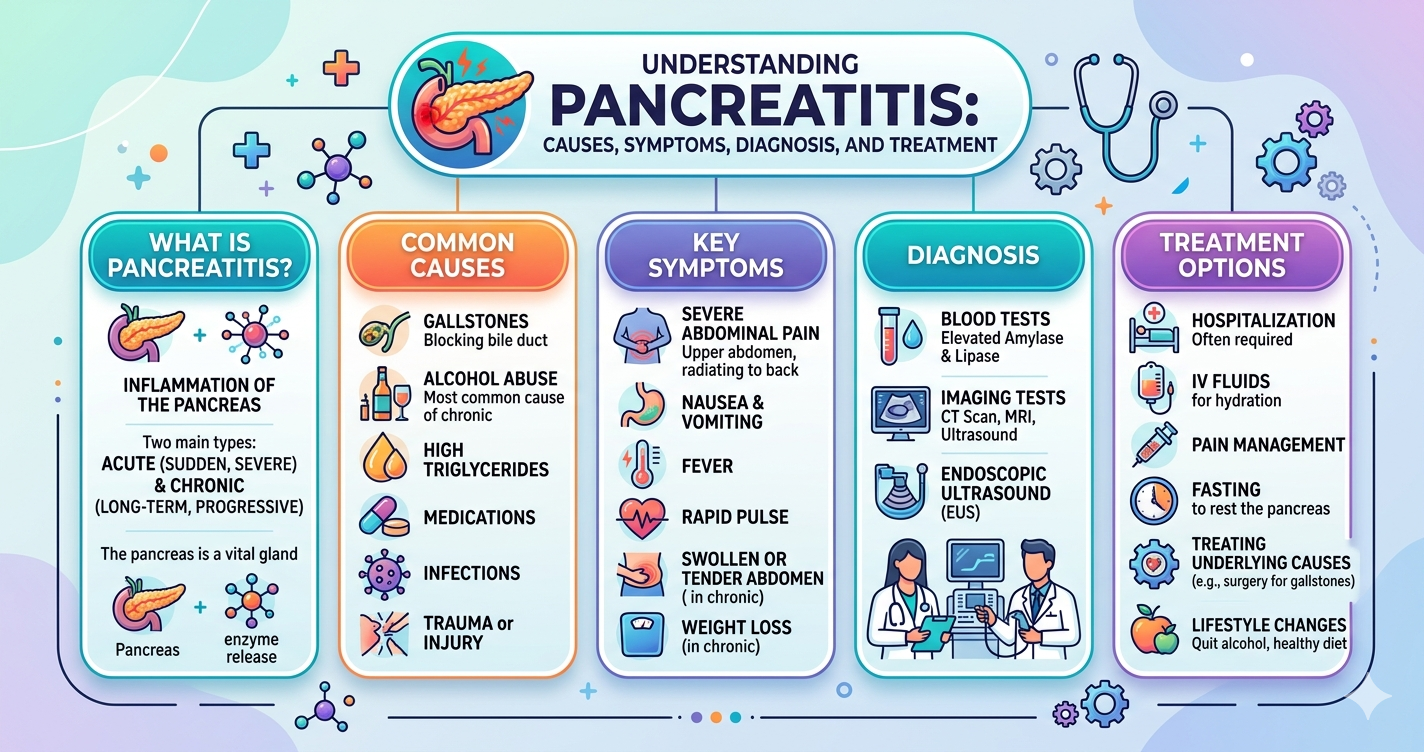

Pancreatitis, an inflammation of the pancreas, can range from mild to severe, potentially life-threatening without early treatment. It plays a crucial role in digestion and blood sugar regulation, and inflammation can damage digestive enzymes. Common causes include gallstones and heavy alcohol consumption.
Category: Diabetes
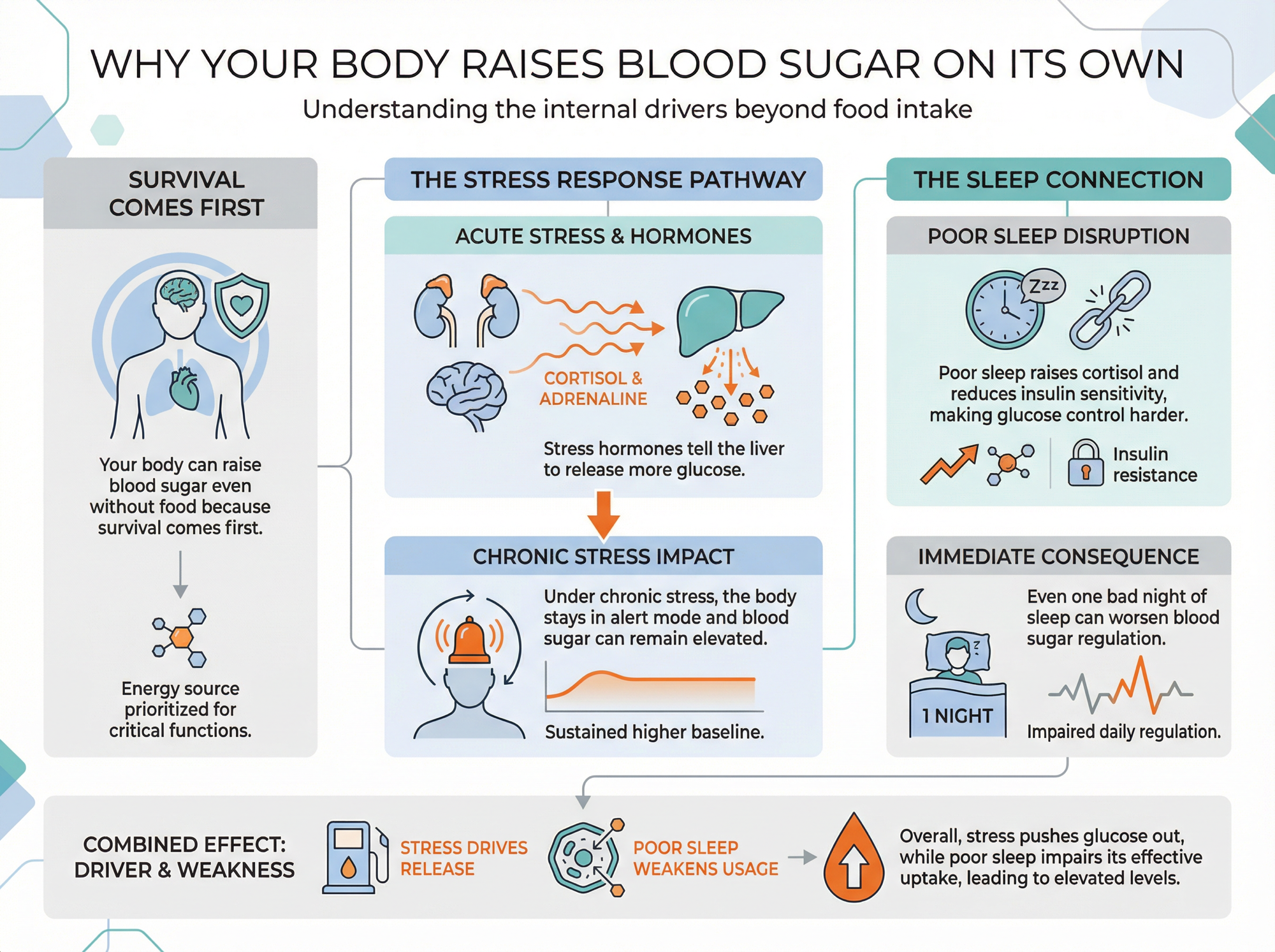
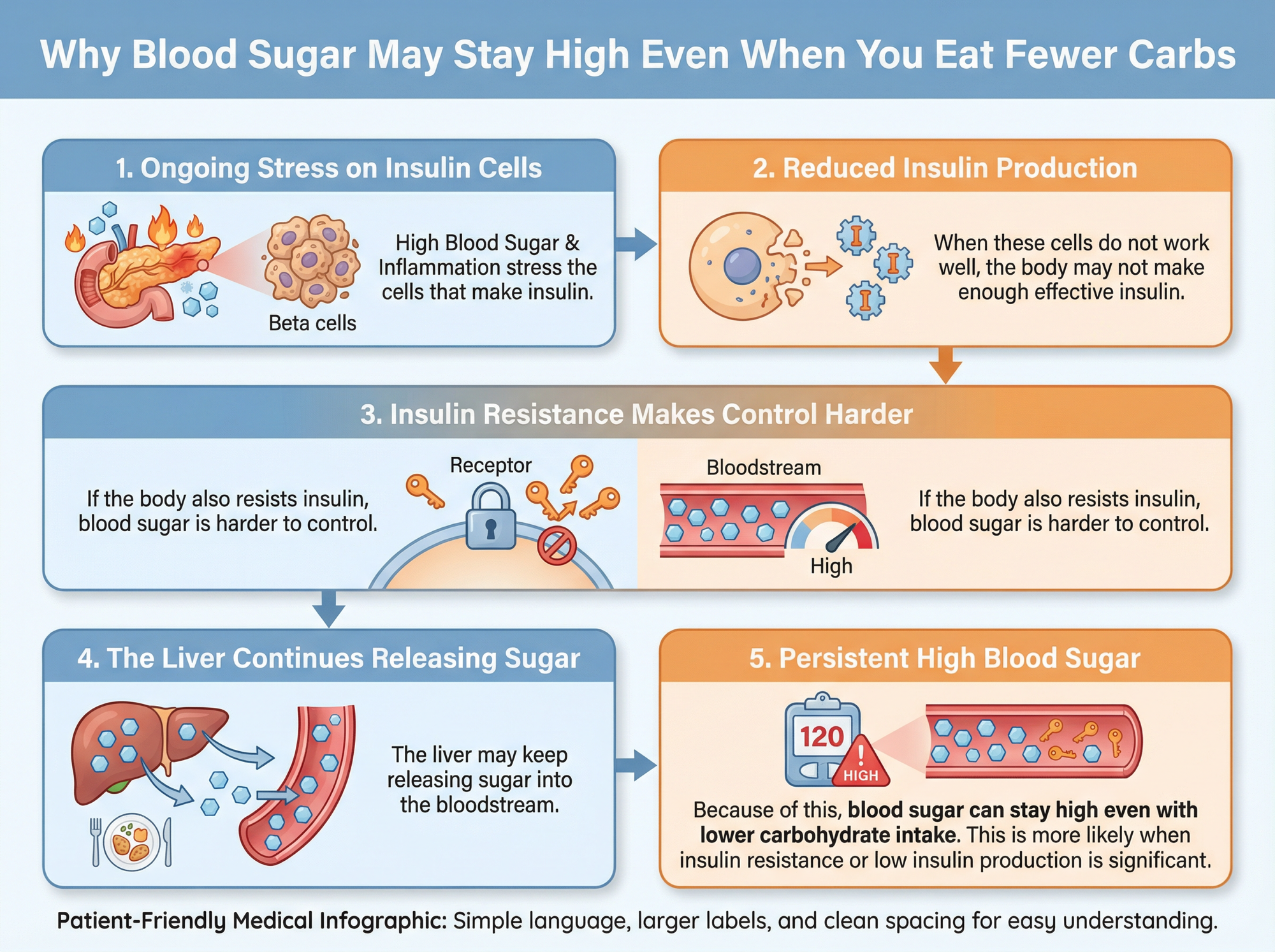
Chronic stress and hormonal imbalances play a significant role in high blood sugar, often overshadowing dietary changes. The pancreas, liver, gut, and hormones work together to regulate blood sugar, making it crucial to address stress and sleep for effective management.
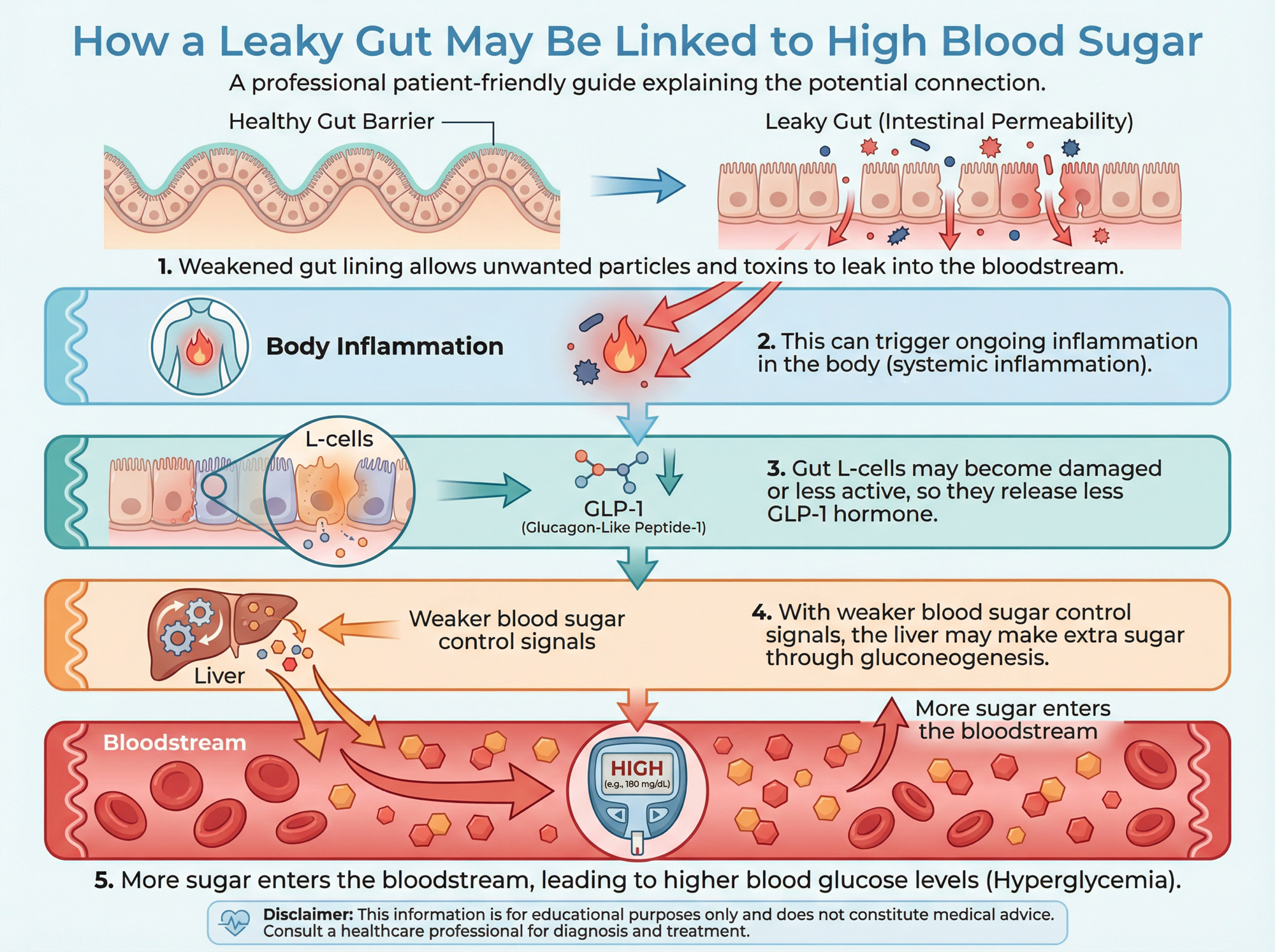
The gut is the overlooked powerhouse that bridges pancreas and liver, signaling inflammation and glucose production. When compromised, the system fails—low carb can help restore balance.
Unlocking the liver’s hidden signals could revolutionize our understanding of glucose control and metabolic health.
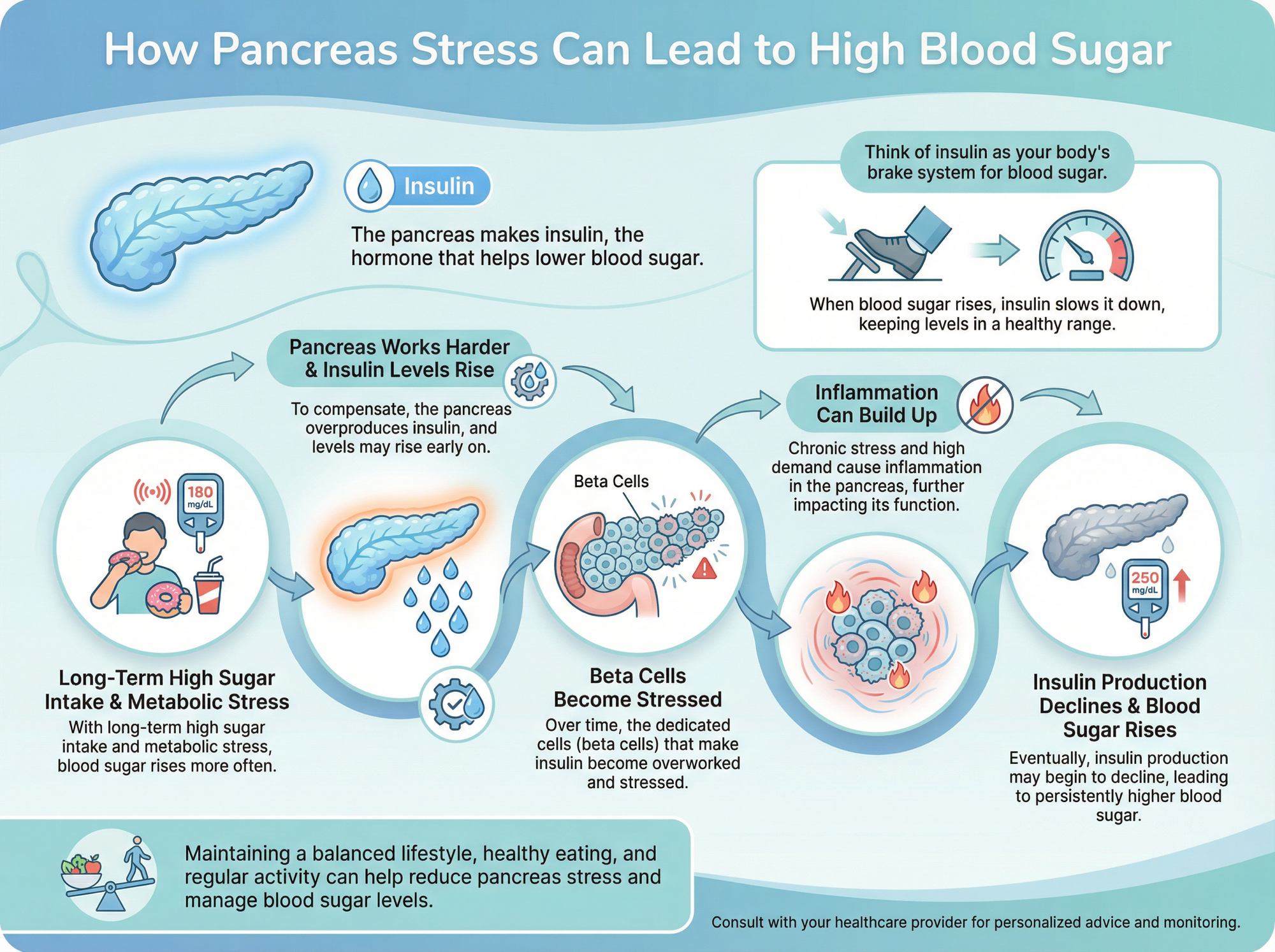
Discover how the pancreas, often the focus of blood sugar discussions, plays a more complex role than just producing insulin. Learn why a properly structured low-carb diet can reduce insulin demand and alleviate stress on this vital organ.
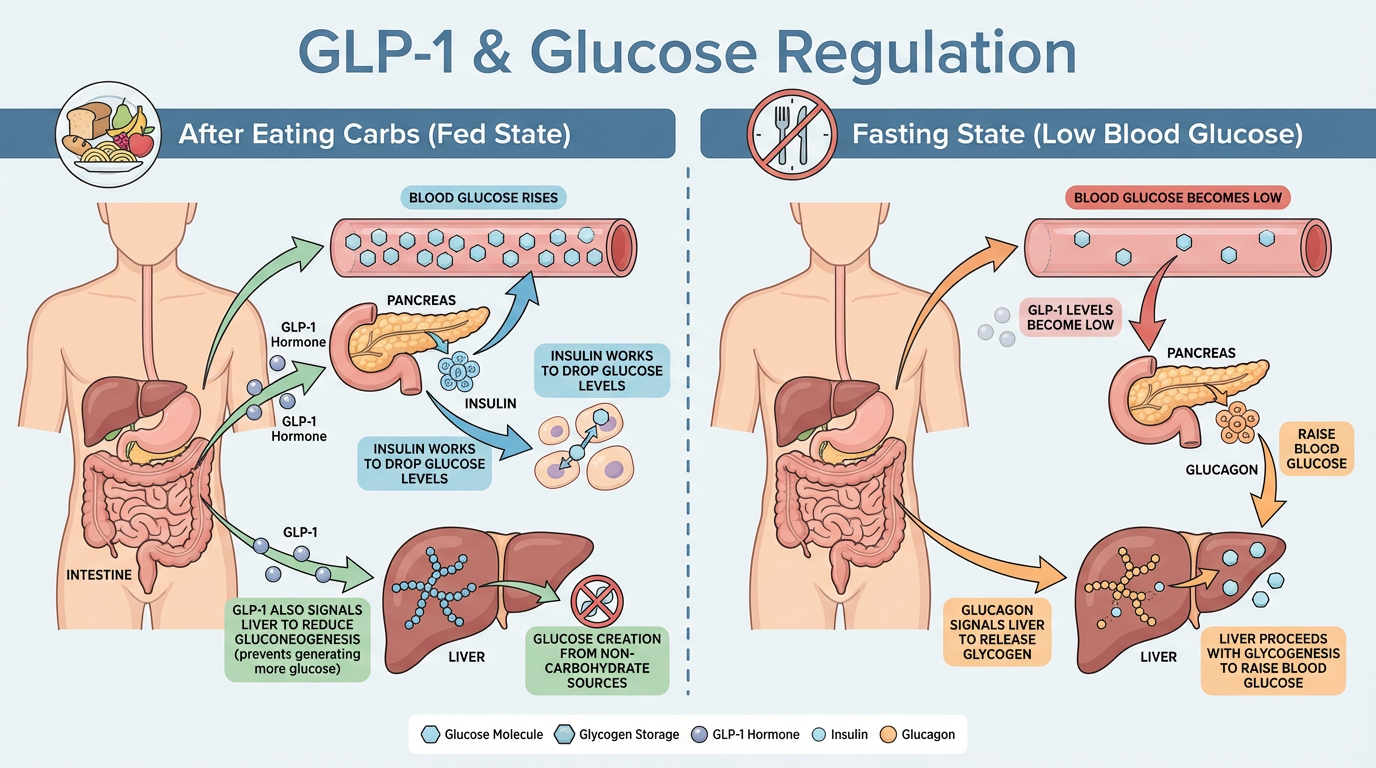
GLP-1 is often marketed today as a “weight loss hormone.” But in reality, it is something far more fundamental — a natural regulator your body uses every single day. To truly understand metabolic health, we need to look at the full picture — how GLP-1, insulin, and glucagon work together in a continuous cycle.
Recently, The Star published a helpful article explaining HbA1c and how it is used in modern healthcare.
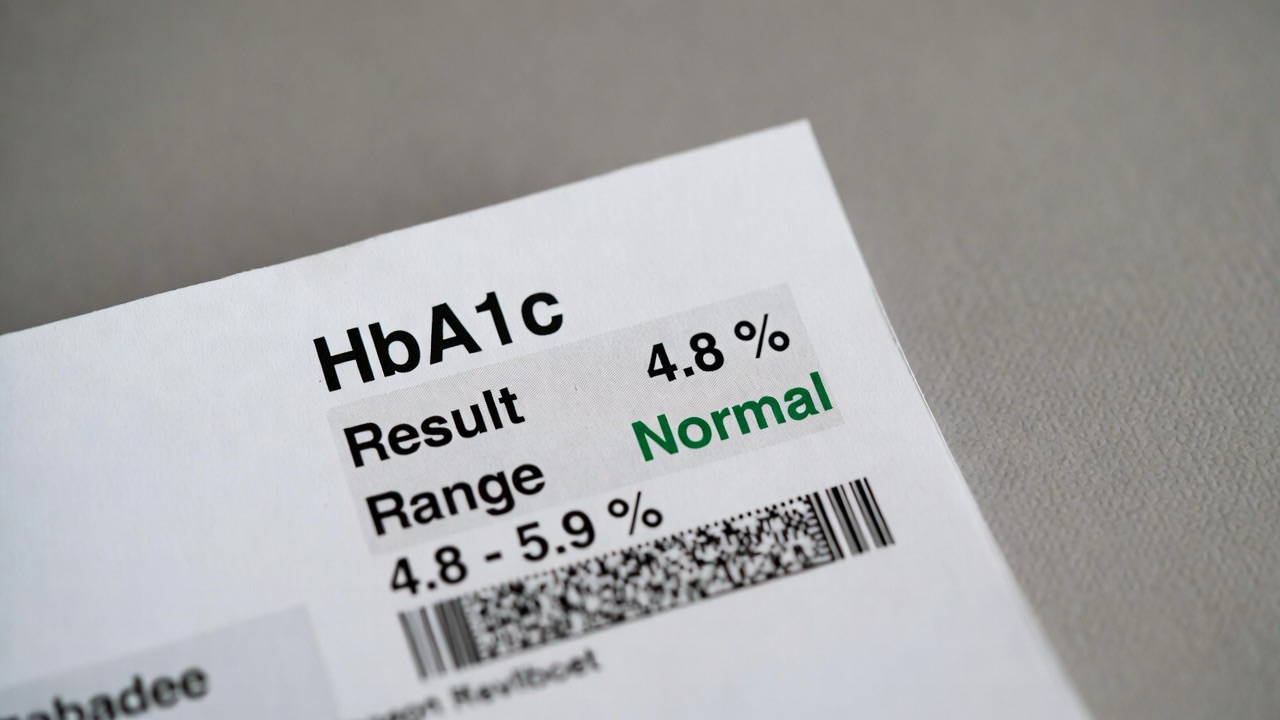
The HbA1c blood test reflects your average blood glucose level over the past 2–3 months. It does not measure daily sugar fluctuations, but shows your long-term glucose pattern. Higher blood glucose levels lead to more glucose attaching to hemoglobin, resulting in a higher HbA1c value.
Diabetes is not just a condition of high blood sugar. When blood sugar remains elevated over time, it quietly damages blood vessels and organs throughout the body — and the kidneys are among the most affected. Many people with diabetes develop kidney damage without realizing it. By the time symptoms appear, kidney function may already
Diabetes & Kidney Health: What Everyone Should KnowRead More »
The HbA1c blood test reflects your average blood glucose level over the past 2–3 months. It does not measure daily sugar fluctuations, but shows your long-term glucose pattern. Higher blood glucose levels lead to more glucose attaching to hemoglobin, resulting in a higher HbA1c value.