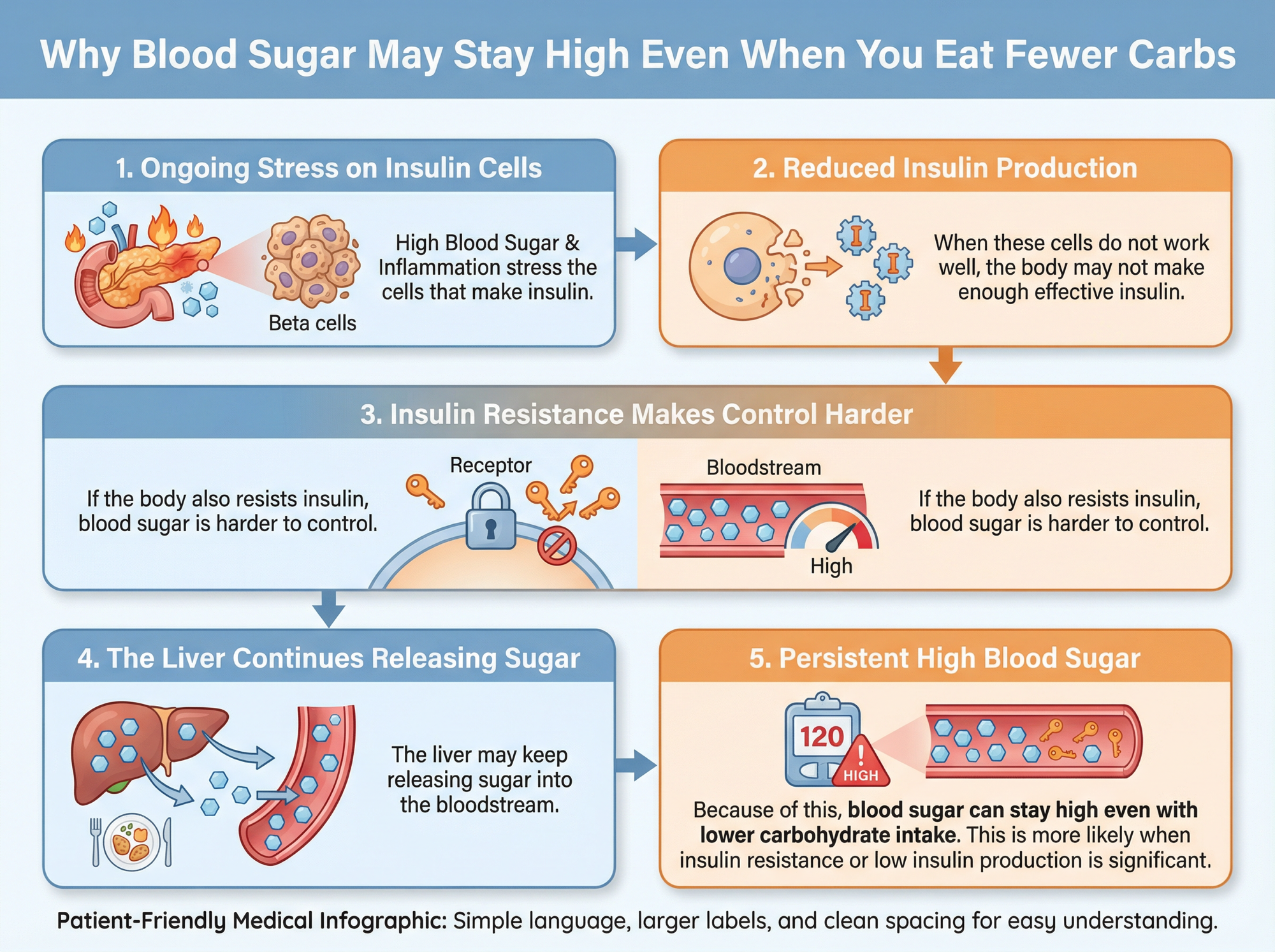

Whenever low-carb comes up, the first reaction people have is usually “so I have to starve myself?” If that’s your gut reaction too, chances are you’re starting off on the wrong foot. Low-carb was never about eating less — it’s about eating right. Get that part right, blood sugar stabilizes, insulin stops spiking all over […]

Category: Low Carb high fat diet
For years, “if you’re low on calcium, take a supplement” has been treated as common sense. But from a nutritional physiology standpoint, this view is oversimplified. Much like our earlier discussion on vitamin B12, the real issue with calcium isn’t how much we consume — it’s how well the body can actually use it.
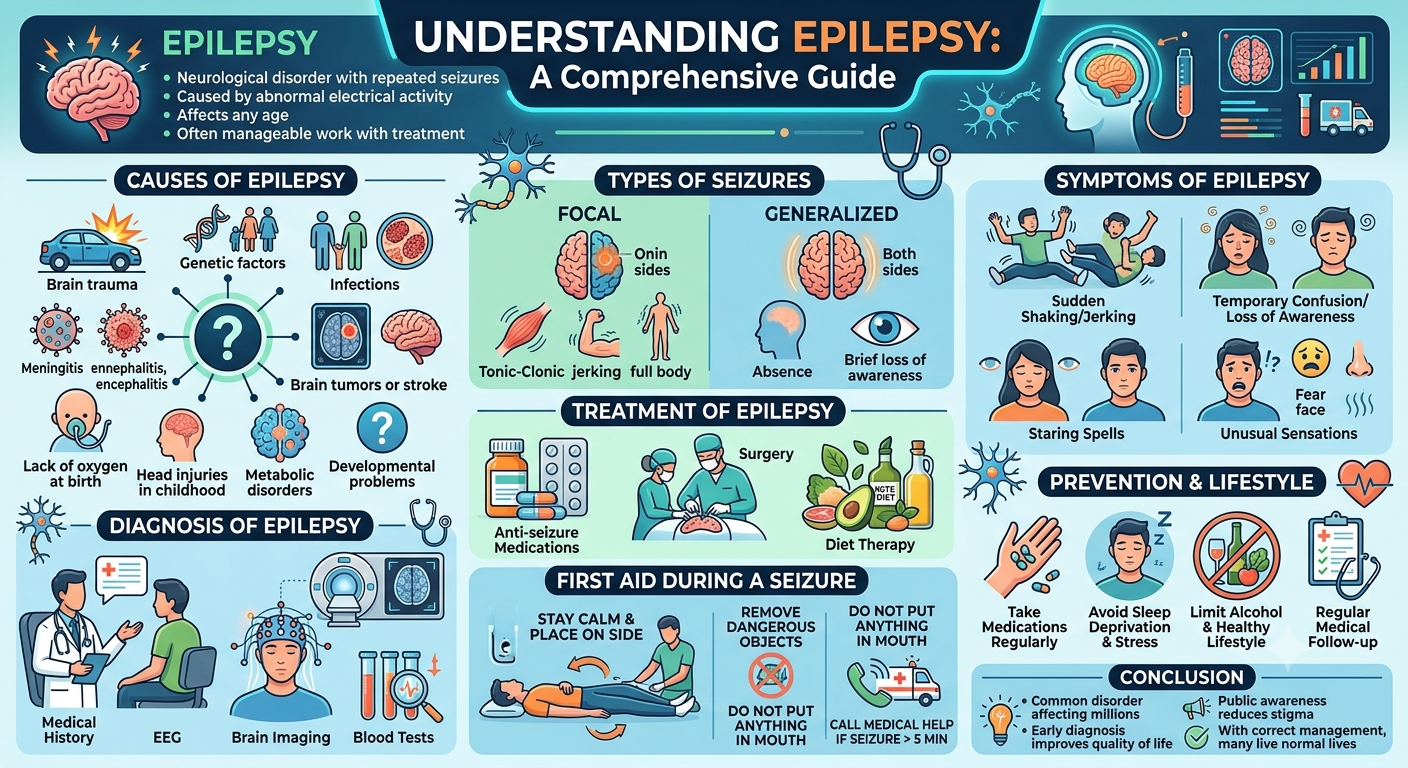
If you’ve ever seen someone have a seizure, you know how frightening it can look — for the person experiencing it and for everyone around them. But epilepsy, the condition behind most seizures, is far more common and far more manageable than most people realize.
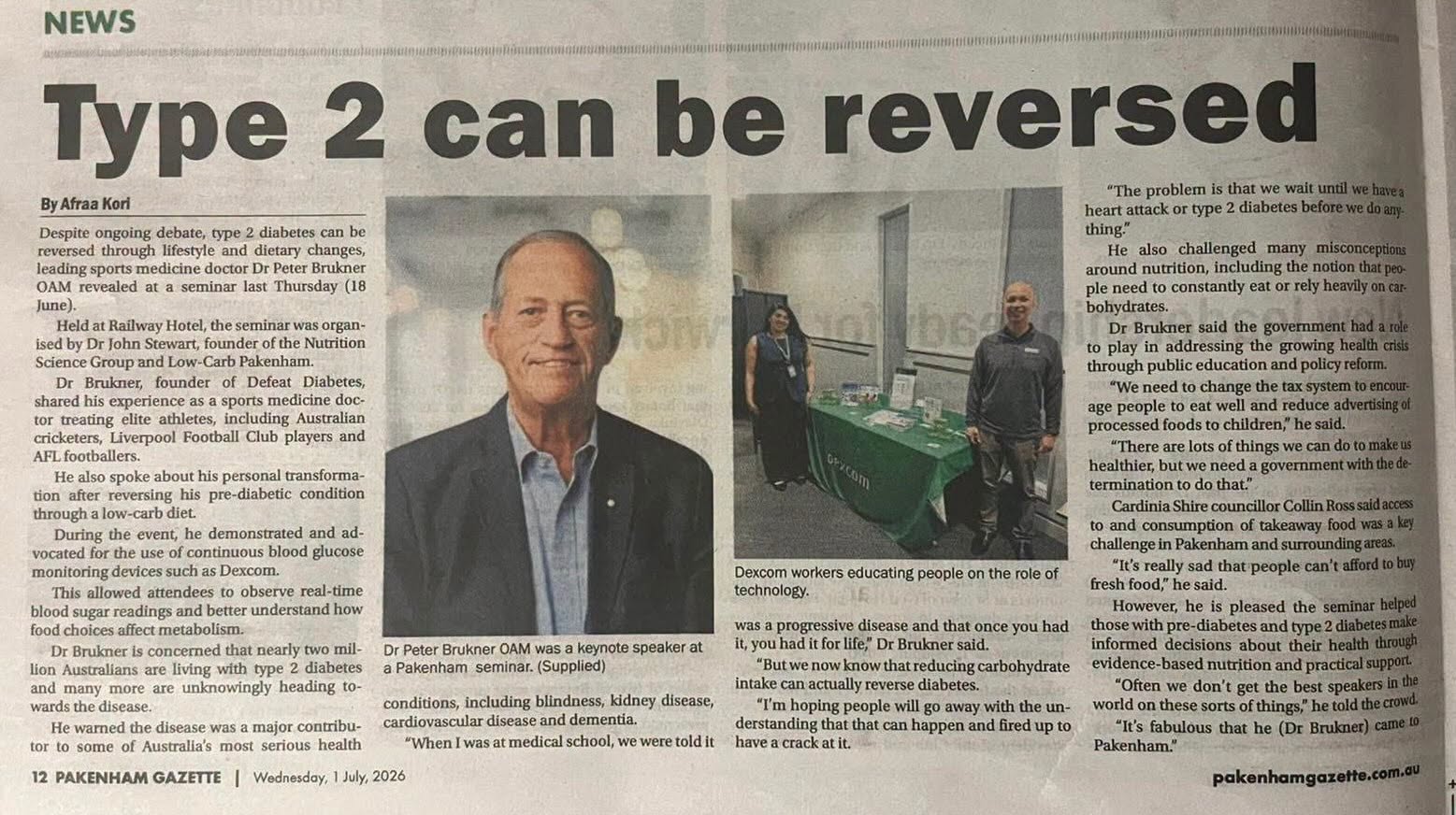
Dr. Peter Brukner emphasized at a seminar that type 2 diabetes can be reversed through lifestyle and dietary changes, particularly a low-carb diet. He shared personal experiences and called for government action to improve public health education. The seminar aimed to empower attendees with evidence-based nutrition strategies for diabetes management.
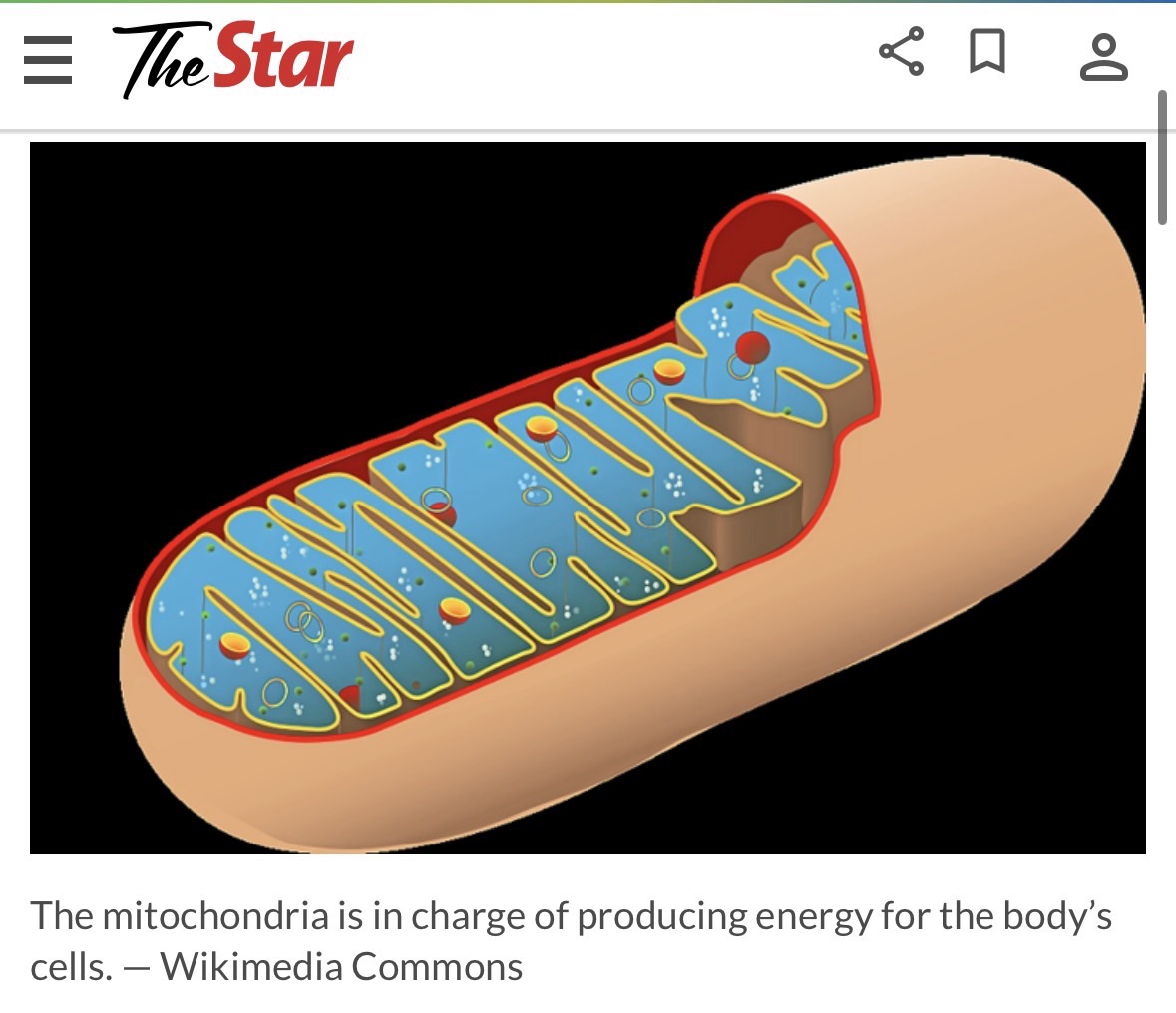
A study from the University of Cologne in Germany reveals that a common dietary amino acid, leucine, protects mitochondrial proteins, improving their performance.
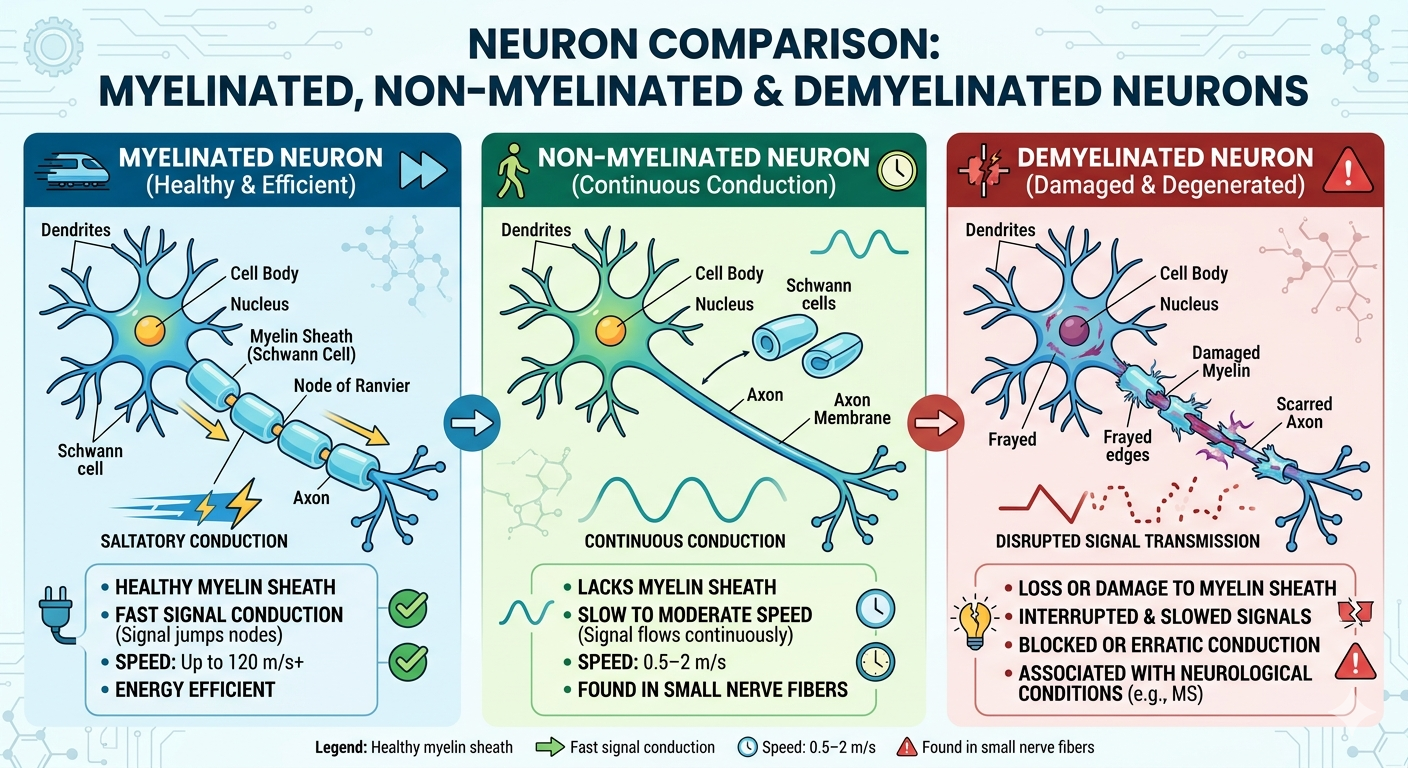
The human brain is the most cholesterol-rich organ in the body. A huge portion of that fat isn’t there for storage; it is actively working as a specialized, high-tech insulation system for your nervous system.
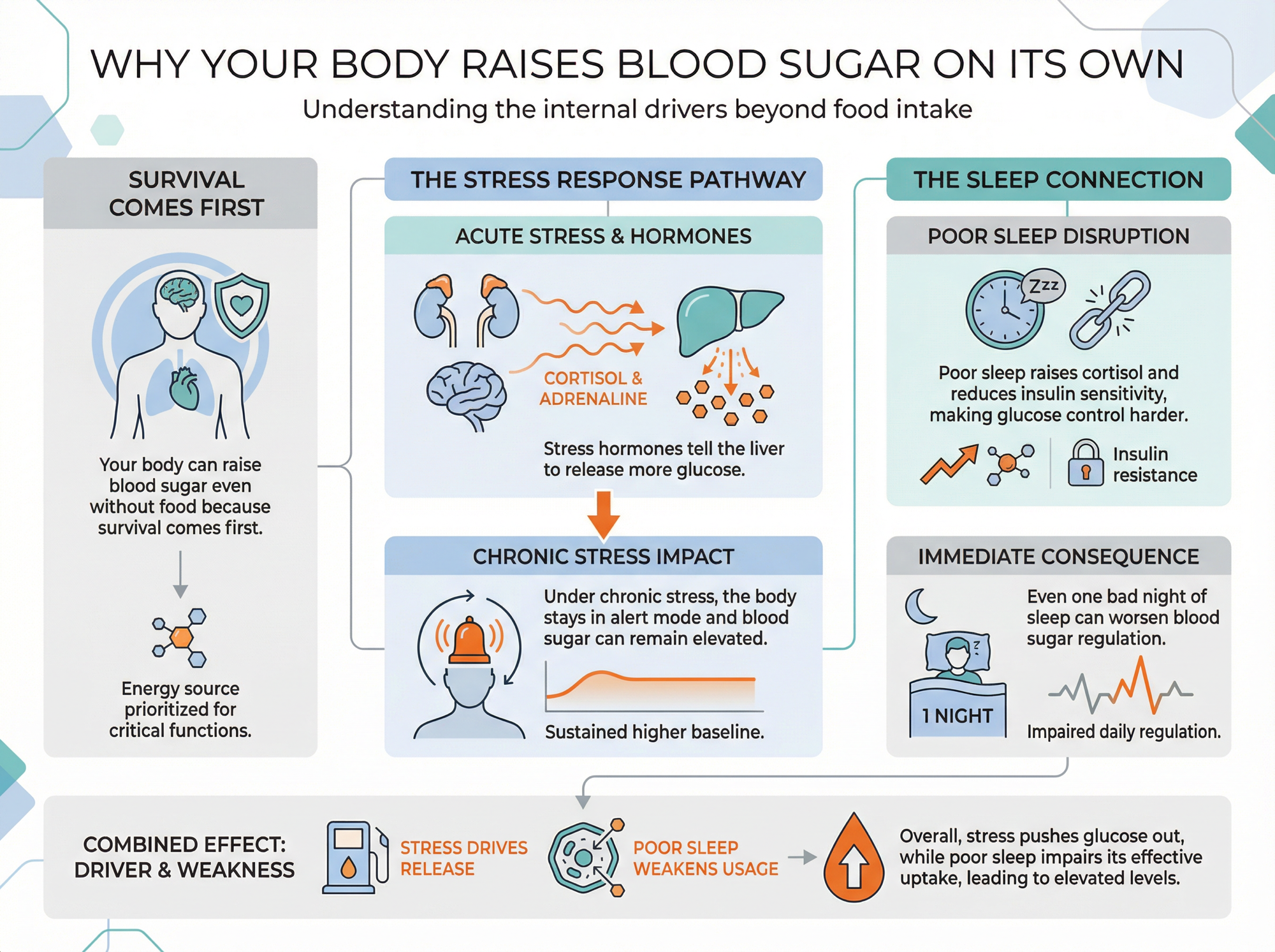
Chronic stress and hormonal imbalances play a significant role in high blood sugar, often overshadowing dietary changes. The pancreas, liver, gut, and hormones work together to regulate blood sugar, making it crucial to address stress and sleep for effective management.
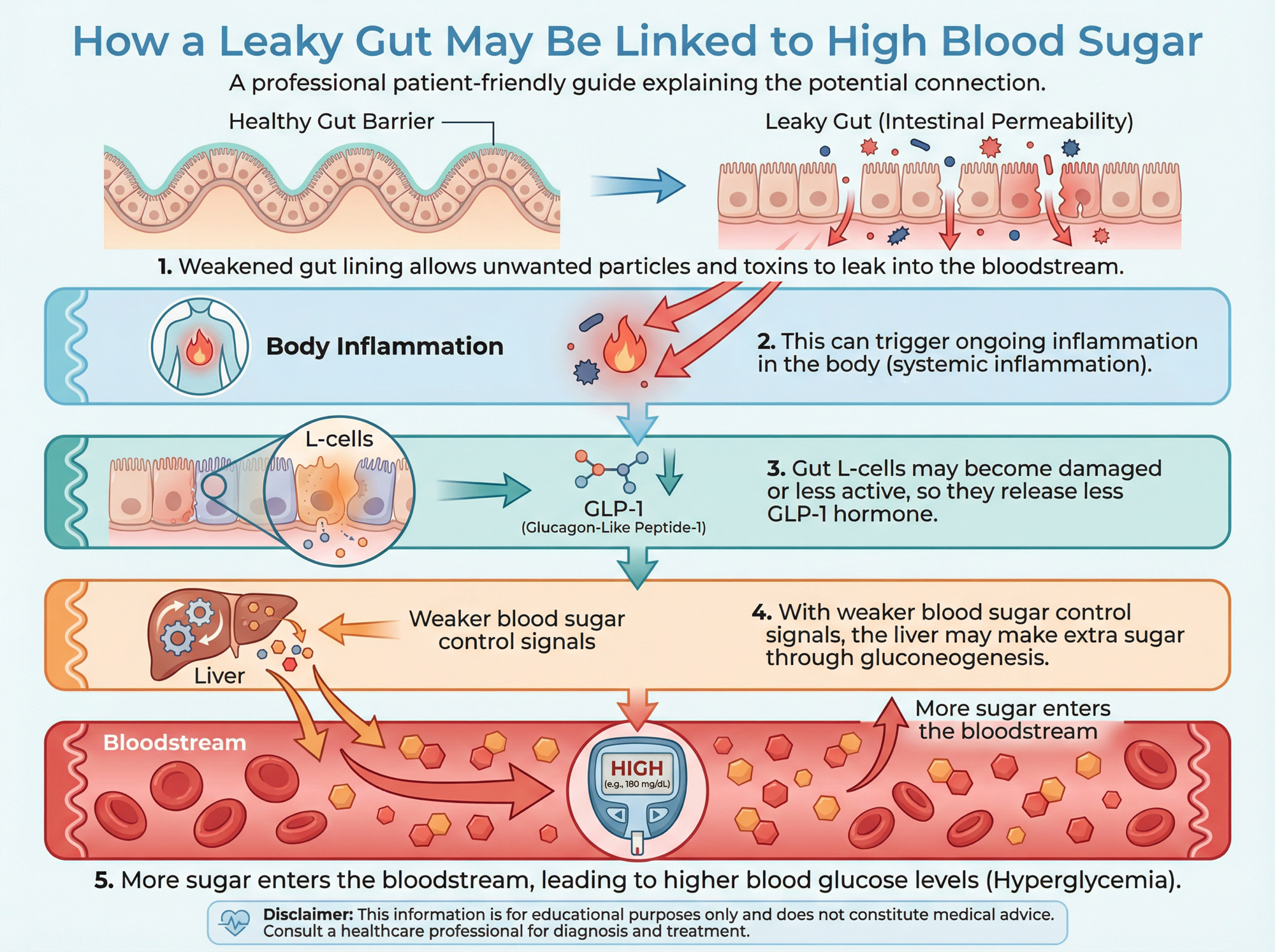
The gut is the overlooked powerhouse that bridges pancreas and liver, signaling inflammation and glucose production. When compromised, the system fails—low carb can help restore balance.
Unlocking the liver’s hidden signals could revolutionize our understanding of glucose control and metabolic health.
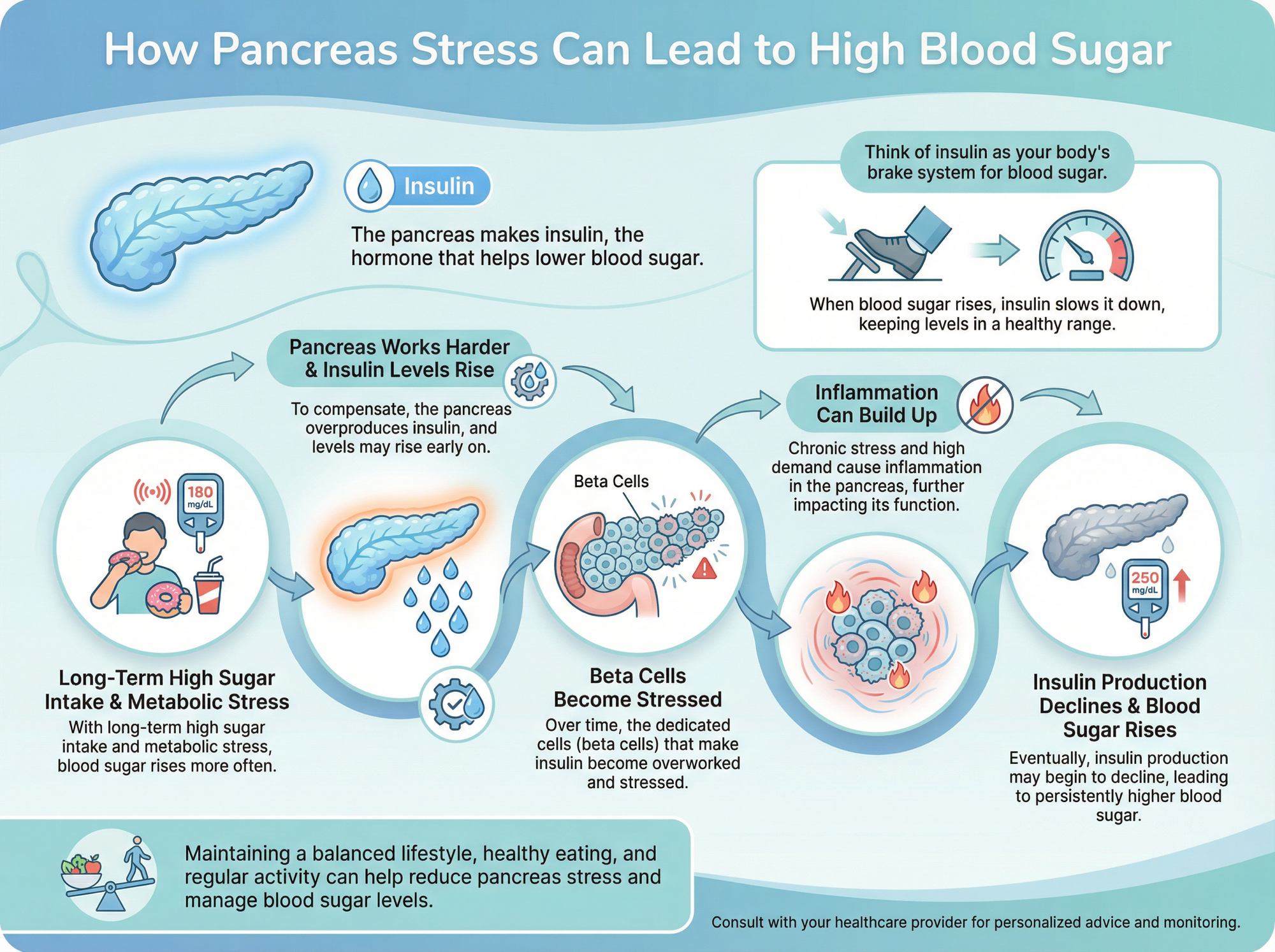
Discover how the pancreas, often the focus of blood sugar discussions, plays a more complex role than just producing insulin. Learn why a properly structured low-carb diet can reduce insulin demand and alleviate stress on this vital organ.