市面上代糖百百种,但不是每一种都好用。一个真正合格的代糖,应该做到两件事:味道像糖,用法也要跟糖一样简单。很多人自己在家烘焙时都遇过这种困扰——用了代糖,味道就是差了那么一点,或者还要计算复杂的换算比例,才能抓准甜度。

MD Keto Malaysia | #1 Shop for Keto, Low-Carb & Diabetic-Friendly Foods
市面上代糖百百种,但不是每一种都好用。一个真正合格的代糖,应该做到两件事:味道像糖,用法也要跟糖一样简单。很多人自己在家烘焙时都遇过这种困扰——用了代糖,味道就是差了那么一点,或者还要计算复杂的换算比例,才能抓准甜度。
Giving up sugar is challenging due to its association with special occasions, but effective sugar substitutes exist. Lakanto’s Natural Sweetener blends monk fruit with erythritol, providing a zero-calorie, low-carb option that tastes and measures like sugar. It’s ideal for keto and diabetic-friendly diets without sacrificing flavor.
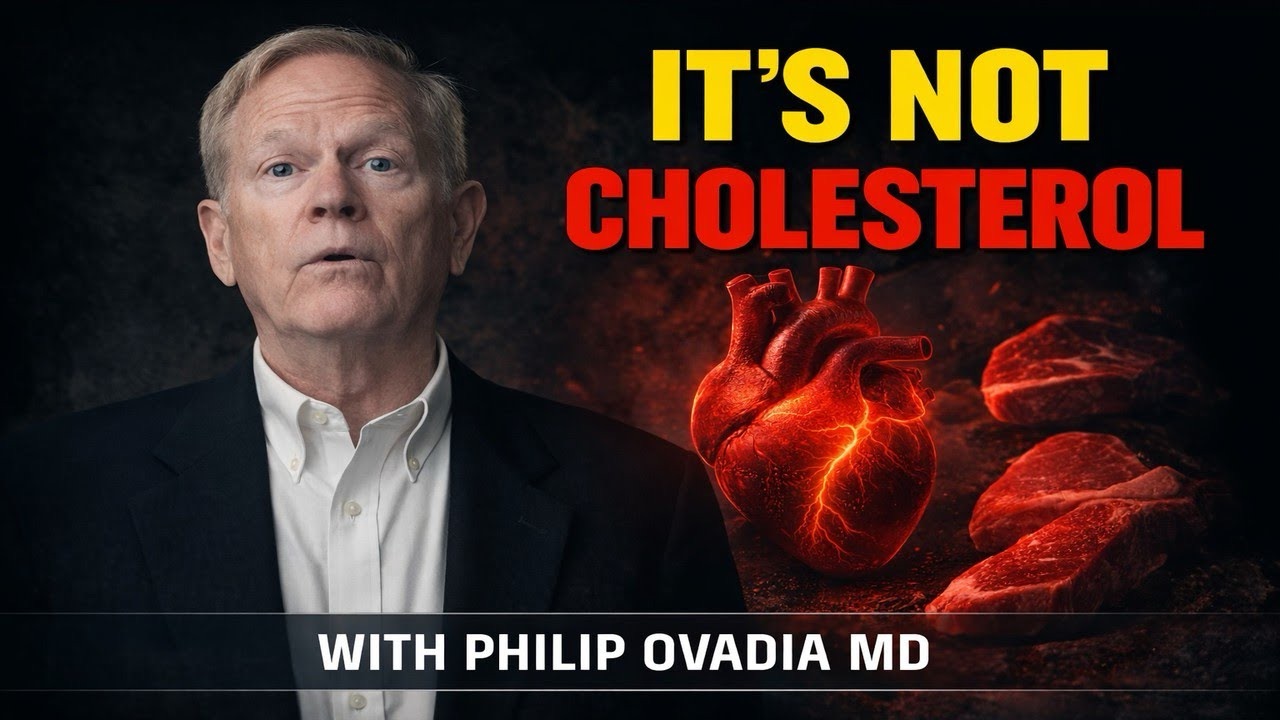
If a heart surgeon tells you he’s actively trying to write himself out of a career, it’s worth stopping to listen. In a deep-dive conversation on the Health Longevity Secrets Show, host Dr. Robert Lufkin sat down with board-certified cardiac surgeon Dr. Philip Ovadia to unpack a reality that most of traditional medicine overlooks: the
Why a Heart Surgeon Wants to Keep You Off His Operating Table (And Out of His Kitchen)Read More »
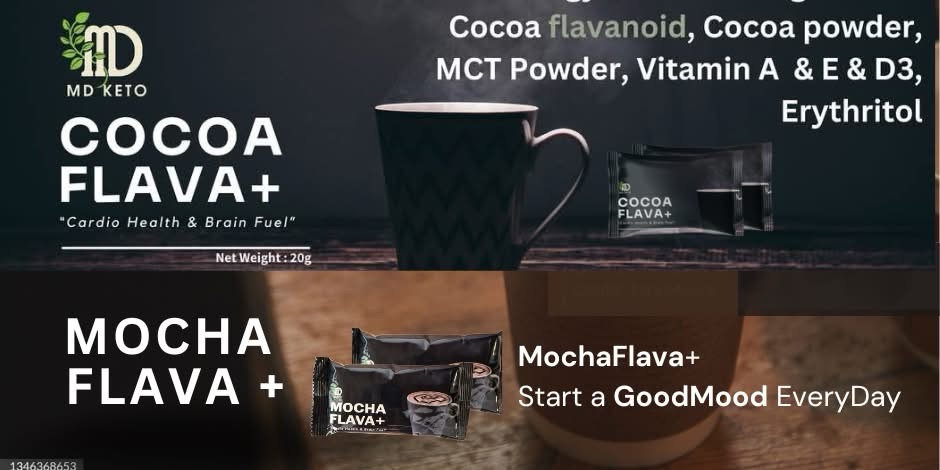
Introducing ‘Cocoa Flava+’ an invigorating drink designed to power up your day! Infused with essential nutrients, this delightful beverage is enriched with Vitamin D to uplift your mood and fortify bone and teeth health. With a boost of Vitamin A and E for enhanced immunity and sharper vision, ‘Cocoa Flava+’ is your go-to solution for a robust well-being. Bid farewell to Monday blues as you savor the smooth taste, and let the natural flavonoids within our blend gently relax your arteries. Elevate your energy, boost your mood, and embrace a healthier, happier you with ‘Cocoa Flava+’!Ingedient : Cocoa powder , Cocoa flavanol, Vitamin D, MCT, Vitamin A & E Benefit Flavanols are natural compounds found in foods like fruits, vegetables, teas, and cocoa. They’re like tiny superheroes in your body, fighting off harmful molecules called free radicals. By doing this, they help keep your heart healthy, your brain sharp, and
Whenever low-carb comes up, the first reaction people have is usually “so I have to starve myself?” If that’s your gut reaction too, chances are you’re starting off on the wrong foot. Low-carb was never about eating less — it’s about eating right. Get that part right, blood sugar stabilizes, insulin stops spiking all over
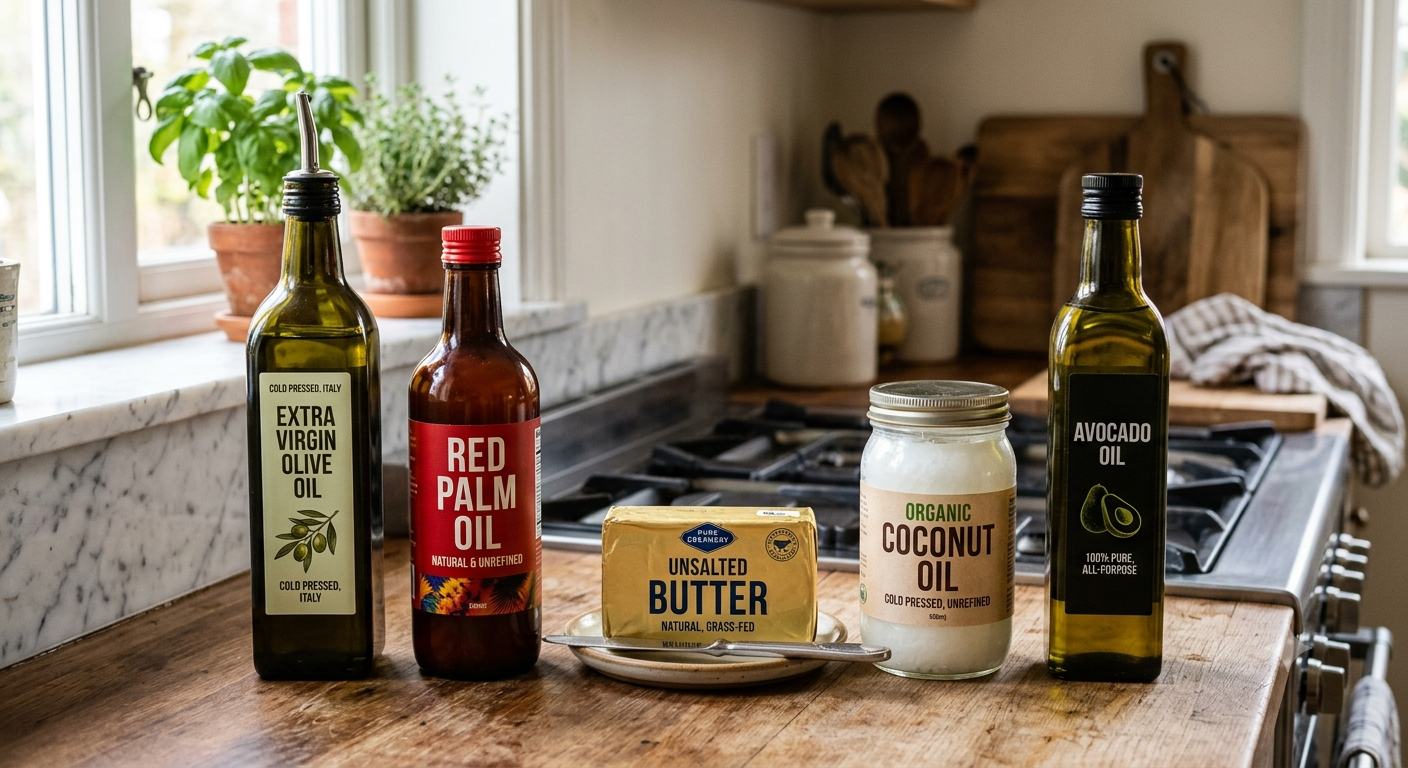
Antioxidants in cooking oils are a topic of much debate, but the truth is that they’re not just for you. They’re there to protect the oil from breaking down and becoming rancid, which can affect the flavor and texture of your food. So next time you’re at the grocery store, look for oils that are as well-protected as possible to get the most out of your cooking.
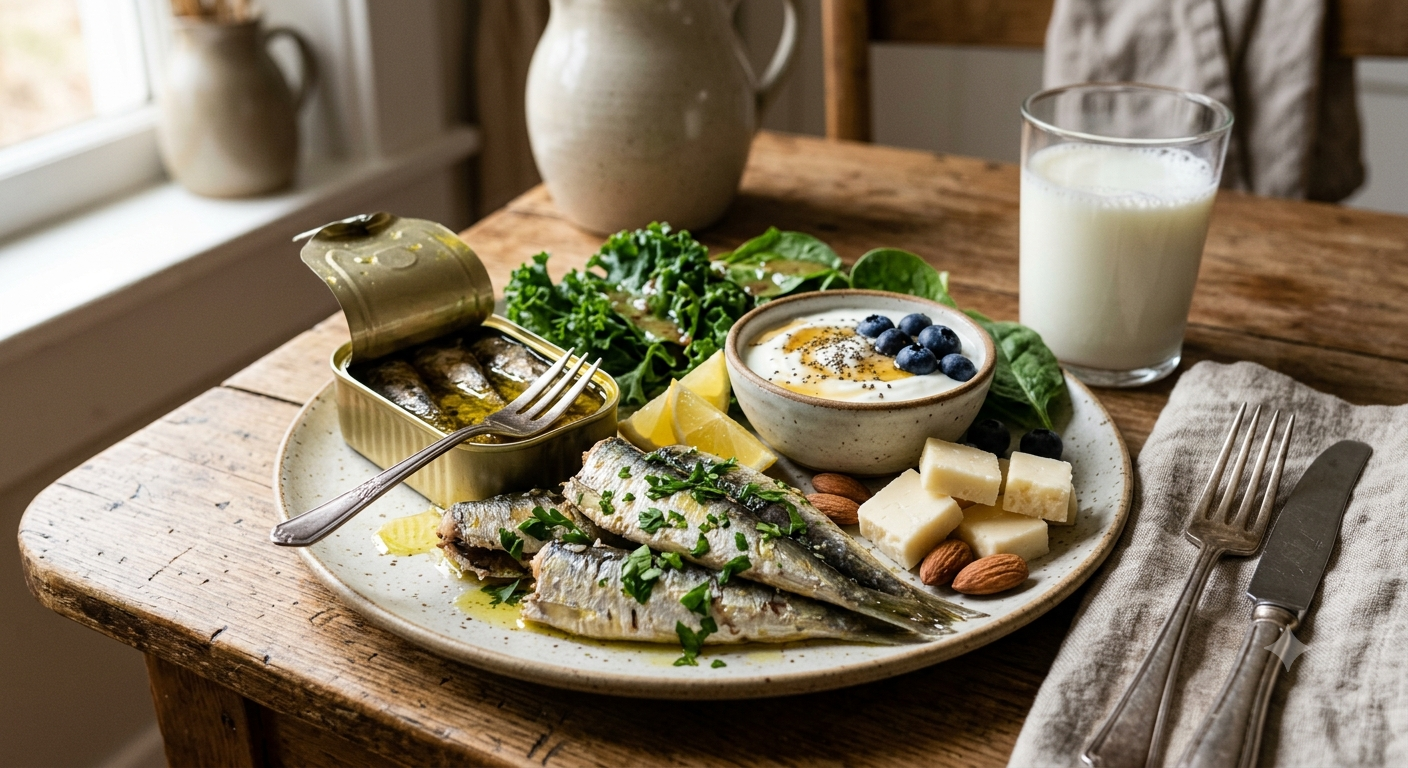
For years, “if you’re low on calcium, take a supplement” has been treated as common sense. But from a nutritional physiology standpoint, this view is oversimplified. Much like our earlier discussion on vitamin B12, the real issue with calcium isn’t how much we consume — it’s how well the body can actually use it.
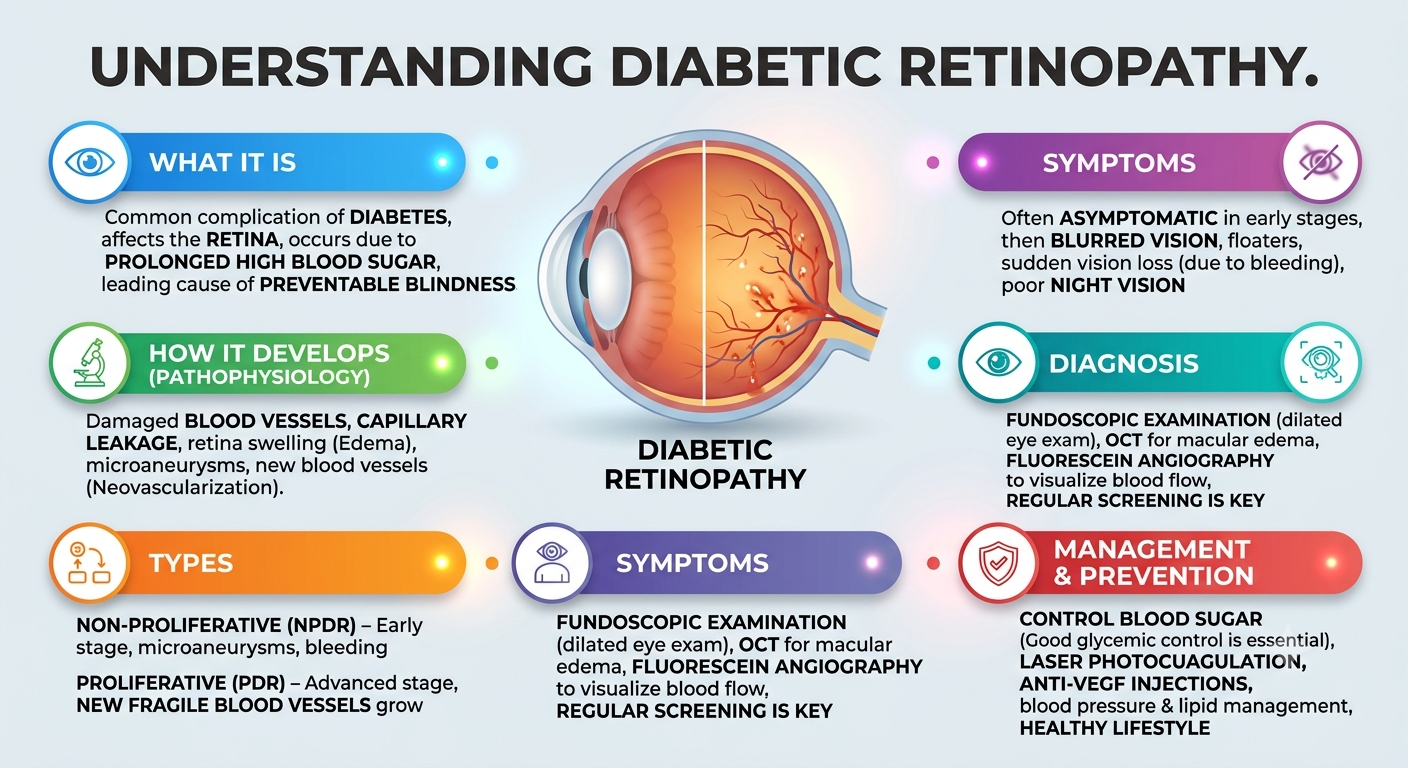
If you or someone you love has diabetes, there’s a health issue that doesn’t get talked about nearly enough — and that’s a shame, because it’s one of the leading causes of preventable blindness in the world. It’s called diabetic retinopathy, and the scary part is that it can be quietly damaging your vision for
Diabetic Retinopathy: The Silent Threat to Your EyesightRead More »
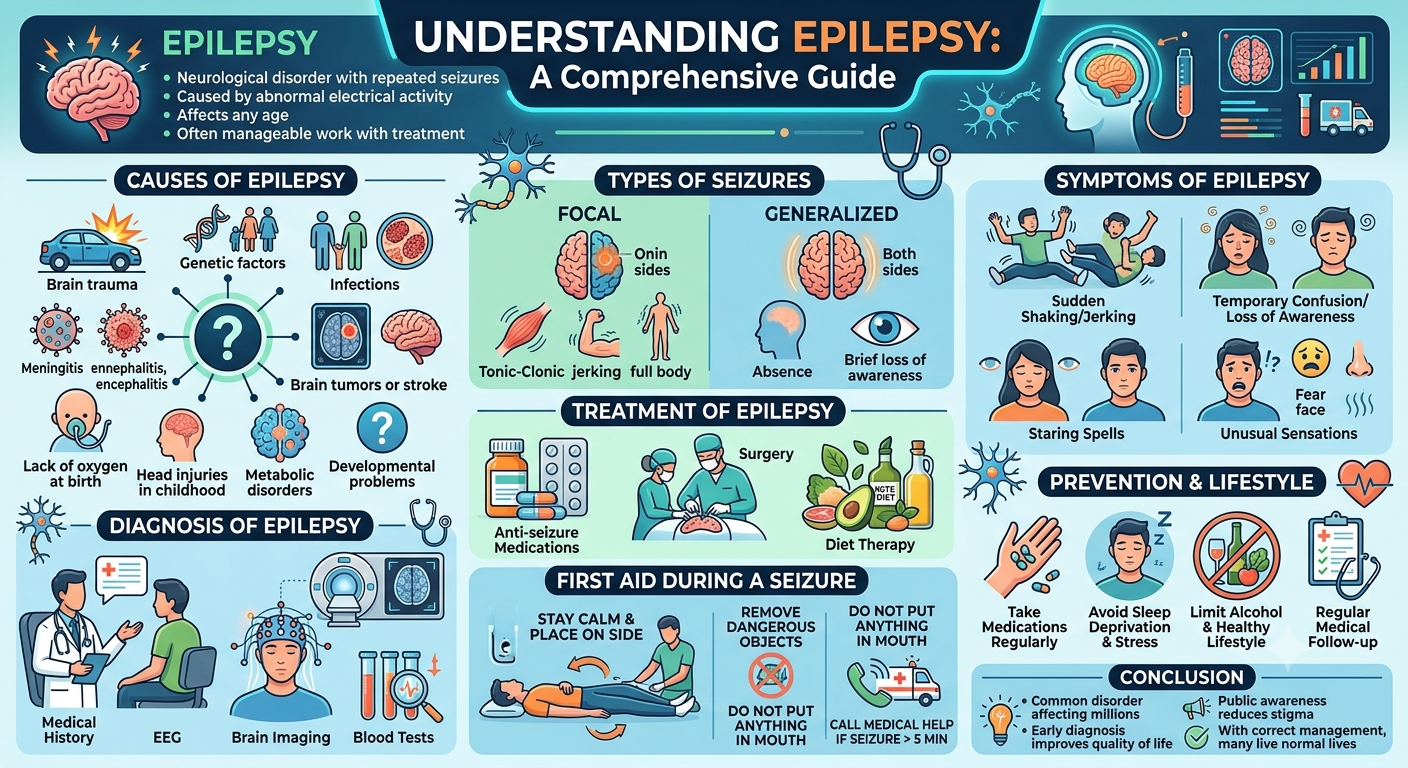
If you’ve ever seen someone have a seizure, you know how frightening it can look — for the person experiencing it and for everyone around them. But epilepsy, the condition behind most seizures, is far more common and far more manageable than most people realize.
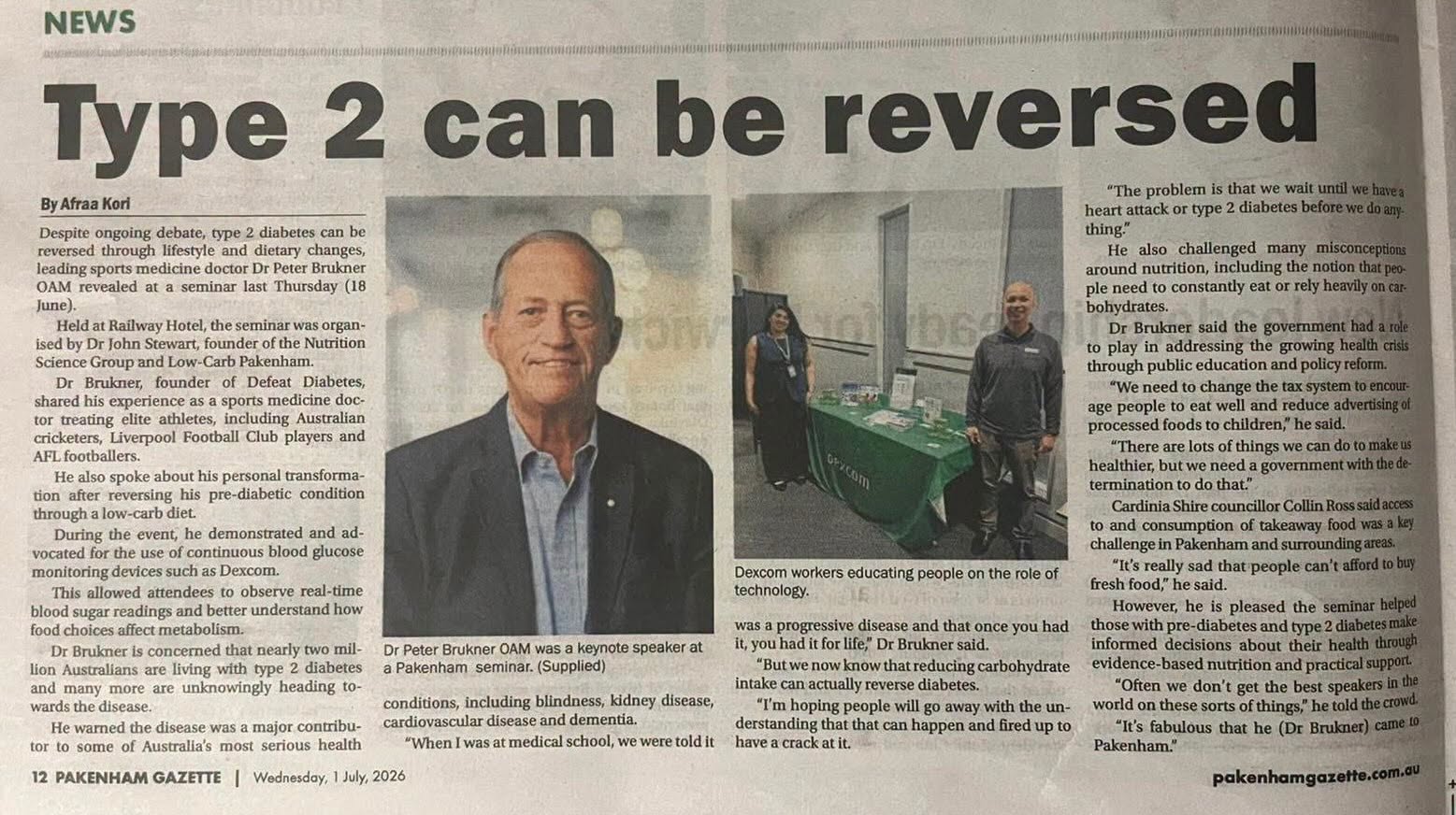
Dr. Peter Brukner emphasized at a seminar that type 2 diabetes can be reversed through lifestyle and dietary changes, particularly a low-carb diet. He shared personal experiences and called for government action to improve public health education. The seminar aimed to empower attendees with evidence-based nutrition strategies for diabetes management.