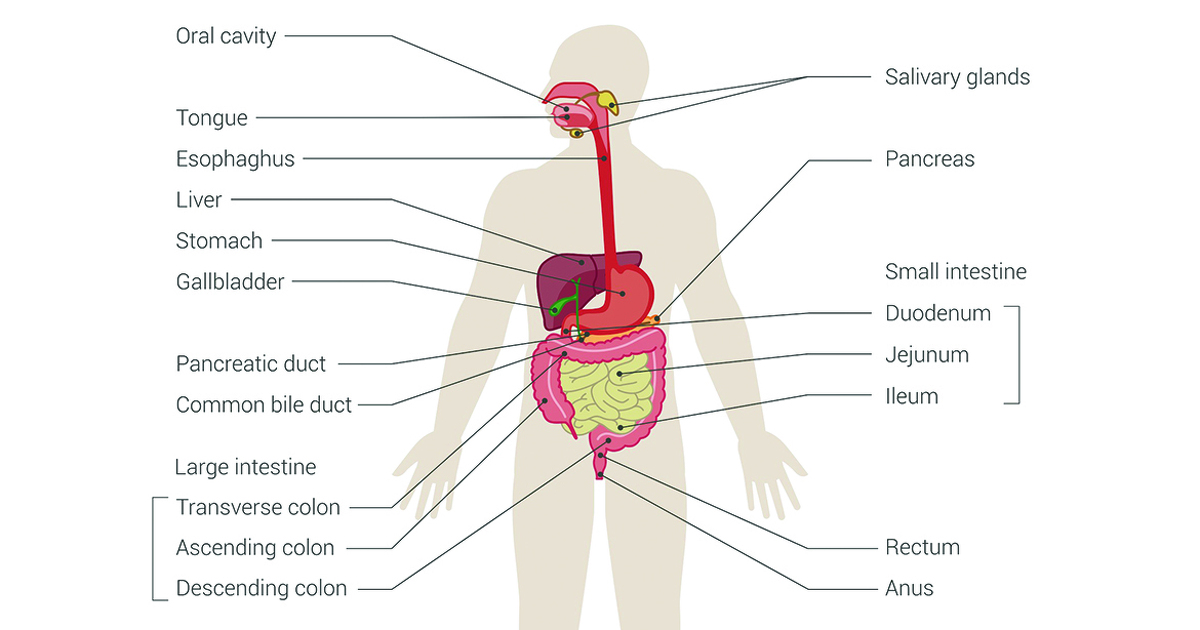
For years, people thought the gut was mainly a digestive tube—break down food, absorb nutrients, move on. Modern science paints a very different picture. Your gut is an active metabolic engine, rich with microbes, chemical messengers, immune cells, and electrical signaling. It controls far more than digestion. It influences your brain, your hormones, your inflammation […]

Have you ever wondered how your body keeps everything running smoothly — your temperature, heart rate, and even blood sugar — without you even thinking about it? That’s the power of homeostasis. It’s your body’s built-in system for maintaining internal balance and stability, no matter what’s happening outside. Every cell, tissue, and organ in your

🧠 Homeostasis — The Body’s Inner BalanceRead More »

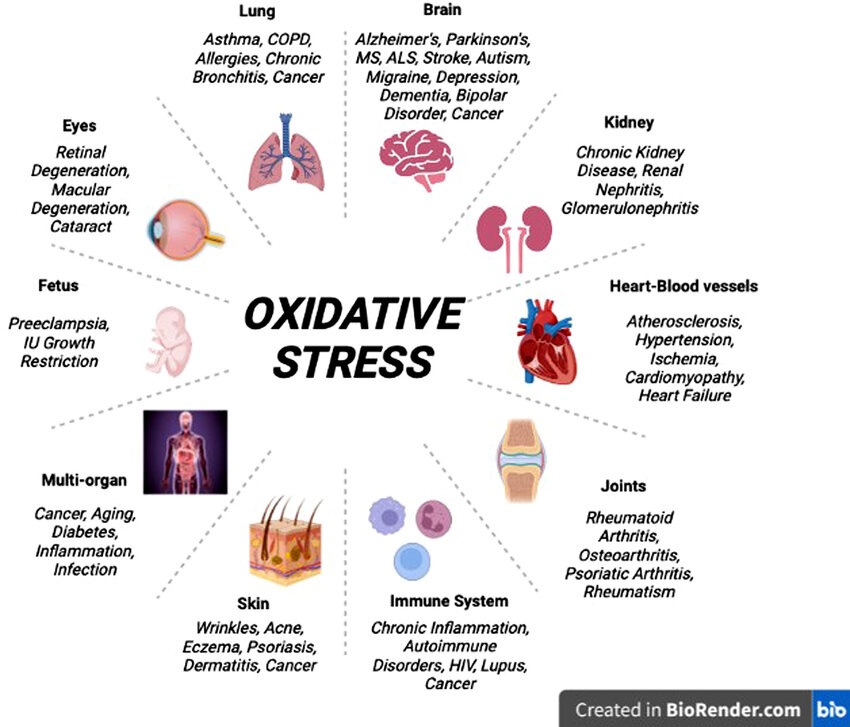
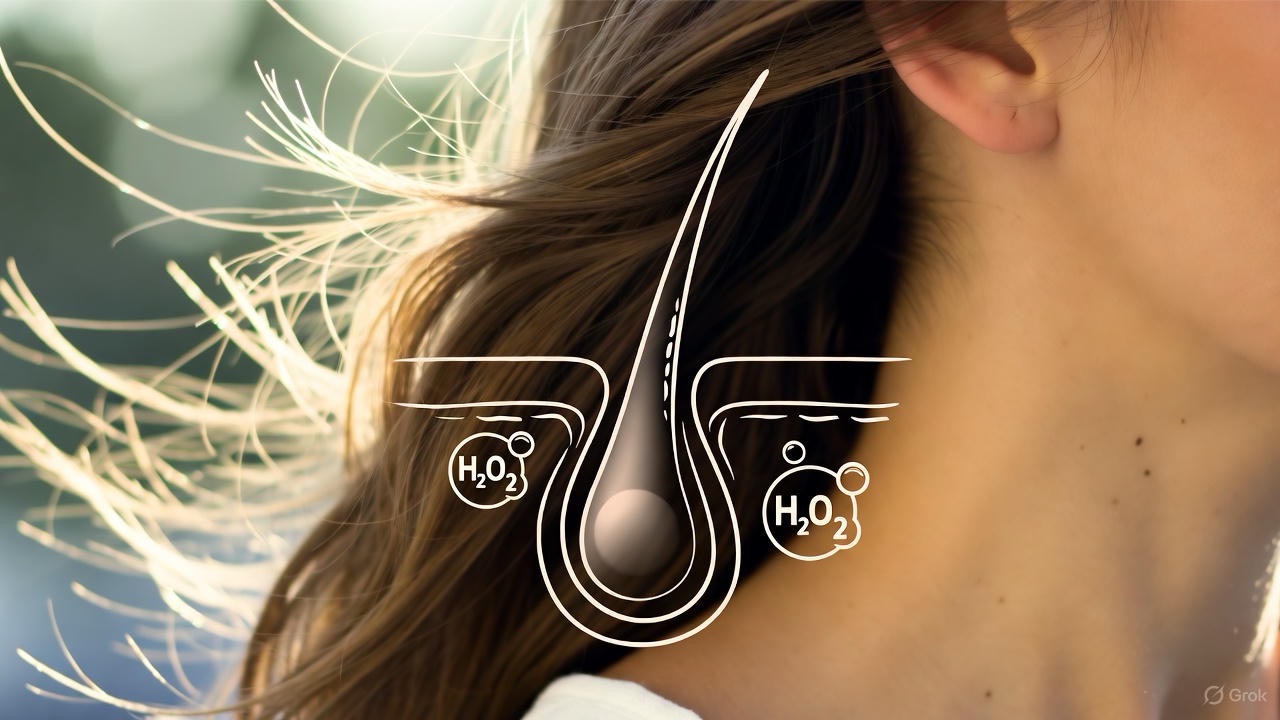
Gray hair is more than a calendar entry — it’s a story your cells are telling. Here’s the science behind the fade, practical factors that speed it up, and why some changes (and hope) exist for reversing or slowing the process. Introduction — more than “just aging” We all know the moment: you spot a

Why Hair Turns Gray — And How Oxidative Stress and Nutrition Can Help You Restore It NaturallyRead More »

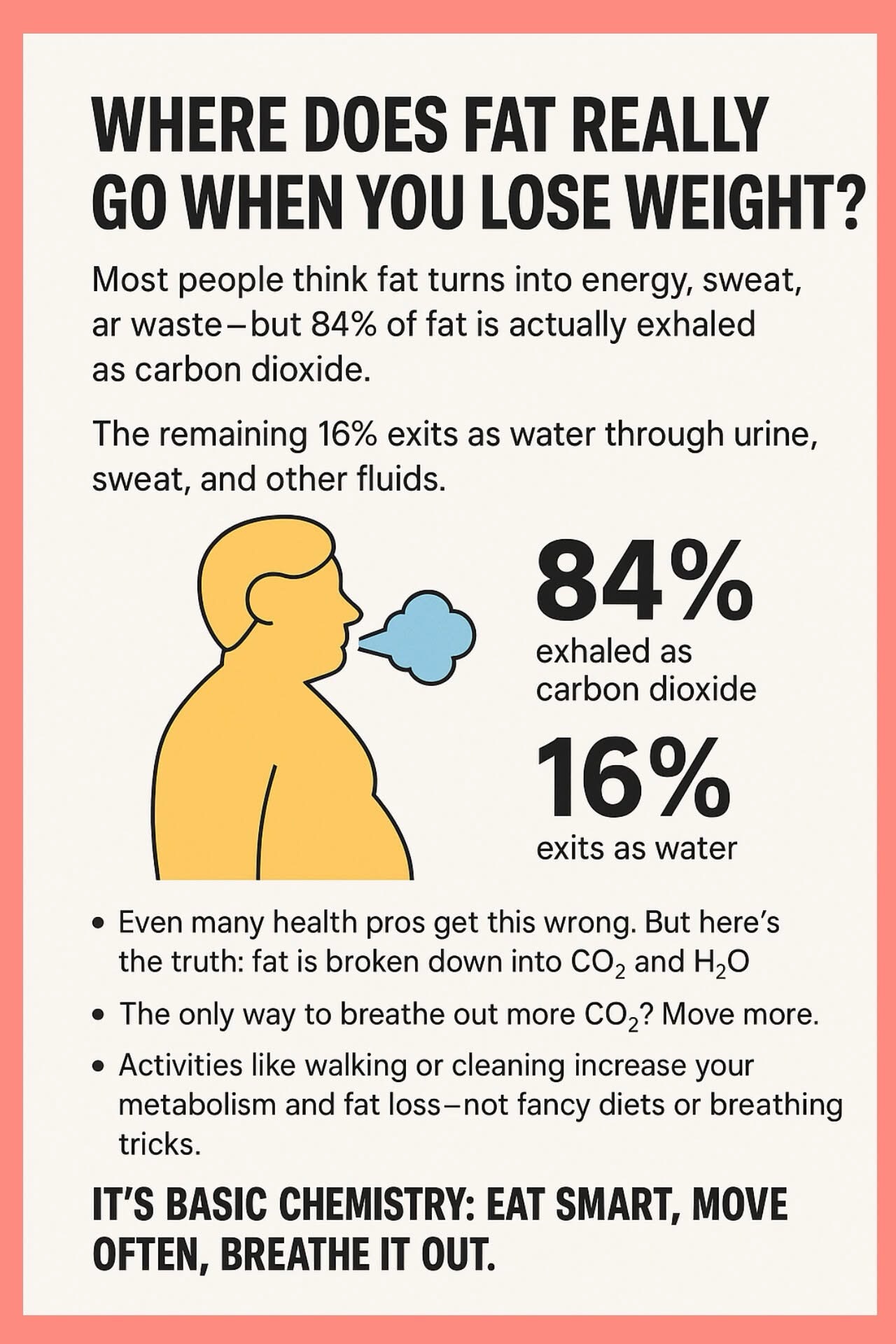
When people say they want to “burn fat,” most imagine that fat somehow melts away, turns into energy, or disappears in sweat. But the truth is far more fascinating — and surprisingly scientific. Let’s break down exactly what happens to body fat when you lose weight, based on evidence from the Cleveland Clinic, BMJ, and

🌬️ Where Does Body Fat Go When You Lose Weight?Read More »

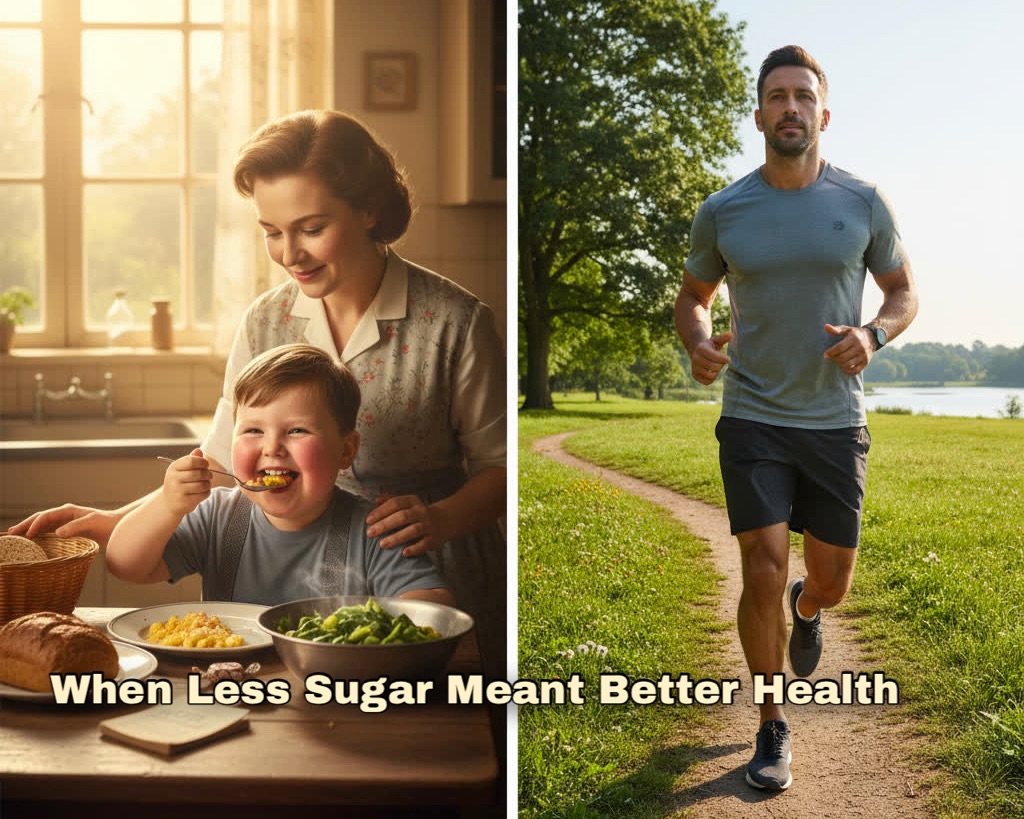
— The Forgotten Lesson from Britain’s “Sugar-Free Decade” During World War II, sugar was no longer a luxury — it became a rarity. Between 1942 and 1953, British citizens were limited to about 8 ounces (roughly 225 grams) of sugar per week. This meant no soft drinks, limited desserts, and rare sweets. Entire generations grew

🧁 When Less Sugar Meant Better Health: What the UK’s Wartime Rationing RevealedRead More »

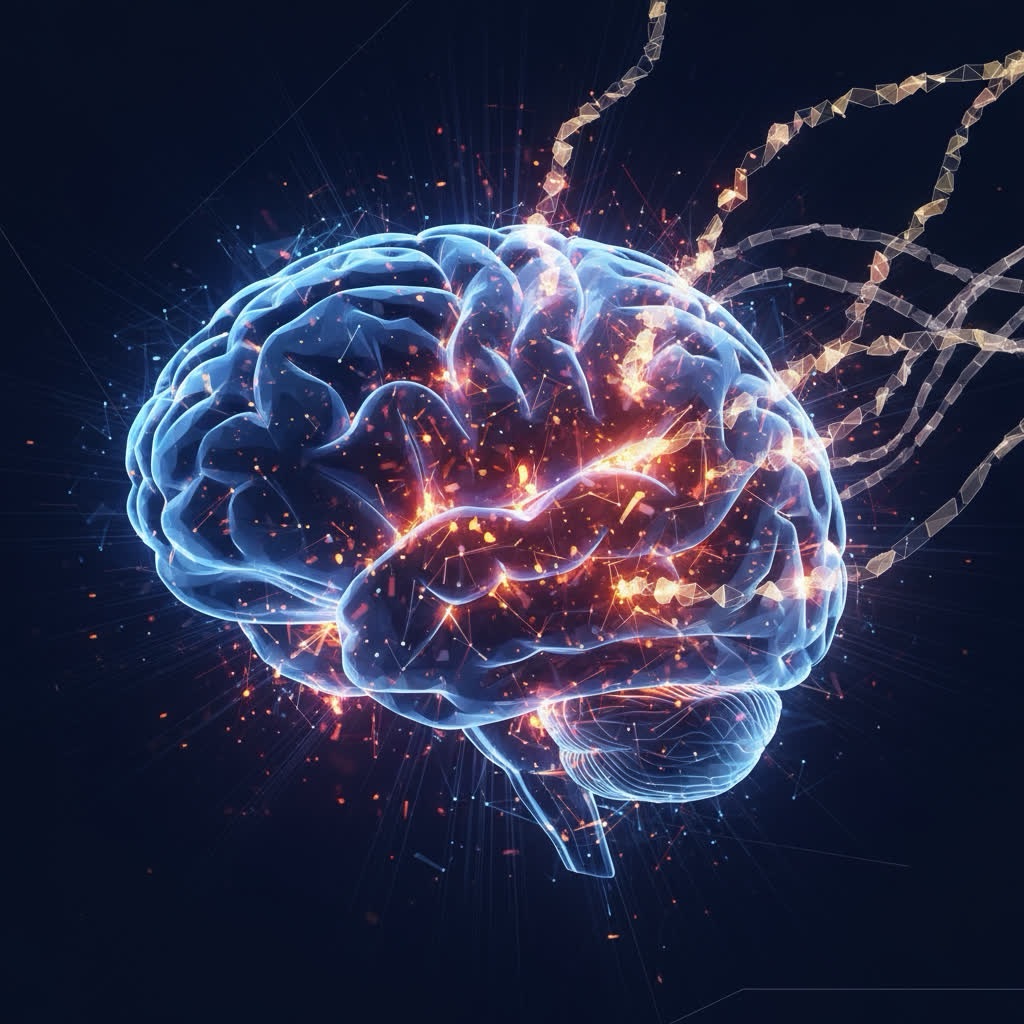
How recent research reveals triglycerides and ketones as important brain fuels — and why low-carb/ketogenic strategies may help protect the brain. Most of us were taught that the brain runs almost entirely on glucose. Glucose is fast, familiar, and critical — but recent studies show the brain is more flexible than textbooks imply. Under certain

Brain Power Beyond Sugar: Why Fat — Not Just Glucose — Matters for Memory and Brain HealthRead More »

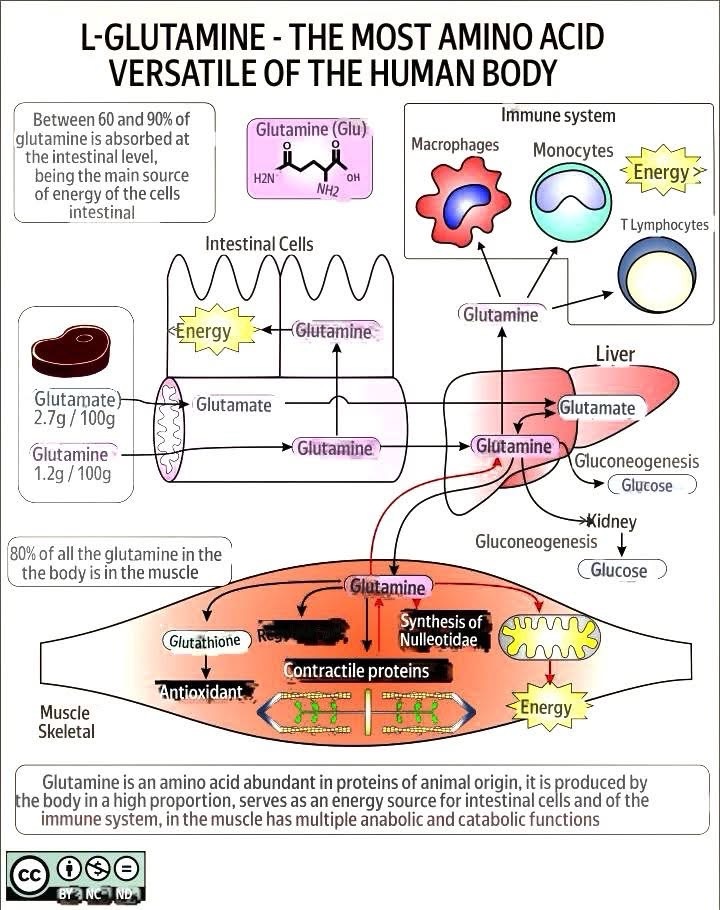
When people talk about health and nutrition, the spotlight usually falls on vitamins, superfoods, or the latest trendy supplements. But there’s a quiet hero that rarely gets enough credit: glutamine. It’s one of the essential amino acids your body depends on, and you’ll find it abundantly in foods many of us were taught to avoid—like

🥩 Why Meat, Eggs, and Glutamine Matter More Than You ThinkRead More »

In the clinical presentation of anxiety disorders, there is a particular pattern that can be especially challenging to address.Patients often lack awareness of their own symptoms, deny being anxious, and resist any attempt to change. They may insist that the problem lies in other people’s misunderstanding of them, rather than in their own condition. At

Why Do Some Anxiety Patients Deny Their Anxiety and Rely on Others’ Comfort?Read More »