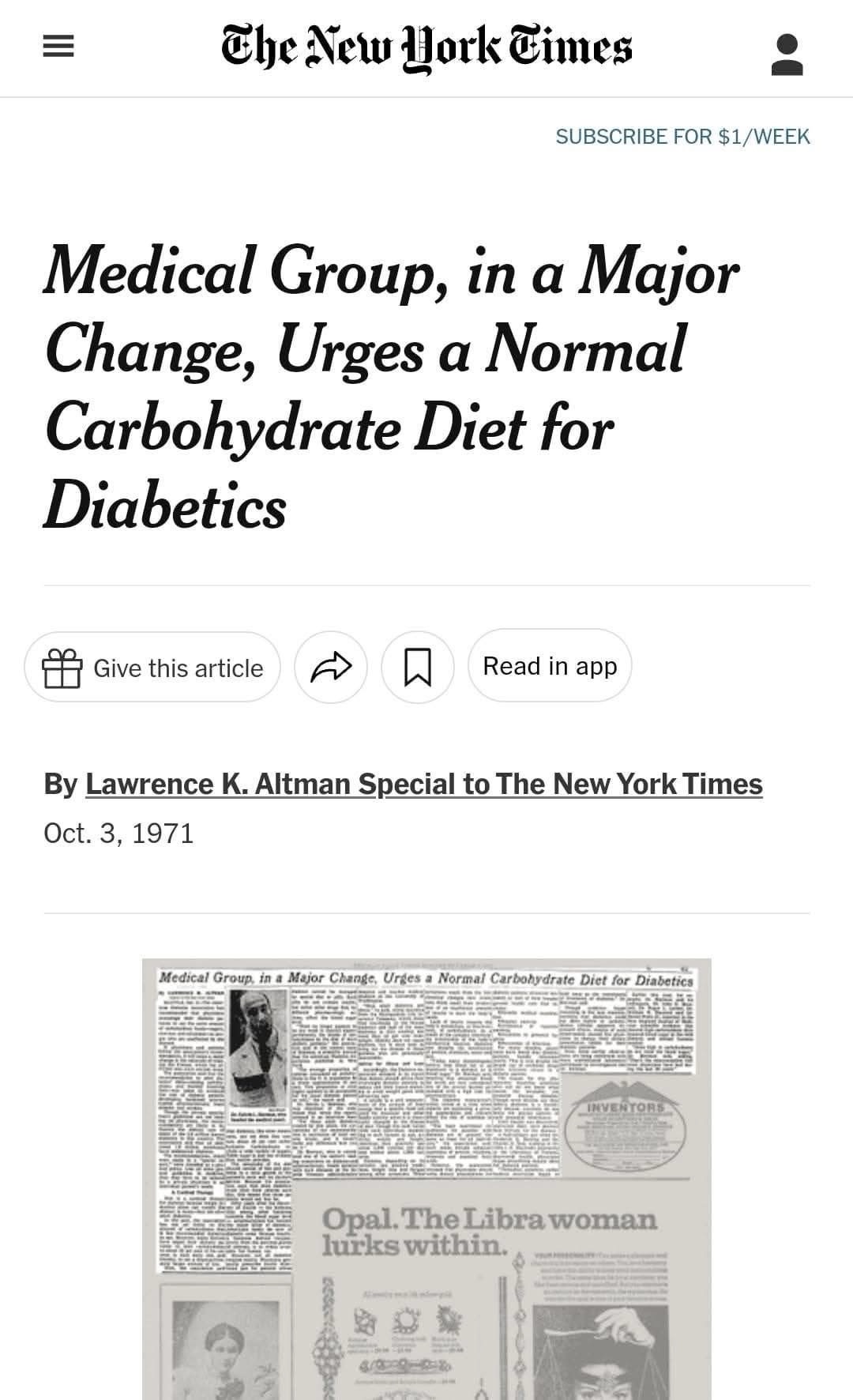
In the history of promoting low-carb high-fat (LCHF) nutrition, a small group of scientists, doctors, and communicators dared to challenge the dominant dietary orthodoxy — the belief that saturated fat is harmful, cholesterol is dangerous, and carbohydrates are essential at high levels. Their work, based on science, clinical results, and human evolution, directly confronted decades […]

Salt is far more than just a seasoning on our dinner table. Throughout history, salt has shaped economies, driven wars, preserved food, and sustained life itself. Today, modern health discussions often demonize salt, yet without it — and the essential minerals that come with it — life would not be possible. In this article, we’ll

The Importance of Salt and Minerals for Human HealthRead More »

(An in-depth exploration of why our bodies are designed to thrive on fat) For most of human history—spanning 2.5 million years—our ancestors lived as hunter-gatherers. Carbohydrate-rich foods like grains, rice, and refined sugar are extremely recent additions, appearing only in the last 10,000 years with agriculture, and ultra-processed foods only in the last 100 years.

Human Biology: Engineered for Low-Carb, High-Fat LivingRead More »

For the vast majority of human history — stretching back nearly 2.5 million years — our ancestors lived primarily as hunter-gatherers1. This wasn’t a casual lifestyle choice; it was a survival strategy shaped by harsh climates, shifting ecosystems, and the demands of the human body. Meat, fish, nuts, seeds, and seasonal plants made up the

The Untold History of the Human Diet — From Hunter-Gatherers to High-Carb NationRead More »

When it comes to diabetes management, some academic papers remain cautious, waiting for “more evidence” before recommending specific dietary interventions. For example, a recent review on glycemic variability (GV) suggested that while fluctuations in blood sugar may contribute to complications, the exact role of GV is still unclear, and therefore more long-term studies are needed.

Why Low-GI and Low-Carb, High-Fat Diets Can Dramatically Improve Diabetes – A Science-Based RebuttalRead More »

NAFLD (Non-Alcoholic Fatty Liver Disease) is a silent but dangerous epidemic, affecting nearly 1 in 3 adults worldwide — including those who never drink alcohol. The disease is mainly driven by: But the hopeful truth is: NAFLD is often reversible, especially through nutrition. One of the most powerful interventions is a low-carb, high-fat (LCHF) diet

Understanding Non-Alcoholic Fatty Liver Disease (NAFLD): How Sugar, Fructose, Omega-6, and Carbs Damage Your Liver — And How a Low-Carb Diet Can HelpRead More »

📊 Overview: Why This Report Matters The National Diabetes Registry (NDR) 2023, published by the Ministry of Health Malaysia, offers a sobering look at the state of type 2 diabetes in our country. With over 1.95 million Malaysians enrolled and only about one-third achieving safe blood sugar targets, this is a clear signal: what we’re

National Diabetes Registry 2023: A Wake-Up Call for MalaysiaRead More »

Fructose is everywhere. From soft drinks and packaged snacks to salad dressings and energy bars, this simple sugar hides in plain sight. It may come from natural sources like fruit and honey, but in modern diets, most fructose comes from processed ingredients like high-fructose corn syrup (HFCS). While fructose might seem innocent—after all, it’s “just

Fructose: The Sweet Deception – What Science Really Says About How Your Body Handles ItRead More »

In July 2025, ScienceDaily published an article based on a study by the University of Colorado Boulder, claiming that the popular sugar substitute erythritol may “damage the brain’s protective blood vessels and increase stroke risk.” This claim quickly stirred public concern, with some people fearing erythritol is a “silent killer.” But should we really worry?

Does Erythritol Really Harm the Brain and Cause Stroke? — A Critical Rebuttal of the 2025 StudyRead More »

Few debates in modern nutrition science are as heated as this: is calorie restriction (CR) or carbohydrate restriction (LCHF) more effective for improving health and extending lifespan? The original article thoughtfully reviewed the evidence and concluded, quite cautiously, that both approaches have merits and limitations. But if we take a broader, more critical perspective, there

Calorie Restriction vs. Carb Restriction: Which Fits the Modern Human Better?Read More »