
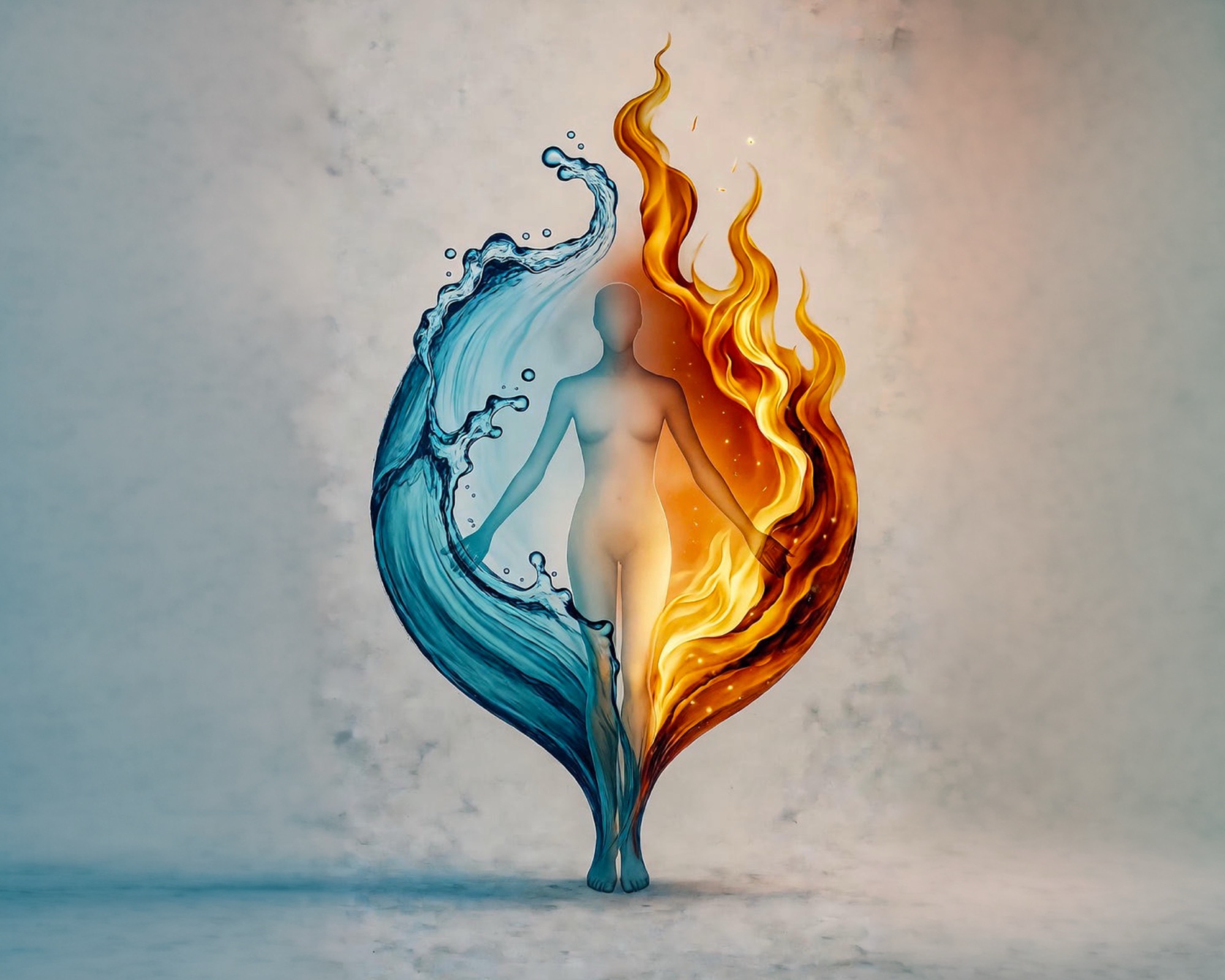
Have you ever wondered how your body keeps everything running smoothly — your temperature, heart rate, and even blood sugar — without you even thinking about it? That’s the power of homeostasis. It’s your body’s built-in system for maintaining internal balance and stability, no matter what’s happening outside.
Every cell, tissue, and organ in your body depends on this steady environment to function properly. When homeostasis is disrupted — even slightly — it can lead to fatigue, illness, or serious disease. Understanding how it works gives us a deeper appreciation for how beautifully designed the human body is.
⚖️ What Is Homeostasis?
Homeostasis comes from the Greek words “homeo” (same) and “stasis” (standing still). It means the body’s ability to maintain internal stability even when the external environment changes. This process allows the body to keep key conditions — like temperature, pH, and hydration — within a narrow, healthy range.
For example, if you step into a cold room, your body automatically reacts — you start to shiver, generating heat to keep your temperature around 37°C. Or when your blood sugar rises after a meal, insulin is released to bring it back to normal. These are classic examples of homeostasis at work.
Without homeostasis, life would not be possible. Enzymes would stop functioning, chemical reactions would slow down, and cells would be unable to survive.
🌡️ Why Homeostasis Matters
Homeostasis is essential because every biochemical process in the body depends on stable internal conditions. Even slight changes in temperature, pH, or fluid balance can interfere with normal body functions.
- Maintains the right temperature for enzyme activity and metabolism.
- Keeps blood pH near 7.4, ensuring oxygen delivery and cellular function.
- Regulates water and electrolyte levels for hydration and nerve signaling.
- Balances nutrients, oxygen, and waste products to sustain cellular life.
When homeostasis works efficiently, we feel energetic, focused, and resilient. When it fails, fatigue, inflammation, and disease often follow.
🧩 The Components of Homeostasis
Homeostasis works like a smart feedback system with three key components:
- Receptor: Detects changes (stimuli) in the internal or external environment. For instance, temperature receptors in the skin detect heat or cold.
- Control Center: Usually the brain or spinal cord, which processes the information and decides how to respond.
- Effector: Executes the necessary action — such as muscles shivering or sweat glands producing sweat — to restore balance.
These components work continuously, every second of your life, keeping your body in perfect harmony.
🔁 Feedback Mechanisms
The body uses feedback loops to maintain or adjust balance:
- Negative Feedback: Reverses a change to bring conditions back to normal. Example: sweating to cool down when it’s hot, or shivering to warm up when it’s cold.
- Positive Feedback: Temporarily amplifies a process to achieve a specific outcome. Example: blood clotting or the contractions during childbirth that intensify until delivery.
Negative feedback is the body’s main control mechanism — it prevents things from going too far off balance.
💡 Examples of Homeostasis in Action
- Temperature Regulation: The hypothalamus monitors body temperature and triggers sweating or shivering to maintain about 37°C.
- Blood Glucose Regulation: Insulin and glucagon from the pancreas work together to keep blood sugar stable.
- Osmoregulation: The kidneys control water and salt levels, preventing dehydration or fluid overload.
- pH Balance: Blood buffers maintain a steady pH around 7.4 to protect enzymes and cells.
- Blood Pressure Control: The heart and blood vessels adjust to maintain adequate blood flow to organs.
⚠️ What Happens When Homeostasis Fails?
Disruption of homeostasis can lead to illness or even death if not corrected. Common examples include:
- Diabetes: Failure of blood sugar regulation due to insulin problems.
- Dehydration: Loss of water and electrolytes affects cell function and blood volume.
- Heat Stroke: The body can’t cool itself properly under extreme heat.
- Acidosis or Alkalosis: Imbalance in blood pH can affect breathing and organ function.
Lifestyle factors like poor diet, stress, lack of sleep, or chronic illness can also disturb homeostasis over time — increasing the risk of metabolic disorders and fatigue.
💊 How Medicines Affect Homeostasis
While medicines can save lives, they often interfere with natural homeostasis by altering how organs and hormones work.
Examples:
Blood pressure drugs may lower blood pressure too much, causing dizziness or electrolyte imbalance. Statins can reduce cholesterol production but may also lower CoQ10 levels, affecting energy metabolism. Antibiotics can disrupt the gut microbiome — a key player in immune and metabolic balance. Painkillers and anti-inflammatories can reduce pain but may affect kidney and liver function if used long-term.
Modern medicine mainly manages symptoms, but it doesn’t always restore natural balance. Over time, this can create dependency, where the body relies on external drugs instead of its self-regulating systems.
🥦 Food, Nutrients, and Lifestyle — The Foundation of True Balance
The best way to support homeostasis is to strengthen the body’s natural healing ability.
Lifestyle and nutrition have a far deeper impact on long-term stability than medicine alone.
Key factors to support homeostasis naturally:
🧘♀️ 1. Balanced Nutrition
Eat real, whole foods rich in vitamins, minerals, and antioxidants. Protein supports hormone production and repair. Healthy fats (like omega-3, olive oil, animal fats) regulate inflammation and brain function. Electrolytes (sodium, potassium, magnesium) maintain nerve and muscle function.
🚶♂️ 2. Active Lifestyle
Exercise helps regulate blood sugar, circulation, and stress hormones. It enhances insulin sensitivity and mitochondrial health — both crucial for internal balance.
😴 3. Quality Sleep
During sleep, hormones like growth hormone and melatonin help repair tissues and restore the body’s systems.
🌞 4. Sunlight and Stress Management
Moderate sun exposure boosts vitamin D, while mindfulness or prayer lowers cortisol and supports nervous system stability.
🌿 The Goal: Less Dependence on Medicine
Medication has its place — especially for acute or emergency care — but true wellness comes when your body can self-correct naturally.
By focusing on nutrient-rich food, movement, and emotional balance, we can reduce dependence on medication and restore genuine homeostasis.
🌿 How to Support Homeostasis Naturally
- Stay hydrated and maintain a diet rich in electrolytes.
- Get enough sleep — it helps regulate hormones and repair cells.
- Eat nutrient-dense foods that support metabolism and immunity.
- Manage stress through breathing, meditation, or light exercise.
- Maintain a balanced lifestyle with moderate physical activity.
Supporting your body’s natural balance allows all your systems — from your brain to your gut — to function in harmony.
📚 References
- Guyton, A. C., & Hall, J. E. (2020). Textbook of Medical Physiology. 14th ed. Elsevier.
- Silverthorn, D. U. (2021). Human Physiology: An Integrated Approach. Pearson Education.
- National Library of Medicine. (2023). Homeostasis Overview.
- Widmaier, E. P., Raff, H., & Strang, K. T. (2019). Vander’s Human Physiology. McGraw-Hill.
- Rang, H. P., Dale, M. M., Ritter, J. M. (2019). Pharmacology. 9th ed. Elsevier.
- Silverthorn, D. U. (2021). Human Physiology: An Integrated Approach. Pearson.
- National Library of Medicine. (2024). Homeostasis and Drug Effects Overview