High blood pressure, or hypertension, is a condition that often goes unnoticed. Many people feel fine, yet their blood pressure is consistently elevated. Over time, this silent strain increases the risk of heart disease, stroke, kidney problems, and other serious complications. Anti-hypertensive medications are used to control blood pressure. They don’t cure hypertension, but they […]
Category: Low Carb high fat diet
Joint pain is one of the most common complaints people experience as they age, but it is not limited to older adults. It can show up as a dull ache, sharp pain, stiffness, or swelling in one or more joints. For some, it is occasional and mild. For others, it interferes with sleep, movement, and
Clear, science-based explanation for athletes and coaches — why a massive morning carb meal may not “top up” stores that are already full. Introduction Most endurance athletes have been told to load up on carbohydrates in the morning to “top up” glycogen before training. A recent study challenges that assumption. When well-trained cyclists ate a
Why a Big Carb Breakfast Didn’t Boost Glycogen in Trained AthletesRead More »
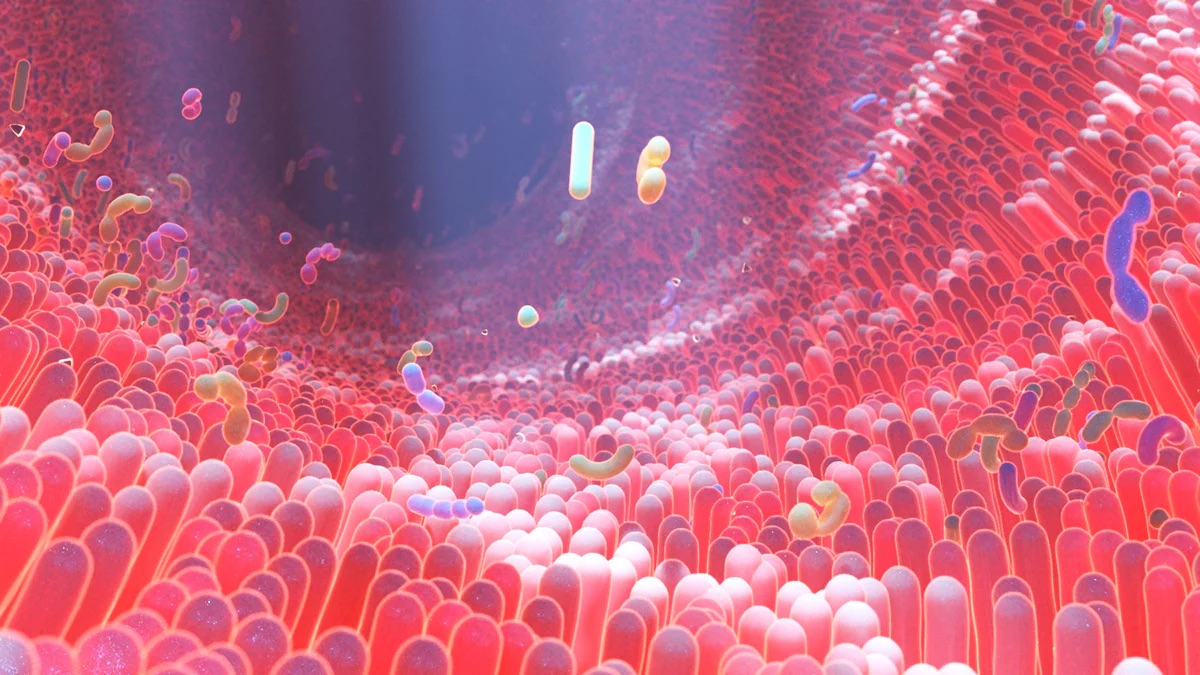
A long-form, reader-friendly scientific guide: intestinal permeability, symptoms including postprandial fullness and early satiety, how LCHF repairs the barrier, how bone broth and fermented foods accelerate healing, and how a stronger gut reduces microplastic absorption. Introduction Your gut is a metabolic control center that touches nearly every part of your health. When the intestinal barrier
For years, people thought the gut was mainly a digestive tube—break down food, absorb nutrients, move on. Modern science paints a very different picture. Your gut is an active metabolic engine, rich with microbes, chemical messengers, immune cells, and electrical signaling. It controls far more than digestion. It influences your brain, your hormones, your inflammation
Your Gut: The Silent Metabolic Engine That Shapes Your Health, Mood, Weight, and HormonesRead More »
Have you ever wondered how your body keeps everything running smoothly — your temperature, heart rate, and even blood sugar — without you even thinking about it? That’s the power of homeostasis. It’s your body’s built-in system for maintaining internal balance and stability, no matter what’s happening outside. Every cell, tissue, and organ in your
Gray hair is more than a calendar entry — it’s a story your cells are telling. Here’s the science behind the fade, practical factors that speed it up, and why some changes (and hope) exist for reversing or slowing the process. Introduction — more than “just aging” We all know the moment: you spot a
Understanding Oxidative Stress — The Body’s Rusting Process To understand oxidative stress, imagine what happens when metal rusts or when a cut apple turns brown — oxygen reacts with the surface, producing oxidation. A similar process happens inside your body every second.
When people say they want to “burn fat,” most imagine that fat somehow melts away, turns into energy, or disappears in sweat. But the truth is far more fascinating — and surprisingly scientific. Let’s break down exactly what happens to body fat when you lose weight, based on evidence from the Cleveland Clinic, BMJ, and
— The Forgotten Lesson from Britain’s “Sugar-Free Decade” During World War II, sugar was no longer a luxury — it became a rarity. Between 1942 and 1953, British citizens were limited to about 8 ounces (roughly 225 grams) of sugar per week. This meant no soft drinks, limited desserts, and rare sweets. Entire generations grew
🧁 When Less Sugar Meant Better Health: What the UK’s Wartime Rationing RevealedRead More »