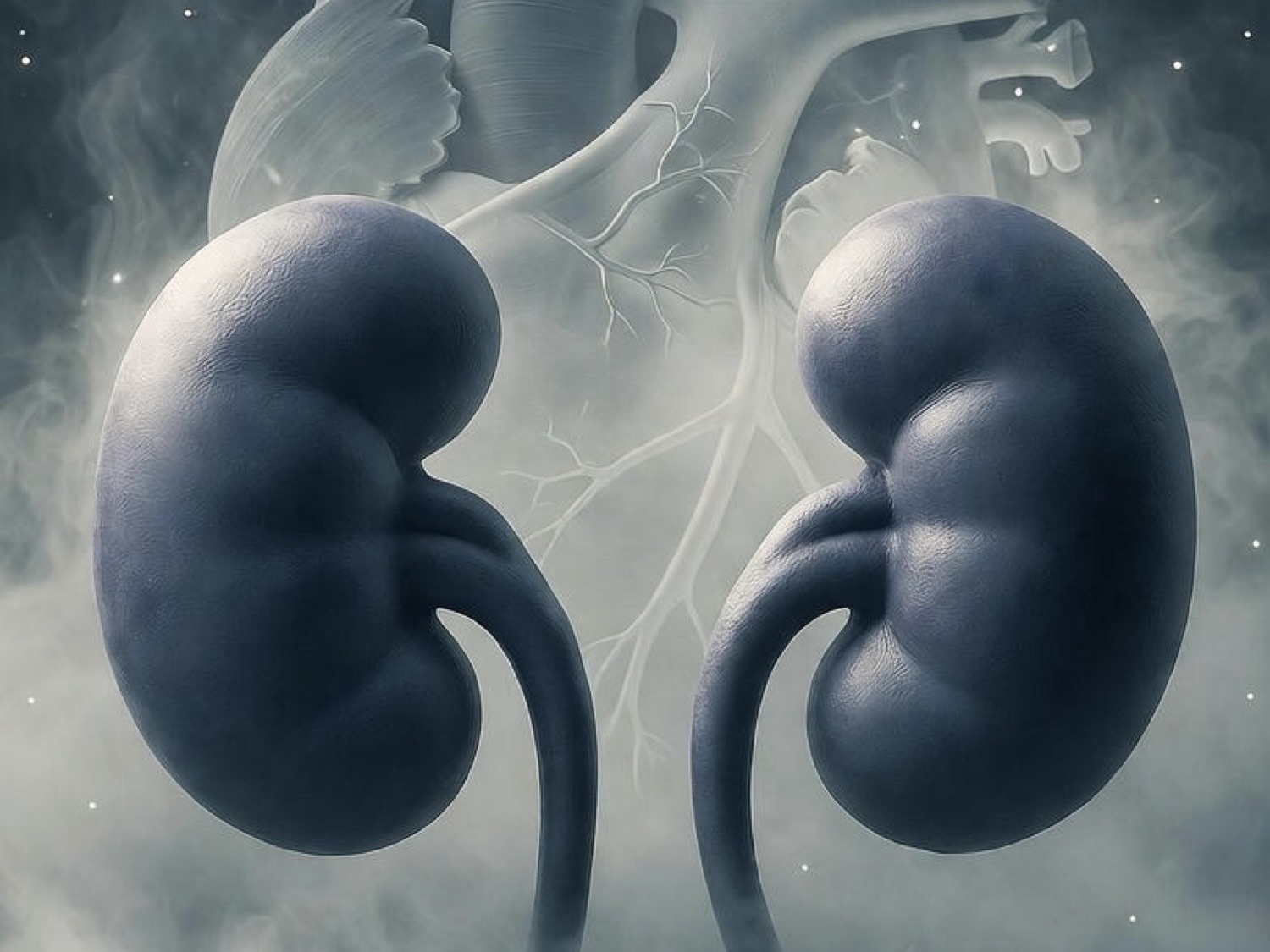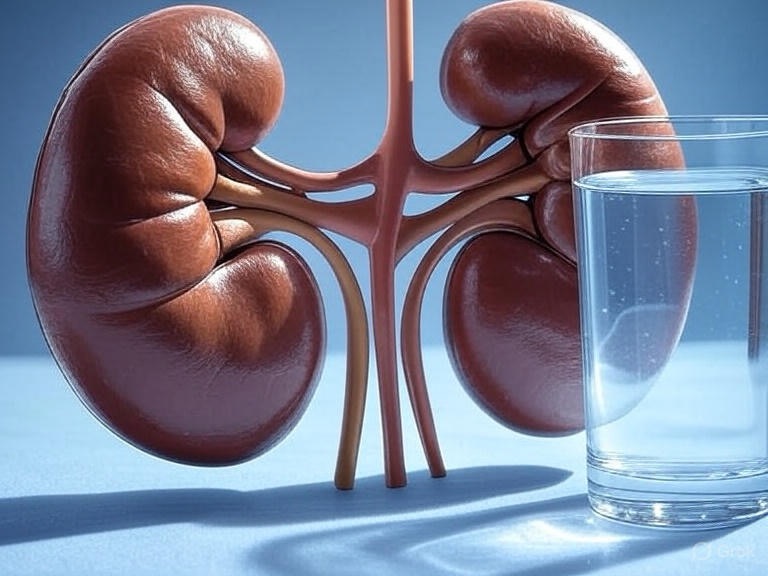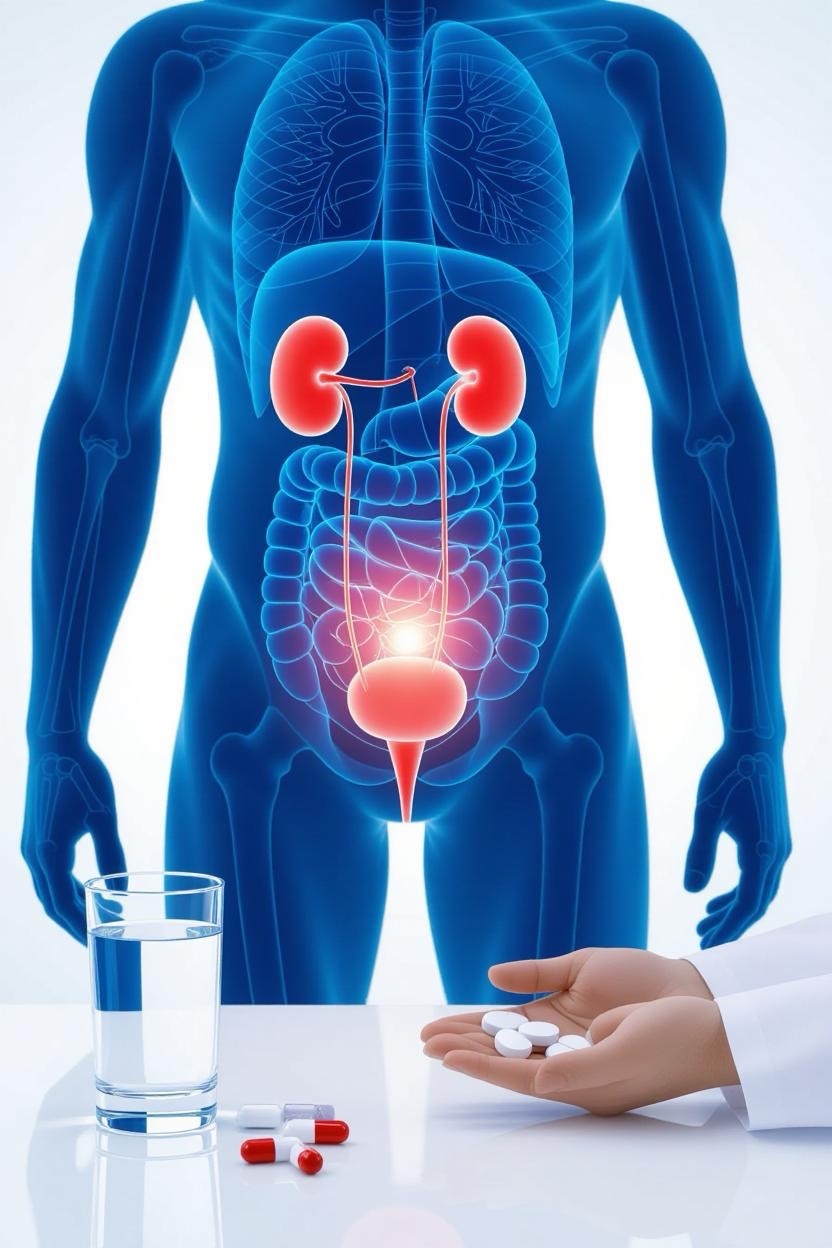
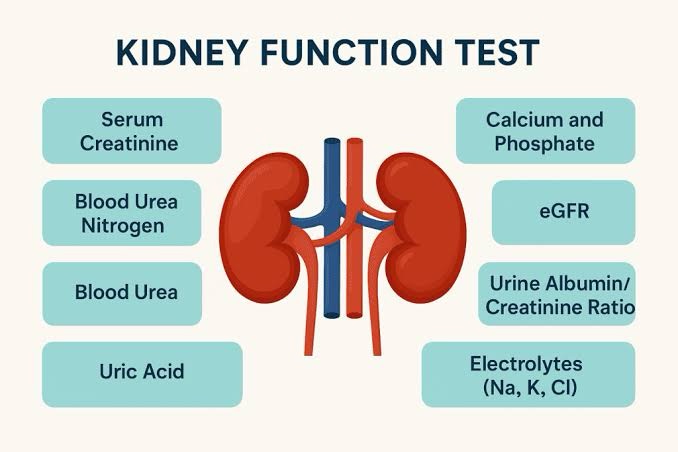
Renal function tests are essential medical investigations used to assess how well the kidneys are working. They help doctors diagnose kidney disease early, monitor disease progression, and guide treatment decisions. Because the kidneys play a vital role in filtering waste, balancing fluids, and regulating electrolytes, even mild dysfunction can have serious consequences if ignored.
Category: Kidney disease
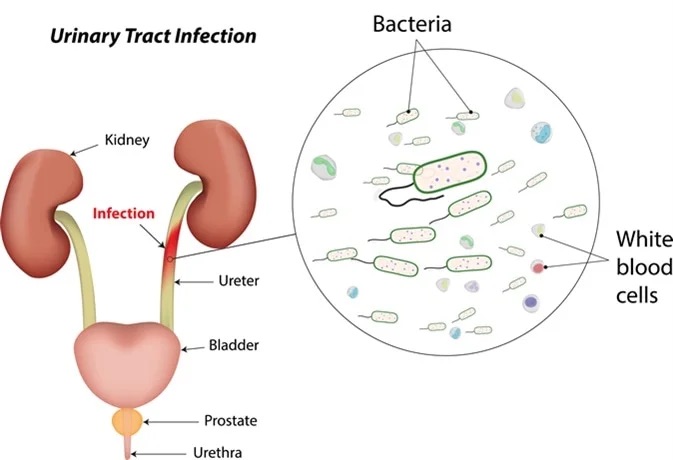
Urinary Tract Infection (UTI) is one of the most common infections affecting people of all ages, especially women. Although many cases are mild, untreated infections can lead to serious complications. Understanding how UTIs develop and how to prevent them is essential for long-term urinary health.
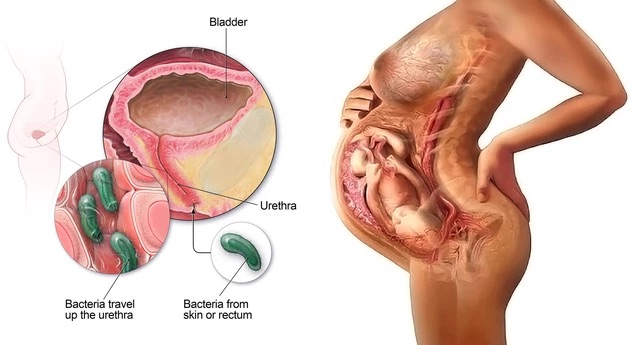
Urinary tract infections are common in pregnancy due to the physiological and anatomical changes that occur in a woman’s body. These changes make it easier for bacteria to multiply in the urinary tract. UTIs can affect any part of the urinary system, including the urethra, bladder, ureters, or kidneys. Early detection and treatment are essential
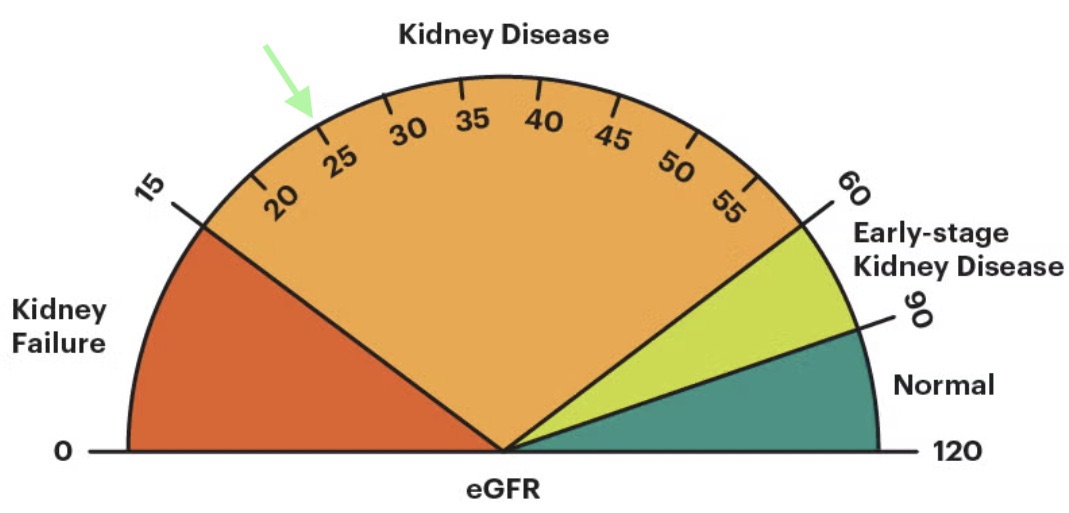
Glomerular Filtration Rate (GFR) is one of the most important measurements used to assess kidney health. It reflects how efficiently your kidneys filter waste and excess fluid from the blood. GFR is measured in milliliters per minute (mL/min). A healthy GFR means your kidneys are doing their job well, even if you feel perfectly fine.
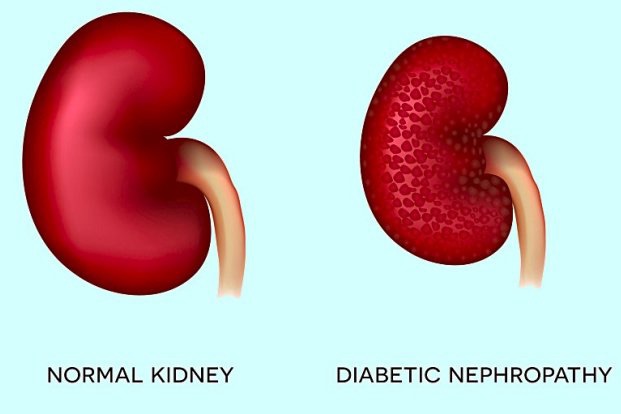
Diabetes is not just a condition of high blood sugar. When blood sugar remains elevated over time, it quietly damages blood vessels and organs throughout the body — and the kidneys are among the most affected. Many people with diabetes develop kidney damage without realizing it. By the time symptoms appear, kidney function may already
Diabetes & Kidney Health: What Everyone Should KnowRead More »
Based on The Lancet Global Burden of Disease Study 2023 Chronic kidney disease (CKD) has quietly become one of the fastest-rising global health threats. According to a large-scale analysis published in The Lancet, covering data from 1990 to 2023 across 204 countries, CKD now ranks as the 9th leading cause of death worldwide — and
🩺 Chronic Kidney Disease: The Silent Global Epidemic We Can’t IgnoreRead More »
Diabetes is a long-term condition where blood sugar levels remain higher than normal. Over time, this excess glucose silently damages small blood vessels throughout the body — especially those in the kidneys. Your kidneys act like natural filters, removing waste and excess fluid from the blood. When these filters are damaged, toxins and protein start
🩸 Diabetes and Kidney Health: Protecting Your Body’s Natural FiltersRead More »
🩺 Introduction Kidney stones — small, hard deposits that form inside your kidneys — might sound harmless until you’ve felt the pain of one. These stones are made up of minerals and salts that crystallize when the urine becomes too concentrated. They can affect any part of the urinary tract, from the kidneys to the
🧊 Kidney Stones and Their Management — Understanding, Treatment, and PreventionRead More »
Managing Urinary Tract Infections (UTIs): What You Need to Know Urinary tract infections (UTIs) are among the most common bacterial infections, especially in women, though men and children can be affected as well. While most cases are mild and treatable, untreated or repeated infections can sometimes lead to more serious health problems. Below is a
Managing Urinary Tract Infections (UTIs): What You Need to KnowRead More »
— A New Study Shows Low-Carb Nutrition and Remote Coaching May Help Protect the Kidneys in Type 2 Diabetes 📚 Published: June 6, 2025, in Frontiers in Nutrition 🔗 Full study here ✅ What Was the Study About? This research followed adults with type 2 diabetes for two full years, comparing two groups: One group