
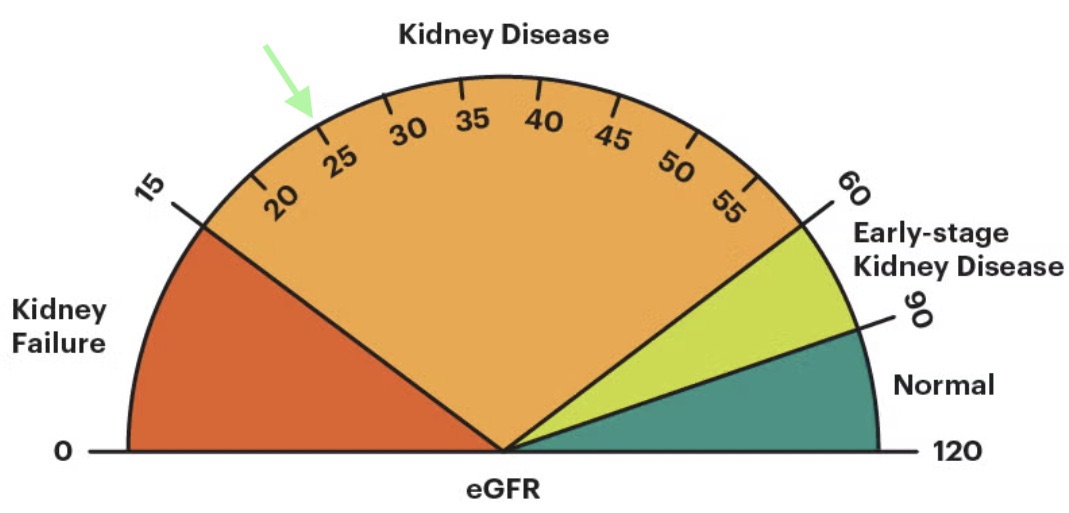
Glomerular Filtration Rate (GFR) is one of the most important measurements used to assess kidney health. It reflects how efficiently your kidneys filter waste and excess fluid from the blood.
GFR is measured in milliliters per minute (mL/min). A healthy GFR means your kidneys are doing their job well, even if you feel perfectly fine.
What Do the Kidneys Do?
Your kidneys are not just organs that produce urine. They perform several vital functions that keep your body stable and healthy:
- Remove waste products and toxins from the blood
- Maintain fluid and electrolyte balance (sodium, potassium, water)
- Help regulate blood pressure
- Support hormone production, including vitamin D activation
Why Is GFR So Important?
GFR provides a clear picture of overall kidney performance. One key reason doctors rely on GFR is that kidney disease often develops silently.
Many people have reduced kidney function without pain, discomfort, or obvious symptoms. A declining GFR is often the earliest warning sign.
GFR is also used to:
- Detect early kidney impairment
- Monitor kidney disease progression
- Adjust medication dosages safely
Normal GFR Values
- Healthy adults: approximately 90–120 mL/min
- GFR naturally decreases with age
- A GFR below 60 mL/min for more than 3 months may indicate chronic kidney disease
A lower GFR does not always mean kidney failure, but it should never be ignored.
Factors That Affect GFR
Several factors influence how well the kidneys filter blood:
- Blood pressure and kidney blood flow
- Hormonal regulation, especially the RAAS system
- Kidney disease or structural damage
- Dehydration or poor circulation
How Is GFR Measured?
The most common method used in clinical practice is estimated GFR (eGFR).
- eGFR is calculated using blood creatinine levels
- Age and sex are included in the formula
- It is simple, affordable, and widely used for screening
Other methods include creatinine clearance tests and inulin clearance, which is considered the research gold standard.
Common Causes of Low GFR
- Chronic kidney disease
- Acute kidney injury
- Reduced kidney blood supply due to dehydration or heart problems
Symptoms of Reduced GFR
Early kidney impairment often has no symptoms. When GFR drops significantly, symptoms may include:
- Swelling of the legs, ankles, or face
- Fatigue and weakness
- Reduced urine output
How to Protect Your GFR
Protecting kidney function starts with daily habits:
- Maintain healthy blood pressure
- Control blood sugar, especially in diabetes
- Avoid long-term or unnecessary use of kidney-toxic medications
- Stay properly hydrated
GFR in Special Populations
- Children naturally have lower GFR values
- Elderly individuals experience age-related decline
- Pregnant women often show increased GFR due to higher blood volume
Final Takeaway
GFR is a key indicator of kidney health. It allows early detection of kidney problems, long before symptoms appear.
Regular monitoring is especially important for people with diabetes, high blood pressure, or a family history of kidney disease.