
Urinary Tract Infection (UTI) is one of the most common infections affecting people of all ages, especially women. Although many cases are mild, untreated infections can lead to serious complications. Understanding how UTIs develop and how to prevent them is essential for long-term urinary health.
What Is a Urinary Tract Infection?
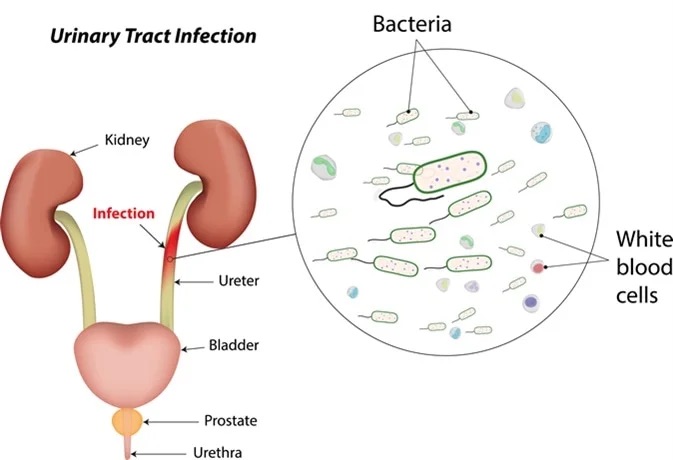
A UTI occurs when microorganisms—most commonly bacteria—enter the urinary tract and begin to multiply. This causes inflammation and leads to uncomfortable urinary symptoms. The infection may affect either the lower urinary tract (bladder and urethra) or the upper urinary tract (kidneys and ureters).
Understanding the Urinary System
The urinary system consists of the kidneys, ureters, bladder, and urethra. The kidneys filter waste products from the blood and produce urine. The bladder stores urine until it is expelled through the urethra. When bacteria enter this system, infection can occur.
Types of UTI
- Cystitis – Infection of the urinary bladder.
- Urethritis – Inflammation of the urethra.
- Pyelonephritis – Infection of the kidneys, which is more serious.
Lower UTIs involve the bladder and urethra and are generally less severe. Upper UTIs affect the kidneys and can become systemic, requiring urgent medical attention.
Common Causes
The most frequent causative organism is Escherichia coli (E. coli), a bacterium normally found in the gastrointestinal tract. Other bacteria such as Klebsiella and Proteus may also be responsible. In individuals with weakened immune systems, fungal infections can occur.
Risk Factors
- Female anatomy (shorter urethra)
- Poor perineal hygiene
- Diabetes mellitus
- Pregnancy
- Urinary catheter use
Symptoms to Watch For
Typical symptoms include:
- Painful urination (dysuria)
- Frequent urge to urinate
- Urgency with small urine output
- Cloudy or foul-smelling urine
- Lower abdominal discomfort
If fever, chills, or flank pain develops, it may indicate a kidney infection and requires prompt medical care.
How Is UTI Diagnosed?
Diagnosis is confirmed through urine examination. A routine urine test may show pus cells, while urine culture identifies the specific organism responsible. Imaging studies are considered in recurrent or complicated cases.
Treatment Options
Antibiotics remain the primary treatment and are selected based on culture results. Adequate hydration supports bacterial clearance, while analgesics may help relieve discomfort.
Possible Complications
If left untreated, UTIs can progress to kidney infection (pyelonephritis), renal scarring, or even sepsis—a life-threatening condition. Early treatment significantly reduces these risks.
Prevention Strategies
- Maintain good hydration
- Practice proper hygiene
- Seek early treatment for symptoms
- Follow medical advice during pregnancy
Final Thoughts
Urinary Tract Infection is common but largely preventable. Recognizing early symptoms and seeking timely treatment ensures better outcomes and reduces the risk of recurrence. Awareness and preventive care remain the strongest tools in protecting urinary health.