
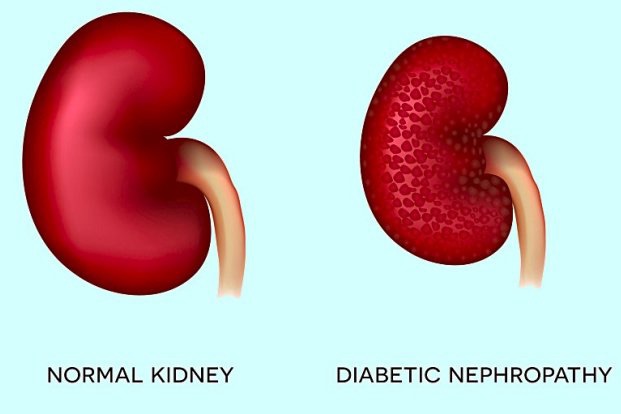
Diabetes is not just a condition of high blood sugar. When blood sugar remains elevated over time, it quietly damages blood vessels and organs throughout the body — and the kidneys are among the most affected.
Many people with diabetes develop kidney damage without realizing it. By the time symptoms appear, kidney function may already be significantly reduced. Understanding this connection early is one of the most effective ways to prevent long-term complications.
What Do the Kidneys Do?
The kidneys are two vital organs that work continuously to keep the body in balance. They filter the blood, remove waste, and regulate many essential functions.
- Filter waste products and toxins from the blood
- Remove excess fluid to form urine
- Maintain proper fluid balance
- Help regulate blood pressure through hormone control
- Balance electrolytes such as sodium and potassium
- Produce hormones needed for red blood cell formation
When kidney function declines, these processes are disrupted, affecting the entire body.
How Diabetes Damages the Kidneys
Persistently high blood sugar damages the tiny filtering units in the kidneys known as nephrons. Over time, these filters become inflamed, scarred, and leaky.
- High glucose levels injure small kidney blood vessels
- Protein leaks into the urine (proteinuria)
- Kidneys work harder, increasing internal pressure
- Blood pressure rises, worsening kidney damage
- Gradual loss of kidney function occurs (diabetic nephropathy)
This damage develops slowly, often over many years, which is why regular testing is essential even when symptoms are absent.
Symptoms of Diabetic Kidney Disease
Early-stage kidney disease usually has no obvious symptoms. As damage progresses, symptoms may include:
- Swelling in the feet, ankles, legs, or hands
- Persistent fatigue and weakness
- Foamy or bubbly urine due to protein loss
- Loss of appetite, nausea, or vomiting
- Frequent urination, especially at night
Do not wait for symptoms. Routine screening is the safest way to protect kidney health.
Diagnosis
Kidney damage can be detected early through simple and widely available tests:
- Urine tests to detect albumin (protein leakage)
- Blood tests measuring creatinine and estimated GFR (eGFR)
- Regular blood pressure monitoring
- Ultrasound imaging to assess kidney structure
Prevention and Long-Term Management
The progression of diabetic kidney disease is not inevitable. Daily habits play a major role in protecting kidney function.
- Maintain stable blood sugar levels
- Keep blood pressure within a healthy range
- Avoid smoking, which accelerates kidney damage
- Limit alcohol intake
- Use medications that are safe for kidney health
- Monitor kidney function regularly
How a Low-Carb, Healthy-Fat (LCHF) Approach Supports Kidney Health
The primary driver of diabetic kidney damage is prolonged high blood sugar. An eating approach that helps stabilize blood glucose can significantly reduce kidney stress.
A Low-Carb, Healthy-Fat (LCHF) lifestyle focuses on reducing refined carbohydrates and sugars, while emphasizing whole foods, natural fats, and adequate protein.
- Lower carbohydrate intake reduces blood sugar spikes
- More stable glucose levels protect kidney blood vessels
- Improved insulin sensitivity lowers kidney workload
- Better blood pressure control reduces kidney strain
Well-formulated low-carb diets do not damage healthy kidneys. For individuals with existing kidney disease, dietary adjustments should be personalized and guided by healthcare professionals.
The aim is not extreme restriction, but metabolic stability. Stable blood sugar is one of the strongest defenses against kidney damage.
Kidney-Friendly Eating Tips for People with Diabetes
A kidney-friendly diet focuses on reducing metabolic stress while maintaining proper nutrition. Consistency matters more than perfection.
Foods to Emphasize
- Whole, minimally processed foods
- Non-starchy vegetables such as leafy greens, broccoli, and cauliflower
- Quality protein in appropriate portions (eggs, fish, poultry)
- Healthy fats such as olive oil, coconut oil, butter, and avocado
- Adequate hydration without sugary beverages
Foods to Limit
- Refined sugars and sweetened drinks
- Highly processed foods and packaged snacks
- Excess refined carbohydrates such as white rice and bread
- Ultra-high sodium foods from processed sources
For advanced kidney disease, intake of protein, sodium, potassium, and phosphorus may require adjustment. Professional guidance is recommended.
Treatment Options
Treatment depends on disease severity:
- Lifestyle changes including diet, physical activity, and weight control
- Medications such as ACE inhibitors or ARBs to protect kidney function
- Dialysis when kidneys can no longer filter waste adequately
- Kidney transplantation for end-stage kidney failure
Complications of Diabetic Kidney Disease
- End-stage renal disease (ESRD)
- Increased risk of heart disease and stroke
- Severe fluid retention and swelling
- Electrolyte imbalances affecting heart rhythm
- Anemia due to reduced hormone production
Final Takeaway
Diabetes is one of the leading causes of kidney disease worldwide. The damage occurs silently — but it is largely preventable.
- Early screening protects kidney function
- Blood sugar and blood pressure control are critical
- Whole-food, low-sugar dietary choices matter
- Education empowers prevention and long-term health
Protecting your kidneys starts with daily decisions. Small, consistent actions today can prevent life-altering consequences tomorrow.