
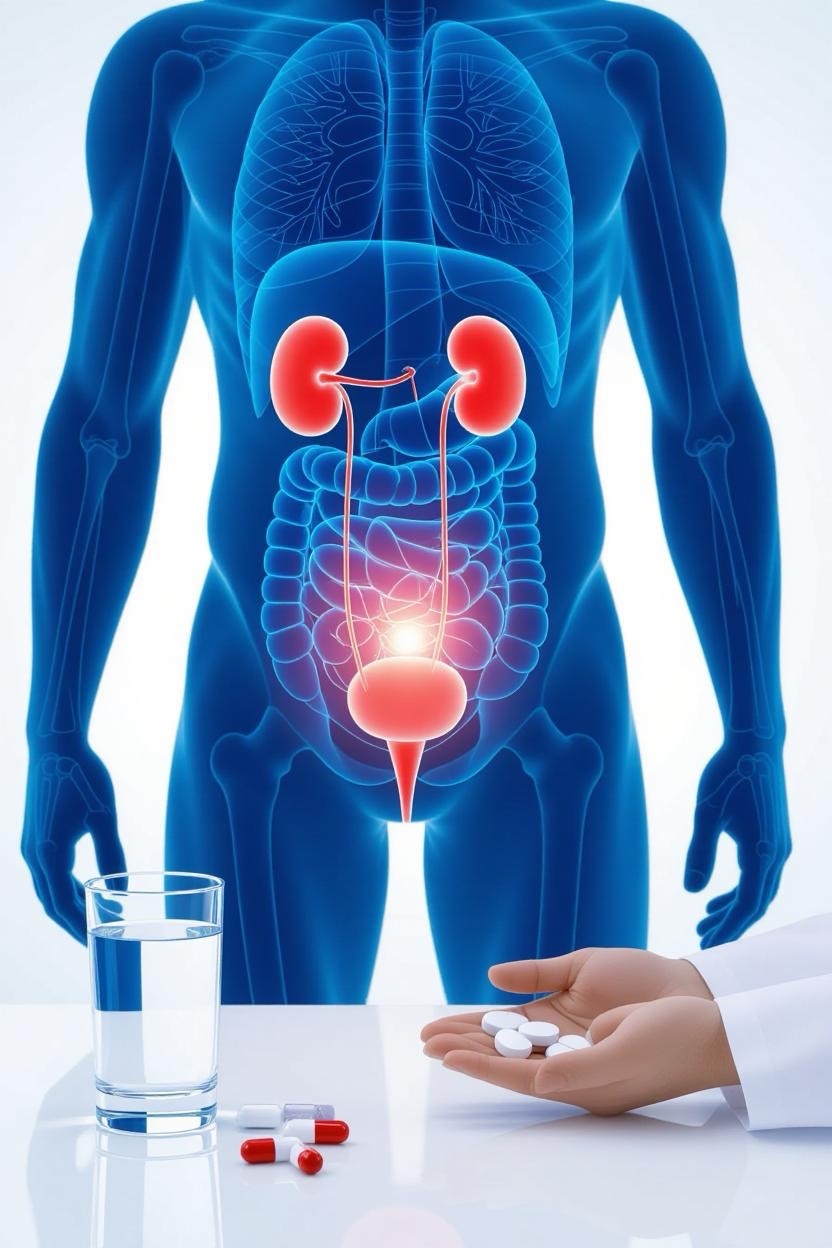
Managing Urinary Tract Infections (UTIs): What You Need to Know
Urinary tract infections (UTIs) are among the most common bacterial infections, especially in women, though men and children can be affected as well. While most cases are mild and treatable, untreated or repeated infections can sometimes lead to more serious health problems. Below is a clear, practical guide to managing UTIs, recognizing complications, and preventing recurrence.
General Measures: Supporting Your Recovery
For most people with a simple UTI, a few practical steps go a long way:
- Stay hydrated: Drinking more water helps dilute urine and flush bacteria out of your system.
- Don’t hold it in: Frequent urination clears the bladder before bacteria can multiply.
- Good hygiene: Wiping front to back and keeping the genital area clean can reduce bacterial spread.
Antibiotic Therapy: Targeting the Infection
Antibiotics remain the mainstay of treatment. Commonly used options include:
- Nitrofurantoin
- Trimethoprim-Sulfamethoxazole
- Fosfomycin
The usual course lasts 3–7 days, depending on the infection’s severity. In recurrent infections, a urine culture and sensitivity test helps clinicians choose the most effective antibiotic.
Symptomatic Relief: Making Recovery Easier
A UTI can be uncomfortable, but symptom management helps you feel better while antibiotics work:
- Pain relievers: Paracetamol (acetaminophen) can reduce fever and discomfort.
- Urinary analgesics: Phenazopyridine may ease burning during urination (it relieves symptoms but does not treat the infection).
- Fluids: Extra water not only helps fight infection but also soothes the urinary tract.
Complicated Cases: When UTIs Get Serious
Some UTIs require more intensive management:
- Longer antibiotic courses are often required for complicated infections.
- Intravenous antibiotics may be needed for severe infections or when oral therapy fails.
- Hospitalization is sometimes necessary for pyelonephritis (kidney infection) or sepsis—especially with high fever, chills, or flank pain.
Can UTIs Cause Kidney Damage?
This is a common and important question. Because the urinary tract is a connected system, bacteria that are not cleared from the bladder can travel upward through the ureters and infect the kidneys.
- Pyelonephritis: When infection reaches the kidneys, it is called pyelonephritis and usually causes fever, flank pain, nausea, or vomiting.
- Risk of long-term damage: Recurrent or untreated kidney infections can cause scarring and may contribute to chronic kidney disease in severe or repeated cases.
- Higher-risk groups: People with diabetes, urinary tract abnormalities, weakened immunity, children with reflux, and those with long-term catheters are at greater risk.
The good news: prompt diagnosis and proper treatment usually prevent permanent damage. Seek medical attention if you notice fever, back/side pain, worsening urinary symptoms, or systemic signs of infection.
Preventing Recurrence: Small Habits, Big Difference
If you get UTIs repeatedly, prevention is as important as treatment:
- Avoid unnecessary catheter use, which increases infection risk.
- Prophylactic antibiotics may be considered in carefully selected cases of recurrent UTI under medical supervision.
- Cranberry products and probiotics may provide modest benefit for some people, though evidence varies.
- Lifestyle adjustments: Regular hydration, urinating after sexual activity, and consistent hygiene practices help reduce recurrence.
📌 Quick Takeaway: Do’s and Don’ts for UTI Management
✅ Do’s
- Drink plenty of water to flush bacteria.
- Urinate regularly—don’t hold it in.
- Practice good hygiene (wipe front to back).
- Take antibiotics exactly as prescribed.
- See a doctor if symptoms worsen or persist.
❌ Don’ts
- Don’t ignore pain, fever, or back discomfort—these can signal kidney involvement.
- Don’t stop antibiotics early, even if you feel better.
- Don’t overuse antibiotics without medical advice.
- Don’t rely solely on home remedies if symptoms are severe.
References
- Mayo Clinic. Urinary tract infection (UTI).
- National Institute of Diabetes and Digestive and Kidney Diseases (NIDDK). Urinary Tract Infections in Adults.
- Centers for Disease Control and Prevention (CDC). Urinary Tract Infection (UTI).
- National Kidney Foundation. Urinary Tract Infections and Kidney Disease.
- Gupta K., Hooton T. M., Naber K. G., et al. (2011). International clinical practice guidelines: Clinical Infectious Diseases, 52(5), e103–e120. https://doi.org/10.1093/cid/ciq257.
- NCBI Bookshelf. (2023). Uncomplicated Urinary Tract Infections. StatPearls. https://www.ncbi.nlm.nih.gov/books/NBK470195/.
Note: This article is for educational purposes and does not replace professional medical advice. If you suspect a UTI or have severe symptoms, please consult a healthcare provider promptly.