
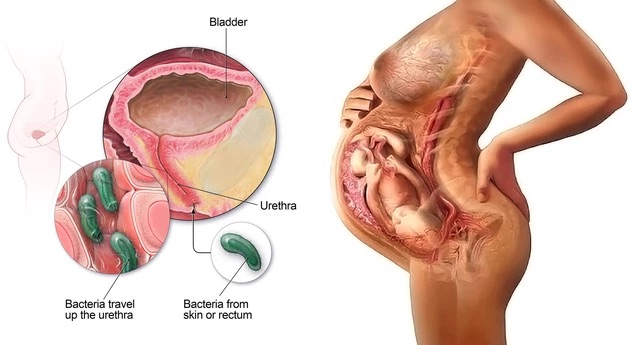
Urinary tract infections are common in pregnancy due to the physiological and anatomical changes that occur in a woman’s body. These changes make it easier for bacteria to multiply in the urinary tract. UTIs can affect any part of the urinary system, including the urethra, bladder, ureters, or kidneys. Early detection and treatment are essential to protect both the mother and the baby from complications.

Types of UTI in Pregnancy
- Asymptomatic bacteriuria: Presence of bacteria in the urine without any symptoms. If left untreated, it may lead to kidney infection.
- Acute cystitis: Infection confined to the bladder, causing symptoms like pain during urination, frequent urination, and urgency.
- Acute pyelonephritis: Severe infection affecting the kidneys, often presenting with high fever, flank pain, nausea, and vomiting. This is a serious condition that requires immediate medical attention.
Risk Factors
Some factors can increase the likelihood of developing UTIs during pregnancy:
- History of previous urinary tract infections
- Diabetes mellitus or anemia
- Multiple pregnancies (multiparity) or low socioeconomic status
- Incomplete bladder emptying and poor personal hygiene

Clinical Features
- In acute cystitis: dysuria (painful urination), frequency, and urgency
- In pyelonephritis: fever, chills, flank pain, nausea, vomiting
- Asymptomatic bacteriuria: usually no symptoms but still requires treatment
Diagnosis
UTIs can be diagnosed through simple urine tests:
- Urine routine examination: Detects pus cells and bacteria
- Urine culture: Confirms the type of bacteria and helps select the right antibiotic
- Routine screening is recommended during early pregnancy to catch infections before symptoms appear
Complications
If left untreated, UTIs can cause serious complications:
- Maternal: anemia, sepsis, kidney impairment
- Fetal: preterm labor, low birth weight, or growth problems
- Severe infections may progress to pyelonephritis, which can be life-threatening
Management
Management focuses on safe treatment and symptom relief:
- Use antibiotics that are safe in pregnancy, as prescribed by a doctor
- Drink plenty of water to flush bacteria from the urinary tract
- Empty the bladder regularly and completely
- Follow-up urine tests are important to ensure the infection is cleared
Prevention
Preventing UTIs is possible with simple measures:
- Routine antenatal screening for bacteriuria
- Maintain good perineal hygiene
- Stay well hydrated throughout the day
- Seek prompt medical attention for any urinary symptoms
Lifestyle Tips During Pregnancy
- Drink enough water daily. Aim for clear or pale yellow urine.
- Empty your bladder frequently, especially before and after sleep.
- Wear breathable cotton underwear and avoid tight-fitting clothes.
- Follow a balanced diet that supports immunity. For those on low-carb, high-fat (LCHF) diets, include enough hydration and electrolytes.
- Monitor blood sugar if diabetic, as high sugar levels can increase UTI risk.
Conclusion
UTIs during pregnancy are common but preventable. Early detection, proper treatment, and healthy lifestyle habits can significantly reduce risks for both mother and baby. Working closely with healthcare providers ensures better maternal and fetal outcomes.