
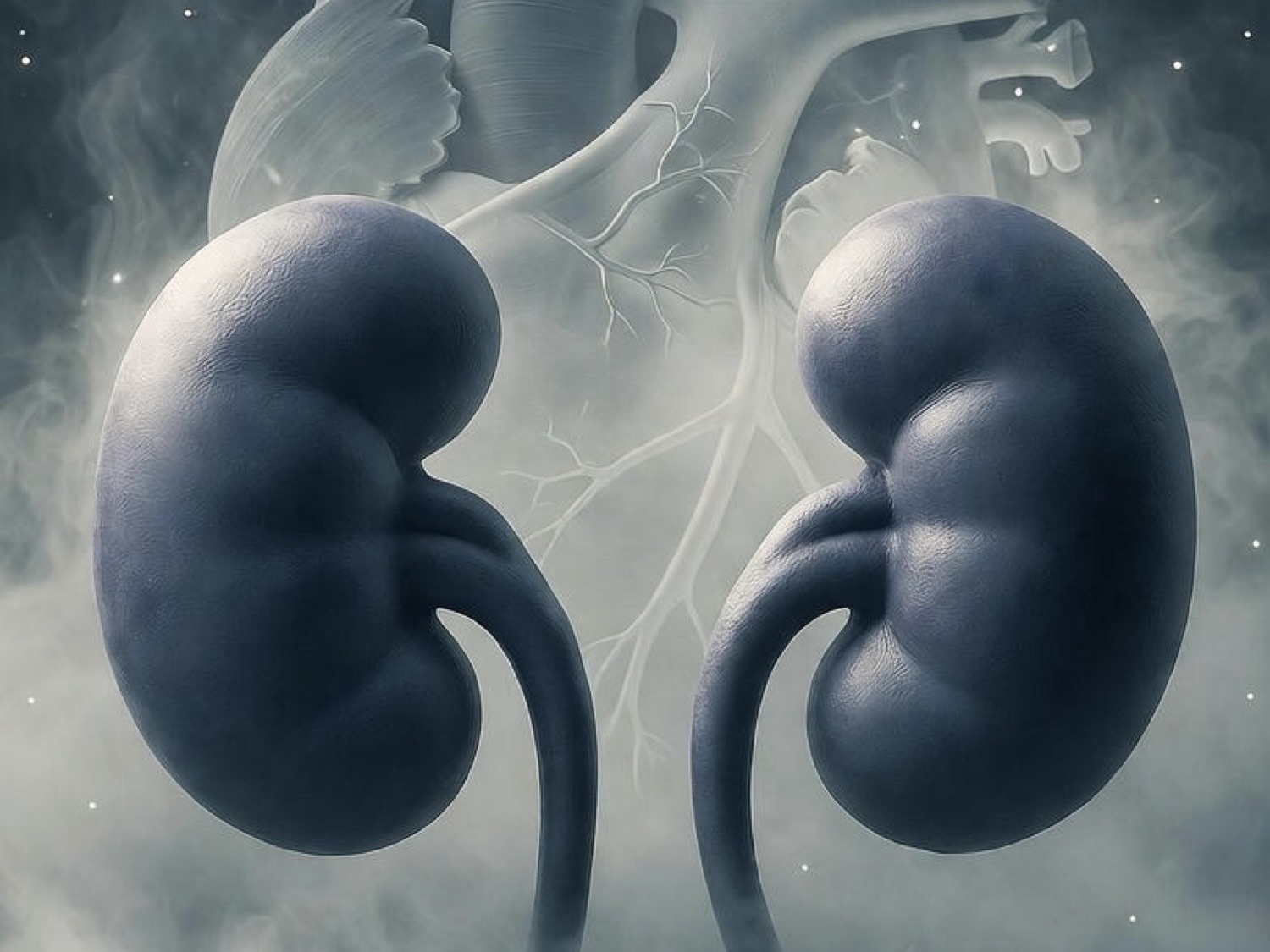
Diabetes is a long-term condition where blood sugar levels remain higher than normal. Over time, this excess glucose silently damages small blood vessels throughout the body — especially those in the kidneys. Your kidneys act like natural filters, removing waste and excess fluid from the blood. When these filters are damaged, toxins and protein start to leak into your urine. This condition, called diabetic nephropathy, is one of the leading causes of kidney failure worldwide.
Functions of the Kidney
The kidneys do far more than make urine. They play vital roles in maintaining your body’s internal balance:
- Filter waste products and excess fluid from the blood
- Regulate electrolyte and fluid balance
- Control blood pressure through hormone regulation
- Produce erythropoietin, a hormone that stimulates red blood cell production
- Maintain acid-base (pH) balance in the body
Without healthy kidneys, toxins and fluid quickly build up, affecting every organ system.
How Diabetes Affects the Kidneys
When blood sugar stays elevated, inflammation and scarring occur in the kidney’s tiny filtering units (called nephrons). Damaged nephrons start leaking protein into the urine — an early warning sign known as proteinuria. Meanwhile, high blood pressure develops and worsens the damage, creating a vicious cycle. As filtration efficiency (eGFR) declines, chronic kidney disease progresses and may eventually lead to end-stage renal disease (ESRD) requiring dialysis or transplant.
Symptoms of Diabetic Kidney Disease
- Swelling in feet, ankles, or hands (fluid retention)
- Fatigue and weakness
- Foamy urine due to protein leakage
- Loss of appetite or nausea
- Frequent urination at night
These symptoms often appear in advanced stages, so early screening is vital.
Diagnosis and Normal Lab Ranges
- Urine Albumin Test: Detects protein in urine (early damage indicator)
- Blood Urea Nitrogen (BUN or Urea): Normal range: 2.5–7.1 mmol/L (7–20 mg/dL)
- Creatinine: Normal range:
- Men: 62–115 µmol/L (0.7–1.3 mg/dL)
- Women: 53–97 µmol/L (0.6–1.1 mg/dL)
- Estimated Glomerular Filtration Rate (eGFR):
- ≥90 mL/min/1.73m²: Normal
- 60–89: Mild reduction
- 30–59: Moderate reduction
- 15–29: Severe reduction
- <15: Kidney failure
Regular monitoring allows early intervention before permanent damage occurs.
Prevention and Management
- Keep blood sugar stable (A1C ideally under 6.5–7%)
- Maintain blood pressure below 130/80 mmHg
- Avoid smoking and excessive alcohol
- Choose kidney-safe medications (avoid unnecessary painkillers like NSAIDs)
- Monitor kidney function regularly
Consistent self-care, healthy habits, and medical follow-up are key to prevention.
How a Low-Carb, High-Fat (LCHF) Diet Helps Protect the Kidneys
A low-carb, high-fat (LCHF) diet, when properly designed, is one of the most effective ways to stabilize blood sugar and reduce insulin resistance — two major factors in kidney damage. Here’s how it helps:
- Reduces glucose spikes: Less carbohydrate intake prevents high blood sugar and protects kidney filters.
- Improves insulin sensitivity: Lower insulin levels reduce water retention and blood pressure.
- Decreases inflammation: Nutritional ketosis reduces oxidative stress that harms kidney tissue.
- Stabilizes electrolytes: Adequate natural salt in LCHF helps maintain fluid balance.
- Lowers triglycerides and blood pressure: Reduces vascular stress, protecting delicate kidney capillaries.
Contrary to outdated beliefs, well-formulated low-carb diets do not harm healthy kidneys. Studies (Virta Health 2021; Westman 2020) show LCHF can improve kidney markers and even reverse early-stage nephropathy when blood sugar is controlled.
Treatment Options
- Lifestyle: LCHF or controlled-carb diet, exercise, weight management, hydration
- Medications: ACE inhibitors or ARBs to protect kidney blood vessels
- Dialysis: For kidney failure to filter waste
- Kidney transplant: For end-stage disease
Early intervention through diet and lifestyle changes can delay or prevent dialysis.
Healthy Diet Guidelines for Diabetic Kidney Patients
- Limit salt to control blood pressure
- Keep protein moderate — excessive protein strains kidneys
- Avoid high-potassium foods (bananas, oranges, potatoes) if advised by doctor
- Limit phosphorus-rich foods (dairy, cola, processed meat)
- Stay hydrated but don’t overdrink
A balanced low-carb, moderate-protein, high-fat diet is both kidney-friendly and blood sugar–friendly when planned correctly.
Complications of Diabetic Kidney Disease
- End-stage renal disease (ESRD)
- Heart disease and stroke
- Fluid retention and swelling
- Electrolyte imbalance (sodium, potassium)
- Anemia from reduced erythropoietin production
Conclusion
Diabetes is one of the top causes of kidney failure, but this damage is not inevitable. By keeping blood sugar in control, maintaining a healthy weight, and following a low-carb lifestyle, you can protect your kidneys from harm. Your kidneys rarely complain until the damage is serious — so take action early. Awareness, education, and consistent care can save kidneys — and lives.
References
- American Diabetes Association. Standards of Medical Care in Diabetes — 2024.
- National Kidney Foundation. Diabetes and Kidney Disease (Diabetic Nephropathy). 2023.
- Virta Health (Hallberg et al., 2021). Effect of Nutritional Ketosis on Kidney Function in Type 2 Diabetes.
- Westman EC et al. (2020). Low-Carbohydrate Diet and Kidney Function: A Review of Clinical Evidence.
- National Institute of Diabetes and Digestive and Kidney Diseases (NIDDK). Managing Diabetes and Kidney Disease. 2023.