
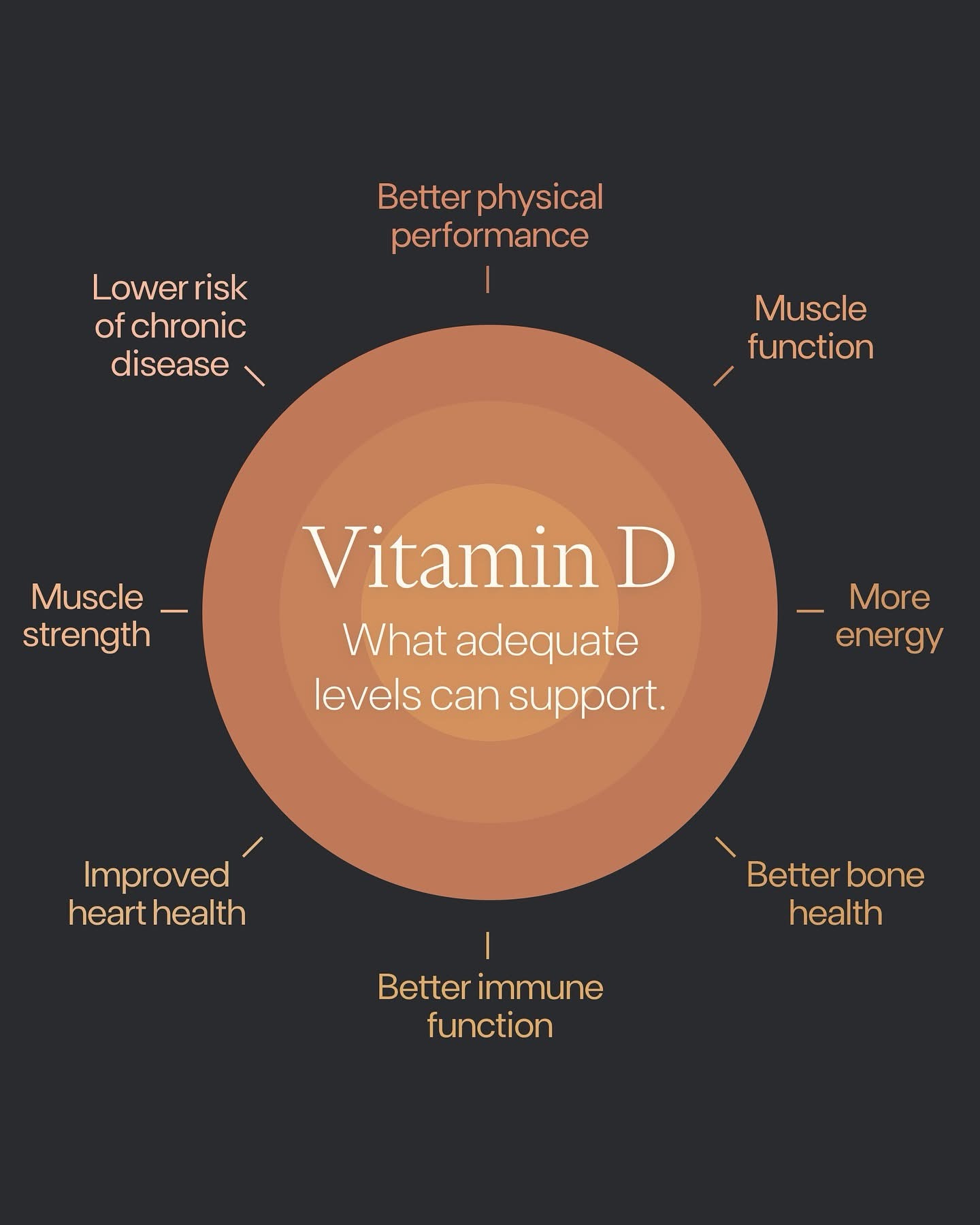
Introduction: A Nutrient We Cannot Overlook
Vitamin D — often called the sunshine vitamin — is far more than a simple nutrient. Technically, it behaves like a hormone, orchestrating hundreds of processes throughout the body. For decades, most people associated vitamin D with bone health and the prevention of rickets. Today, scientific evidence paints a far bigger picture: vitamin D influences muscle strength, metabolic health, immune resilience, inflammation control, and even gene transcription.
And yet, deficiency is astonishingly common.
As modern lifestyles shift indoors, as metabolic diseases rise, and as individualized needs differ widely, the importance of personalized vitamin D care has never been clearer. This article brings the science together — from hormone-like function to precision nutrition — and explains why vitamin D deserves your full attention.
Vitamin D: A Hormone Disguised as a Vitamin
Most people think vitamin D is “just a vitamin.” Technically, it is a vitamin… yet functionally, it behaves like a master hormone.
Here’s what textbooks rarely explain clearly:
Sunlight hits your skin → your liver rewires the molecule → your kidneys activate it → and then this tiny hormone starts regulating everything from immunity to calcium to gene expression.
Vitamin D is not operating quietly in the background. It is regulating a massive internal communication network.
Vitamin D regulates your:
- ☀️ Immune response
- ☀️ Bone building and remodeling
- ☀️ Muscle function and recovery
- ☀️ Hormone signaling
- ☀️ Cell growth, repair, and apoptosis
- ☀️ Inflammation pathways
- ☀️ Cancer-protective mechanisms
- ☀️ Calcium & phosphorus absorption
- ☀️ Gene transcription inside the nucleus
Every cell with a Vitamin D receptor (VDR) is listening.
That includes your brain, thyroid, pancreas, immune cells, prostate, breast tissue, colon, bones, and more.
This is why deficiency doesn’t just cause low energy or weak bones. It creates instability across the entire system.
Why Vitamin D Deficiency Is So Common — And What Most People Miss About Sunlight, Skin Tone, and Geography
Vitamin D deficiency shows up most clearly in the neuromuscular and skeletal systems. When levels fall too low for too long, the body pays the price. You see higher rates of metabolic bone diseases such as rickets (type I) in children and osteoporosis in adults.
Surveys suggest this problem is far more common than most people realise. Roughly 40% of people in the United States live with vitamin D insufficiency, and some researchers believe the number is even higher. Canadian reports are more alarming, with studies showing 70–97% of the population falling short (PMID: 20413135). Geography plays a major role. People who live in northern latitudes spend less time in strong sunlight, especially in winter, when UVB is too weak to trigger meaningful vitamin D production. In fact, populations living around 40° north or south of the equator may get virtually no natural vitamin D activation during the cold months.
Skin pigmentation is another important factor. Melanin—the pigment that darkens the skin—absorbs UVB efficiently. As a result, darker-skinned individuals often have lower circulating vitamin D (calcidiol) and must stay in the sun longer to produce the same amount of active vitamin D as lighter-skinned individuals. Some estimates suggest they may need 5–10 times more UVB exposure to reach similar levels. This difference ties back to human evolution: lighter skin developed in early populations living in higher latitudes as an adaptation to limited winter sunlight (PMID: 30408154).
Sun exposure is beneficial, but timing matters. Without UV levels of at least index 3—typically between 10 a.m. and 4 p.m.—your skin cannot efficiently convert pre-vitamin D into its active form, D3.

A Closer Look: What’s Really Happening in the Diagram

Vitamin D metabolism is elegant, complex, and beautifully coordinated. Here’s how the cascade works:
🔸 Step 1 — UVB Light Hits the Skin
UVB converts 7-dehydrocholesterol into previtamin D₃.
This process only activates under the right sunlight wavelength.
🔸 Step 2 — The Liver Rewires the Molecule
The liver converts previtamin D₃ into 25(OH)D₃
This is the circulating form — the one your doctor measures in a blood test.
🔸 Step 3 — The Kidneys Switch On the Hormone
The kidneys convert 25(OH)D₃ into the active hormone
→ 1,25(OH₂)D₃ (calcitriol)
This is the molecule that enters cells and directly alters gene expression.
🔸 Step 4 — The Immune System Has Its Own Vitamin D Switch
Immune cells can independently activate vitamin D.
This means your vitamin D status affects the strength and direction of your immune response.
🔸 Step 5 — Full-Body Endocrine Communication
Your bones, thyroid, parathyroid, kidneys, and gut communicate using this single signaling molecule.
A full hormonal network — hidden in plain sight.
Vitamin D in the Body: Beyond Bones
According to the NIH Office of Dietary Supplements (2024), vitamin D is essential for:
- calcium and phosphorus absorption
- bone mineralization
- immune function
- muscle contractility and nerve conduction
But modern research goes further.
Vitamin D influences:
- mitochondrial energy output
- glucose metabolism
- inflammatory cytokines
- antimicrobial peptides
- hormonal signaling across multiple glands
- over 200–300 genes depending on study
This explains why deficiency contributes to fatigue, pain, weakness, poor recovery, susceptibility to infections, and low immunity.
The Widespread Problem of Deficiency
A 2022 Frontiers in Nutrition review reported that nearly one-third of U.S. adults are insufficient or deficient in vitamin D.
Risk is even higher for:
- individuals with darker skin
- people with obesity
- those who avoid sunlight
- indoor workers
- elderly adults
- people with liver or kidney impairment
Deficiency is linked to:
- osteoporosis and fractures
- muscle aches and weakness
- compromised immunity
- higher infection risk
- mood disorders
- metabolic dysfunction
- chronic inflammation
Given vitamin D’s hormone-like role, widespread deficiency is not a small problem — it is a systemic one.
Vitamin D and Skeletal Muscle: A New Frontier
Studies by Montenegro et al. (2019) and Ozik & Kaczor (2019) describe vitamin D as a direct regulator of muscle biology.
Vitamin D improves:
- calcium handling inside muscle fibers
- mitochondrial ATP production
- muscle contraction efficiency
- oxidative stress resistance
- recovery and regeneration
This means deficiency may manifest as:
- chronic muscle fatigue
- low physical endurance
- higher injury risk
- slower healing
For older adults, improving vitamin D status is strongly correlated with fewer falls and better strength.
Sun Exposure: Balancing Benefits and Risks
Humans were designed to produce vitamin D from sunlight.
Yet modern life, sunscreen use, and fear of skin cancer have reduced natural vitamin D synthesis dramatically.
Raymond-Lezman & Riskin (2023) emphasize:
- Short, controlled UVB exposure improves vitamin D without meaningfully increasing skin cancer risk.
- Excessive sun exposure remains harmful.
- Supplements bridge the gap without UV damage.
The key is balance, not avoidance.
Toward Precision Nutrition: One Size Does Not Fit All
A 2024 Nutrients review argues that standard vitamin D recommendations ignore human variability.
Your vitamin D needs depend on:
- skin pigmentation
- genetics (VDR polymorphisms)
- BMI and metabolic health
- liver and kidney function
- sun exposure habits
- inflammation levels
- age and hormonal status
Personalized dosing — not guesswork — produces the best outcomes.
This is the future: precision nutrition tailored to your biology.
Maria’s Story: When Personalization Changes Everything
Maria, a 42-year-old office worker, lived with deep fatigue and muscle pain.
A routine test showed severe vitamin D deficiency.
Her clinician customized:
- a higher-dose supplement schedule
- brief morning sun exposure
- anti-inflammatory diet adjustments
- monitoring every 6 weeks
Within 3 months, her levels normalized — and so did her energy, mood, and muscle strength.
Her story is common. Personalized vitamin D care works.
Foods Naturally High in Vitamin D
Vitamin D is often called the “sunshine nutrient,” but sunlight isn’t the only source. A handful of foods can help you raise your levels, especially if you live in a place with limited sun exposure or spend most of your day indoors.
1. Fatty fish
Fish remains the richest natural food source of vitamin D. Salmon, sardines, mackerel, and herring all deliver meaningful amounts. Wild-caught salmon generally contains more vitamin D than farmed salmon.
2. Cod liver oil
A single spoonful packs a powerful dose of vitamin D along with omega-3 fatty acids. It’s one of the most concentrated sources available.
3. Egg yolks
Most of the vitamin D in eggs sits in the yolk. Eggs from pasture-raised hens often contain higher levels, since the hens spend more time in the sun.
4. Beef liver
Though not everyone enjoys its taste, beef liver provides modest amounts of vitamin D along with vitamin A, iron, and B vitamins.
5. Mushrooms exposed to UV light
Most mushrooms contain little vitamin D unless they’re exposed to UV light. When they are, they can produce vitamin D2, a plant-based form of the nutrient.
6. Fortified foods
Certain products—like milk, plant-based milks, yogurt, cereals, and some juices—are fortified with vitamin D. These are helpful for people who struggle to gain enough from natural sources, though whole foods remain the stronger option.
If sunlight is limited in your region or you have higher vitamin D needs, pairing these foods with sensible midday sun exposure can help keep your levels in a healthy range.
Putting It All Together: A Master Signaling System You Cannot Ignore
Vitamin D is not just about “strong bones.”
It is a biochemical communication system that keeps your entire physiology running.
When vitamin D is low, the entire network is disrupted:
- immune modulation weakens
- inflammation rises
- hormone signaling becomes unstable
- muscles lose efficiency
- bone turnover becomes imbalanced
- cellular repair slows
- gene expression shifts unfavorably
And the causes of deficiency go beyond sunlight:
- poor diet
- obesity
- chronic inflammation
- liver dysfunction
- kidney impairment
- metabolic disorders
- low outdoor activity
This is why testing, personalization, and monitoring are essential.
Practical Recommendations
- Get a 25(OH)D blood test — this is the correct marker.
- Target 30–50 ng/mL, unless advised differently by your clinician.
- Adjust the dose based on your personal response, not generic charts.
- Include fatty fish, eggs, and fortified foods if possible.
- Use supplements safely — more is not always better.
- Combine with magnesium, omega-3, and adequate protein for improved metabolism and muscle function.
- Seek professional guidance for personalized dosing.
Conclusion: The Future Is Personal
Vitamin D is a hormone-like regulator with influence across immunity, muscle function, bone health, metabolism, and gene expression. Given the high prevalence of deficiency and the enormous variability between individuals, precision nutrition is no longer optional — it is the future of preventive health.
Don’t guess. Measure. Personalize. Rebuild your foundation.
References
- National Institutes of Health. Vitamin D. NIH Office of Dietary Supplements; 2024.
- Mavar et al. The Power of Vitamin D. Nutrients. 2024.
- Montenegro KR, et al. Vitamin D and Skeletal Muscle Function. Nutrition Research Reviews. 2019.
- Ozik T, Kaczor JJ. Mitochondrial Function and Vitamin D. Eur J Appl Physiol. 2019.
- Vitamin D Deficiency in U.S. Adults. Frontiers in Nutrition. 2022.
- Raymond-Lezman J, Riskin J. Sun Exposure and Vitamin D Balance. Cureus. 2023.
- Nutrients (2024). Precision Nutrition and Vitamin D Requirements: A Review.
- Additional mechanistic content based on standard endocrine physiology texts (source of original diagram unknown).