
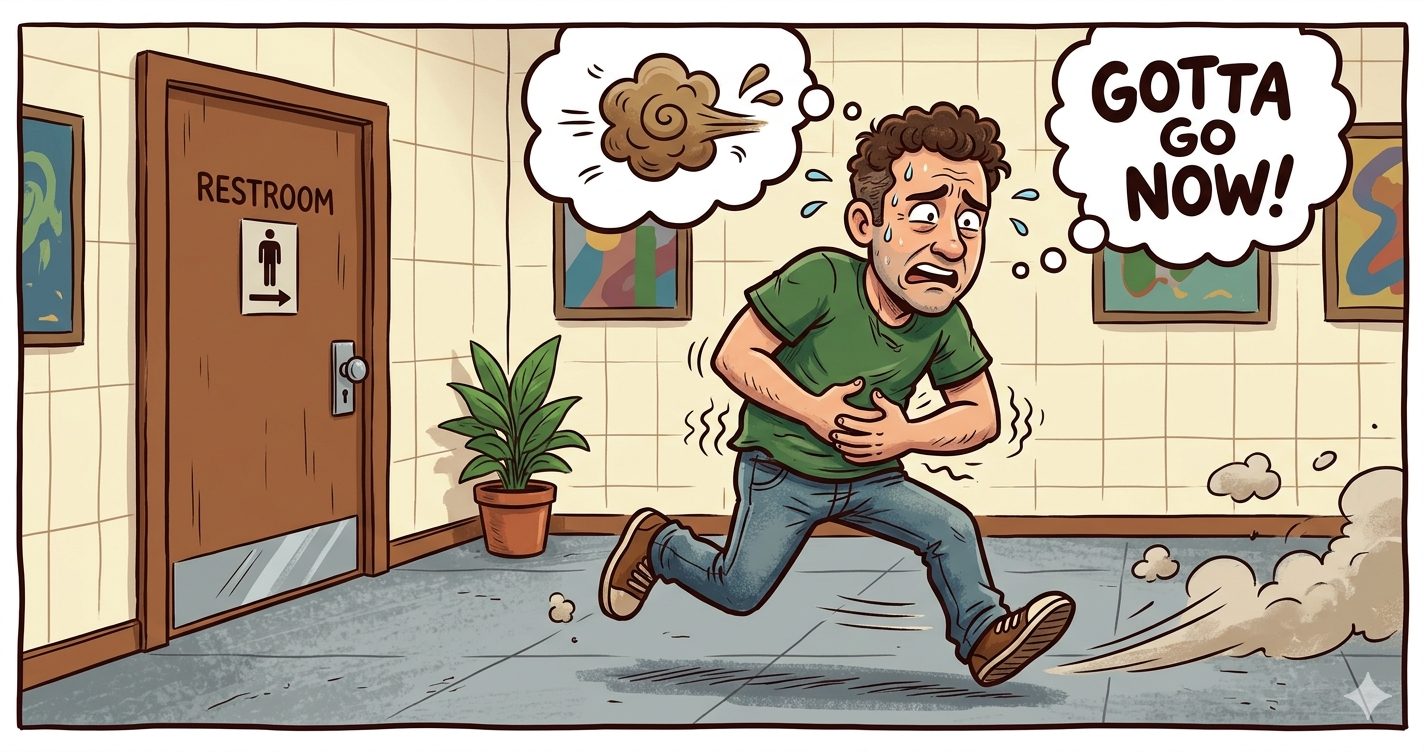
What is Diarrhea?
Diarrhea means passing loose or watery stools more often than usual. It is a very common health problem that can affect people of all ages. Most cases last for a few days, but sometimes it may persist longer. If not managed properly, it can lead to weakness and dehydration.
Causes of Diarrhea
- Infection caused by bacteria, viruses, or parasites is the most common cause.
- Eating contaminated or spoiled food.
- Drinking unsafe or unclean water.
- Certain medications such as antibiotics can disrupt normal gut bacteria.
Common Symptoms
- Frequent loose or watery stools.
- Abdominal cramps or stomach pain.
- Nausea and sometimes vomiting.
- Fever and general weakness in some cases.
Types of Diarrhea
- Acute diarrhea: Lasts for a short time, usually a few days.
- Persistent diarrhea: Lasts more than two weeks.
- Chronic diarrhea: Lasts more than four weeks.
Complications
- Dehydration is the most serious complication.
- The body loses large amounts of water and essential salts.
- Severe dehydration may cause dizziness, weakness, and confusion.
- Children and elderly individuals are at higher risk.
Diagnosis
- Doctors usually diagnose diarrhea based on symptoms and medical history.
- Stool tests may be done to detect infections.
- Blood tests help assess dehydration or underlying conditions.
Treatment
- Drink plenty of fluids to prevent dehydration.
- Oral Rehydration Solution (ORS) helps replace lost fluids and electrolytes.
- Medications may be prescribed in severe cases or infections.
- Rest and light, easy-to-digest foods help recovery.
Prevention
- Wash hands before eating and after using the toilet.
- Drink clean and safe water.
- Eat properly cooked and fresh food.
- Maintain good personal and food hygiene.
Conclusion
Diarrhea is common but usually manageable. Early care and proper hydration are key to preventing complications. Maintaining good hygiene is one of the most effective ways to reduce risk. Seek medical attention if symptoms become severe or persist.