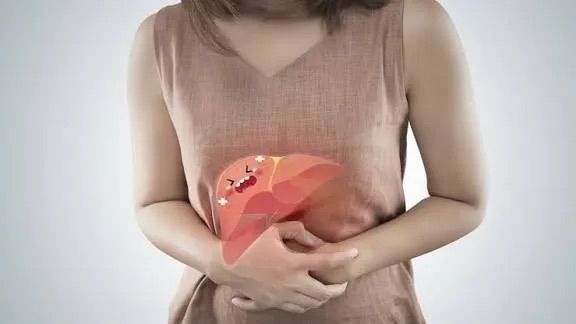
Overview: Acute Fatty Liver of Pregnancy (AFLP) is a rare but potentially life-threatening condition that usually occurs in the third trimester. It causes severe liver dysfunction due to fat accumulation.

MD Keto Malaysia | #1 Shop for Keto, Low-Carb & Diabetic-Friendly Foods
Overview: Acute Fatty Liver of Pregnancy (AFLP) is a rare but potentially life-threatening condition that usually occurs in the third trimester. It causes severe liver dysfunction due to fat accumulation.
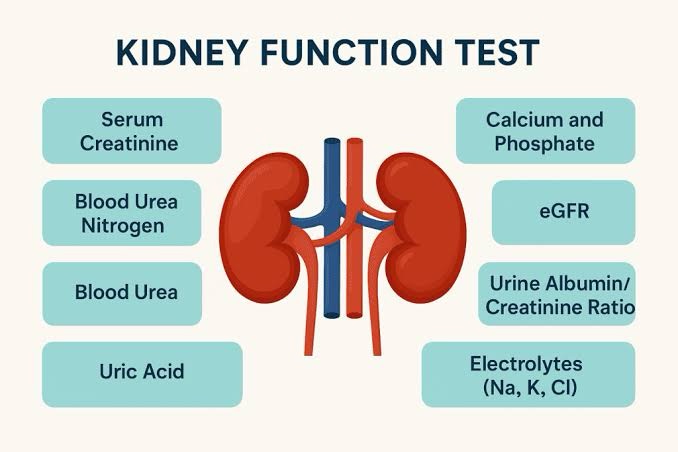
Renal function tests are essential medical investigations used to assess how well the kidneys are working. They help doctors diagnose kidney disease early, monitor disease progression, and guide treatment decisions. Because the kidneys play a vital role in filtering waste, balancing fluids, and regulating electrolytes, even mild dysfunction can have serious consequences if ignored.
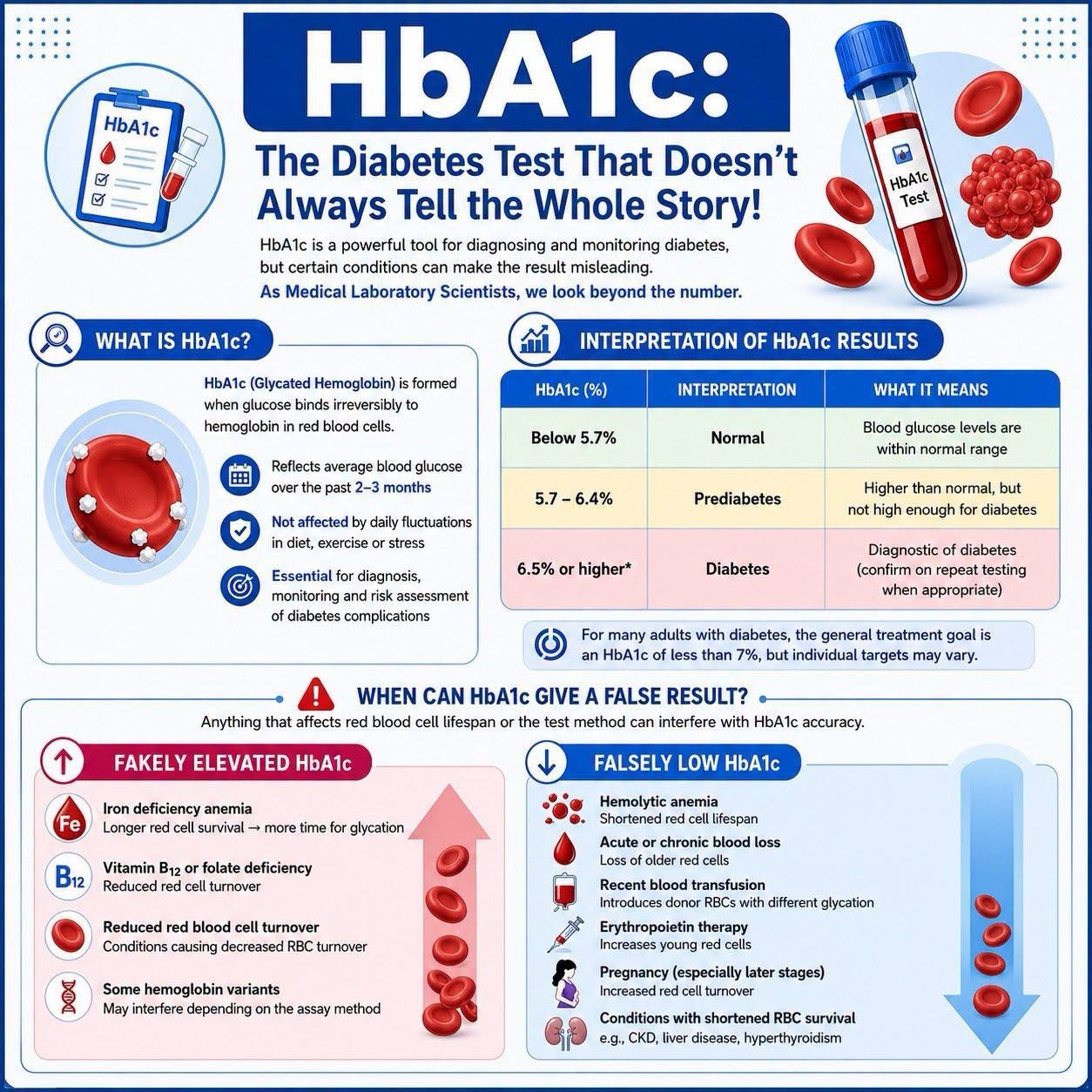
The HbA1c blood test reflects your average blood glucose level over the past 2–3 months. It does not measure daily sugar fluctuations, but shows your long-term glucose pattern. Higher blood glucose levels lead to more glucose attaching to hemoglobin, resulting in a higher HbA1c value.

Analgesics are drugs that relieve pain without causing loss of consciousness. They act on both the peripheral and central nervous systems to block pain perception. These medications are commonly used for headaches, muscle pain, arthritis, and post-surgical pain.
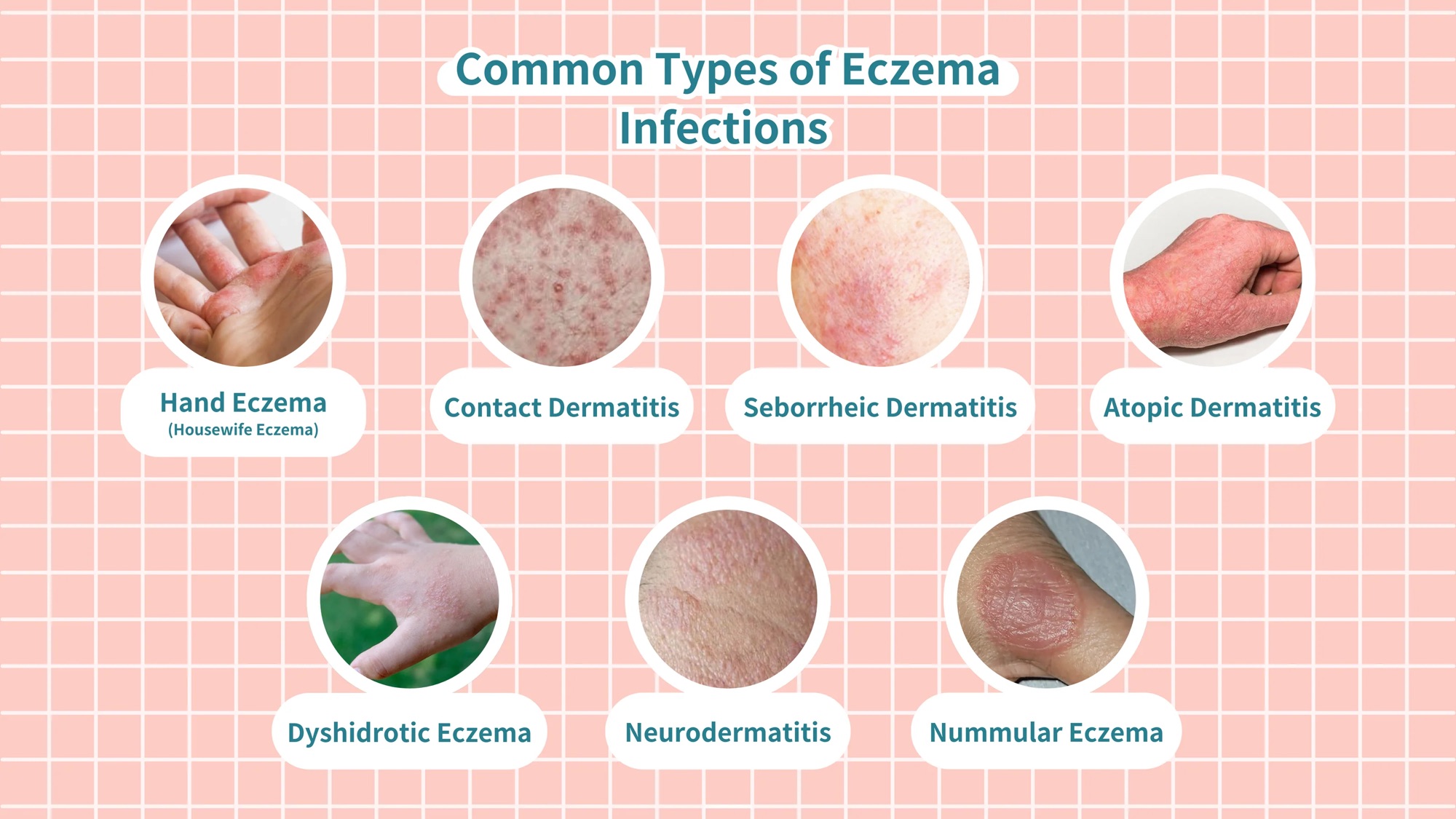
Eczema is a chronic inflammatory skin disorder characterized by itchy, inflamed skin. It commonly affects children but may persist or first appear in adulthood. The condition typically follows a relapsing and remitting course.

Myocardial infarction (MI), commonly known as a heart attack, is a medical emergency caused by sudden interruption of blood supply to the heart muscle. If not treated promptly, it leads to ischemia and irreversible myocardial cell death.

Acne is a chronic inflammatory disorder of the pilosebaceous unit (hair follicle and sebaceous gland). It commonly affects adolescents and young adults, but may persist into adulthood.

Iron deficiency anemia is the most common nutritional anemia worldwide. It occurs when the body does not have enough iron to produce adequate hemoglobin — the protein in red blood cells responsible for carrying oxygen.
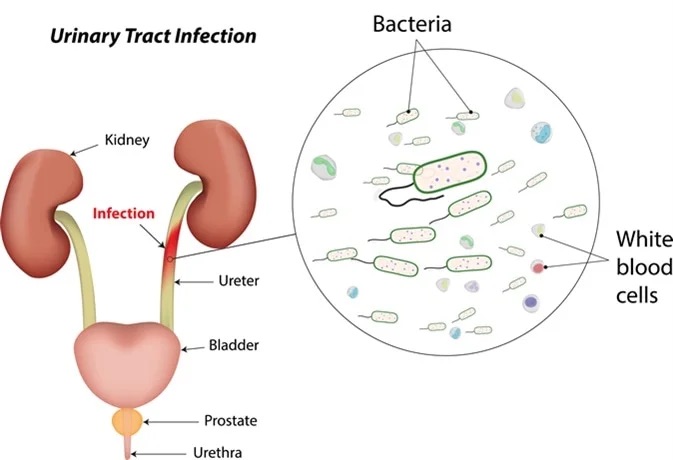
Urinary Tract Infection (UTI) is one of the most common infections affecting people of all ages, especially women. Although many cases are mild, untreated infections can lead to serious complications. Understanding how UTIs develop and how to prevent them is essential for long-term urinary health.
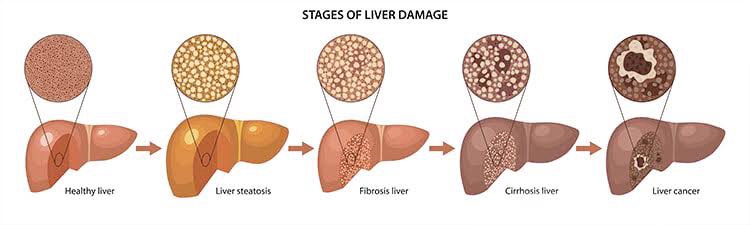
Non-Alcoholic Fatty Liver Disease (NAFLD) is a condition where excess fat accumulates in the liver in people who consume little or no alcohol. It is one of the most common liver disorders worldwide and is closely linked to metabolic problems.