
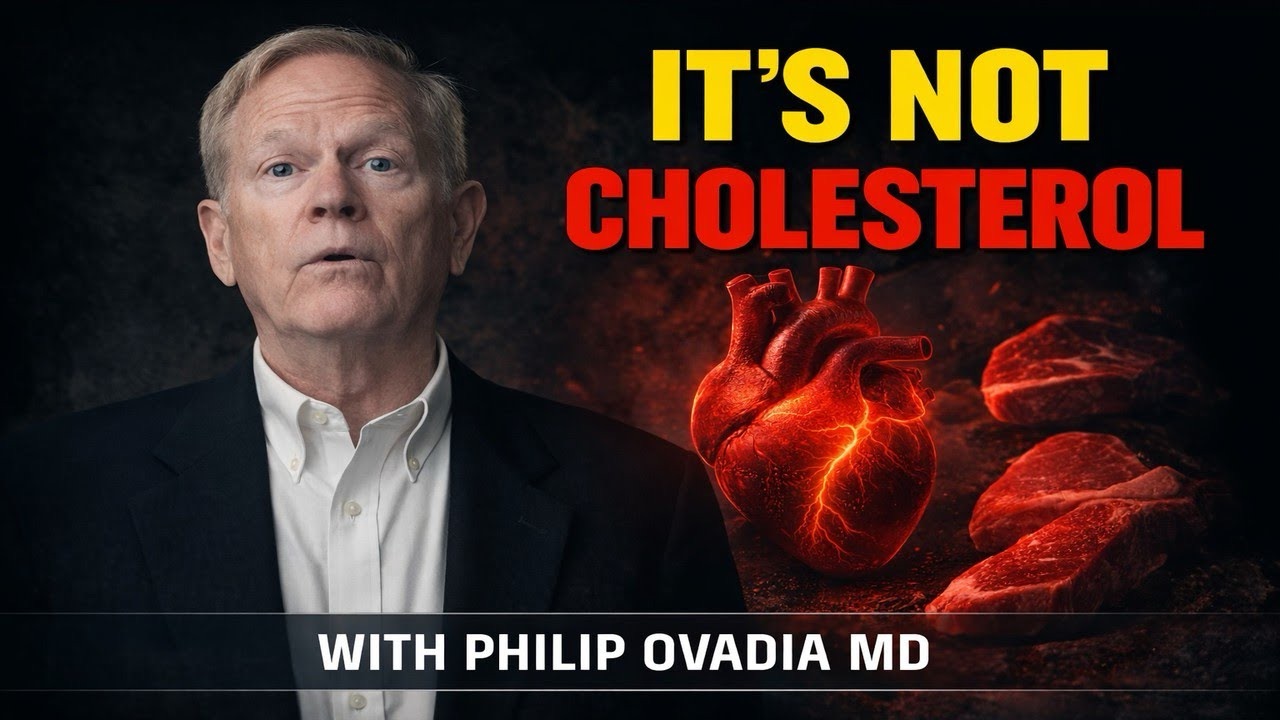
If a heart surgeon tells you he’s actively trying to write himself out of a career, it’s worth stopping to listen.
In a deep-dive conversation on the Health Longevity Secrets Show, host Dr. Robert Lufkin sat down with board-certified cardiac surgeon Dr. Philip Ovadia to unpack a reality that most of traditional medicine overlooks: the vast majority of open-heart surgeries are entirely preventable.
Dr. Ovadia isn’t speaking purely from academic theory. Years ago, he sat on the other side of the doctor-patient relationship—morbidly obese, pre-diabetic, and following standard dietary guidelines that simply weren’t working. After losing nearly 100 pounds and transforming his own health, he realized the medical system was chasing the wrong culprit. The core issue driving cardiovascular disease isn’t just cholesterol; it’s systemic metabolic dysfunction.
Here are the key takeaways from their conversation on how to reclaim your health before ever needing a surgical intervention.
1. Cholesterol Isn’t the Real Villain
For decades, mainstream medical advice has centered on cutting saturated fat and managing cholesterol numbers with prescription medications. Yet, despite red meat consumption dropping significantly in the U.S. over the last 50 years, rates of heart disease and diabetes continue to climb.
Dr. Ovadia points out that observational studies vilifying red meat often fall victim to the “healthy user bias.” People who ate more meat in past decades were also more likely to smoke, lead sedentary lives, and consume refined sugars and ultra-processed foods. When you isolate whole foods from processed junk, animal-based proteins offer unparalleled nutrient density without driving insulin resistance.
2. It’s Not Just What You Eat—It’s What You Absorb
In his latest book, Stay Off My Kitchen Table, Dr. Ovadia takes his dietary recommendations a step further by focusing on gut integrity, nutrient density, and bioavailability.
Many people attempt to clean up their diets by switching to plant-centric or vegan lifestyles. While cutting out processed foods initially yields health improvements, long-term nutrient deficiencies often crop up. Plants contain natural defense mechanisms—anti-nutrients like phytates and oxalates—that can block the absorption of vital minerals. Animal foods, by contrast, provide bioavailable nutrients in formats human digestive systems evolved to absorb with minimal friction.
3. Shift from Siloed Medicine to Root-Cause Care
Our medical infrastructure is built around specialization: heart doctors look at the heart, endocrinologists look at blood sugar, and gastroenterologists look at the gut.
Dr. Ovadia argues this structure fails patients. Conditions like type 2 diabetes, high blood pressure, systemic inflammation, and cardiovascular disease aren’t distinct illnesses; they are different downstream symptoms of the exact same root cause—poor metabolic health. When you address insulin resistance through proper nutrition, multiple chronic conditions often resolve simultaneously.
This realization prompted Dr. Ovadia to transition from standard hospital employment to launching an independent, direct-to-patient telehealth practice, integrating metabolic health directly into primary care.
4. Real-Time Feedback Beats Annual Bloodwork
To truly take ownership of your health, waiting for an annual check-up isn’t enough. Dr. Ovadia highlights Continuous Glucose Monitors (CGMs) as one of the most powerful tools available for modern health tracking.
A CGM gives immediate insight into how specific foods, stress levels, poor sleep, and daily habits impact your blood sugar. It removes the guesswork, allowing you to see exactly how your body responds in real time so you can adjust your lifestyle before metabolic damage sets in.
The Bottom Line
Modern healthcare is exceptional at emergency interventions, but fundamentally broken when it comes to preventing chronic disease. You don’t have to be a passive participant in your own aging process. By prioritizing metabolic health, focusing on nutrient-dense real foods, and leveraging tools like CGMs, you have the ultimate power to dictate your health trajectory—and keep yourself off the operating table for good.
For a deeper look into Dr. Philip Ovadia’s personal journey, his breakdown of nutritional science, and his thoughts on reforming the healthcare system, check out the full interview on Dr. Philip Ovadia’s interview on Heart Health and Metabolic Science.