
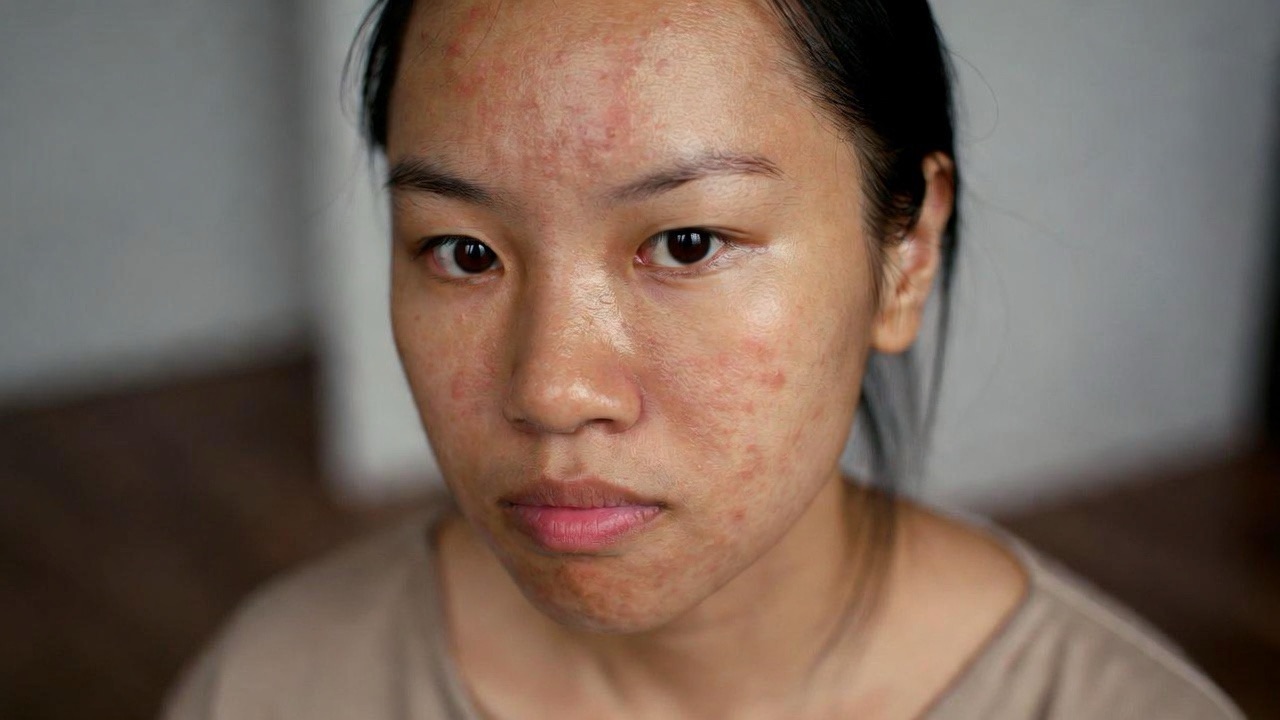
Acne is a chronic inflammatory disorder of the pilosebaceous unit (hair follicle and sebaceous gland). It commonly affects adolescents and young adults, but may persist into adulthood.
Definition
Acne is a multifactorial disease of hair follicles and sebaceous glands characterized by:
- Comedones (blackheads and whiteheads)
- Papules
- Pustules
- Nodules
- Cysts
Types of Acne
- Acne vulgaris – Most common form
- Acne conglobata – Severe nodular acne
- Acne fulminans – Rare, severe inflammatory acne
- Drug-induced acne

Types of Acne Lesions
Non-inflammatory lesions:
- Open comedones (blackheads)
- Closed comedones (whiteheads)
Inflammatory lesions:
- Papules
- Pustules
- Nodules
- Cysts

Epidemiology
- Affects approximately 85% of adolescents worldwide.
- Persistent or late-onset acne is more common in adult females.
Etiology
- Androgen-mediated increased sebum production
- Abnormal follicular keratinization
- Colonization with Cutibacterium acnes
- Inflammatory mediators within the follicle
Pathophysiology
- Androgens stimulate sebaceous gland enlargement and excess sebum secretion.
- Hyperkeratinization causes follicular plugging.
- Bacterial proliferation triggers inflammation.
- Follicular rupture may result in deeper lesions.
Clinical Features
- Commonly affects face, chest, back, and shoulders.
- Severity ranges from mild comedonal acne to severe nodulocystic acne.
Severity Grading
- Mild: Mainly comedones with few papules
- Moderate: Increased inflammatory lesions
- Severe: Nodules, cysts, and scarring
Risk Factors
- Pubertal hormonal changes
- Genetic predisposition
- Stress
- Cosmetics
- Certain medications
Complications
- Post-inflammatory hyperpigmentation
- Permanent scarring
- Psychological impact (anxiety, depression)
Hormonal Influence
- Androgens increase sebaceous gland activity.
- May worsen during menstrual cycles.
- Associated with endocrine disorders such as PCOS.
Diet and Acne
- High glycemic index diets may worsen acne.
- Excess dairy intake may increase severity in some individuals.
Diagnosis
Diagnosis is primarily clinical based on lesion type and distribution. Hormonal evaluation may be needed in resistant cases.
Management Overview
- Treatment depends on severity.
- Combination therapy often gives better results.
- Early treatment reduces risk of scarring.
General Preventive Measures
- Gentle cleansing
- Avoid comedogenic products
- Ensure treatment adherence
- Patient education