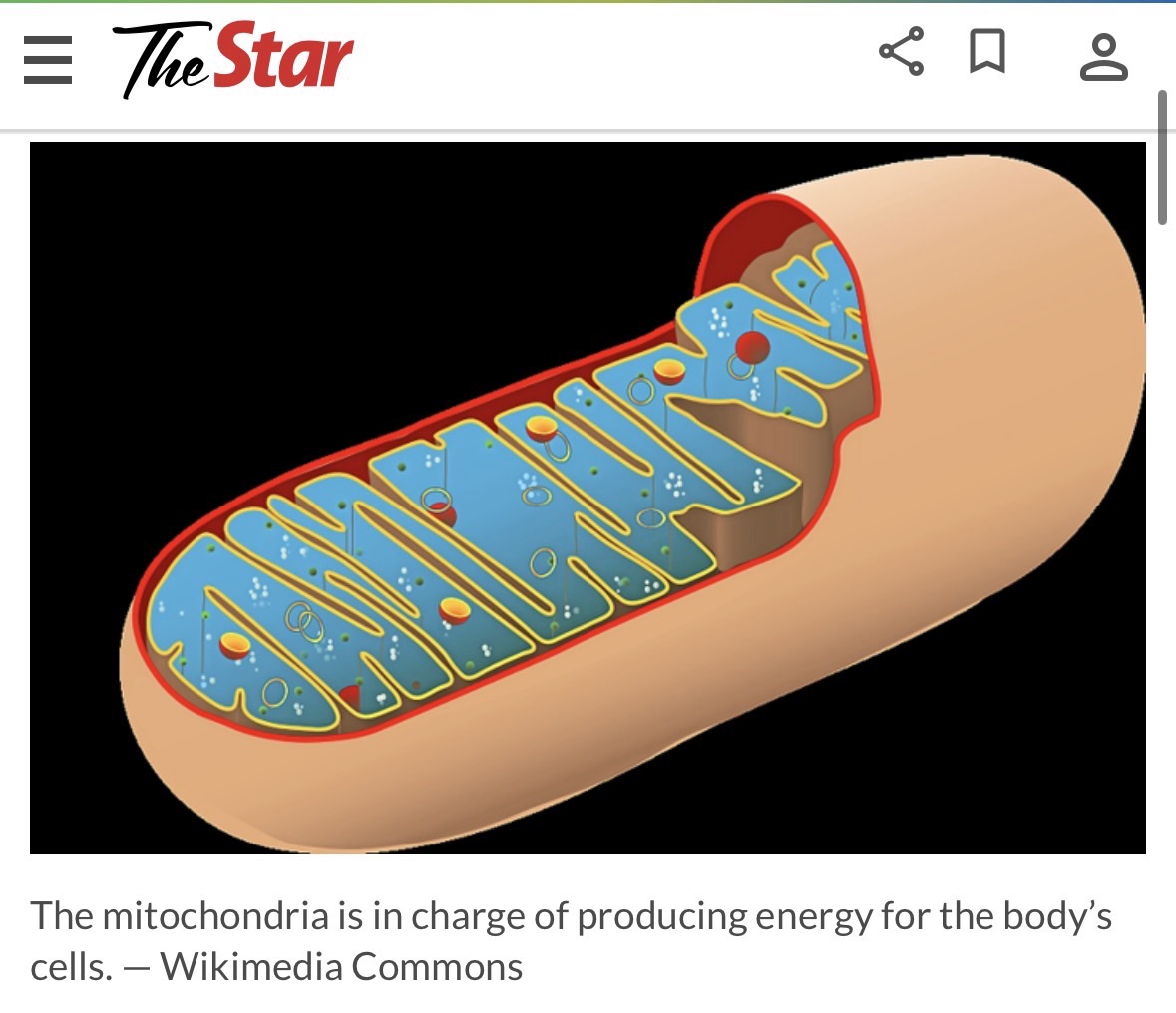
A study from the University of Cologne in Germany reveals that a common dietary amino acid, leucine, protects mitochondrial proteins, improving their performance.

MD Keto Malaysia | #1 Shop for Keto, Low-Carb & Diabetic-Friendly Foods
A study from the University of Cologne in Germany reveals that a common dietary amino acid, leucine, protects mitochondrial proteins, improving their performance.
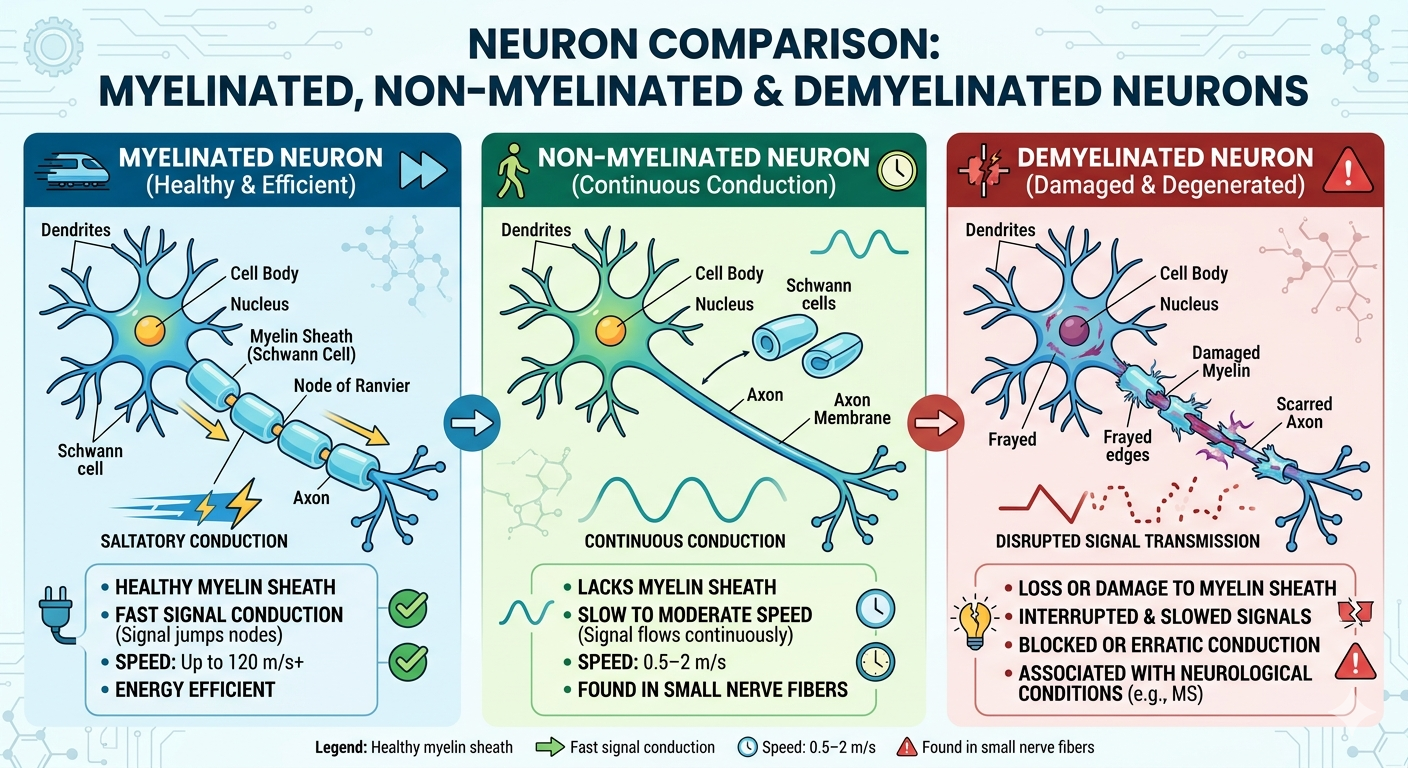
The human brain is the most cholesterol-rich organ in the body. A huge portion of that fat isn’t there for storage; it is actively working as a specialized, high-tech insulation system for your nervous system.
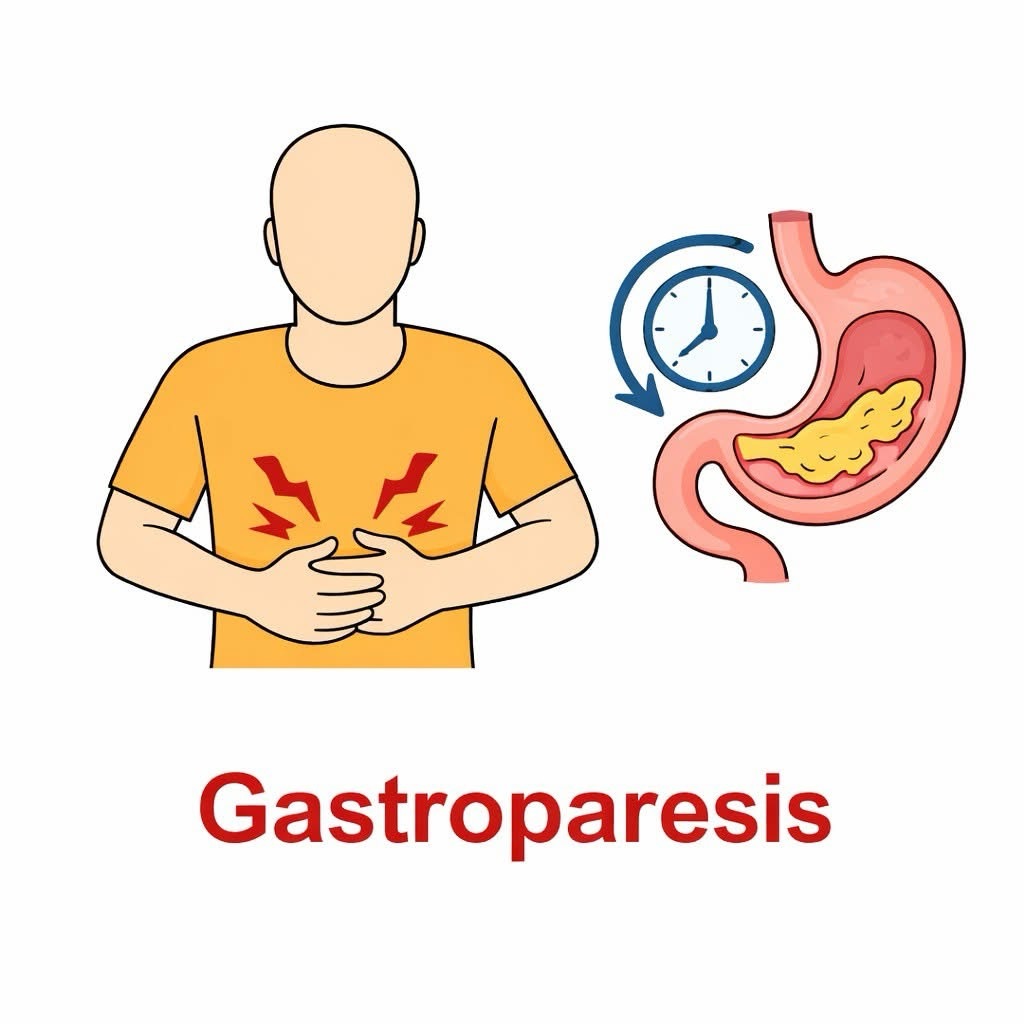
Gastroparesis affects how the stomach processes food, causing slow emptying and leading to nausea and discomfort. Common causes include diabetes and nerve damage, while treatment involves diet changes and medications. Preventive measures focus on managing blood sugar levels.

Dementia is a serious condition that affects memory, thinking, and behavior, not just a normal part of aging. Early symptoms include forgetting recent conversations and losing track of time. Treatments exist to manage symptoms, but prevention through

Diarrhea, a frequent yet manageable health issue, impacts people of all ages, often caused by infections, contaminated food, or unsafe water. Key symptoms include frequent loose stools, abdominal cramps, and nausea. Early hydration and proper hygiene are crucial to prevent dehydration and complications. Seek medical attention if symptoms persist.
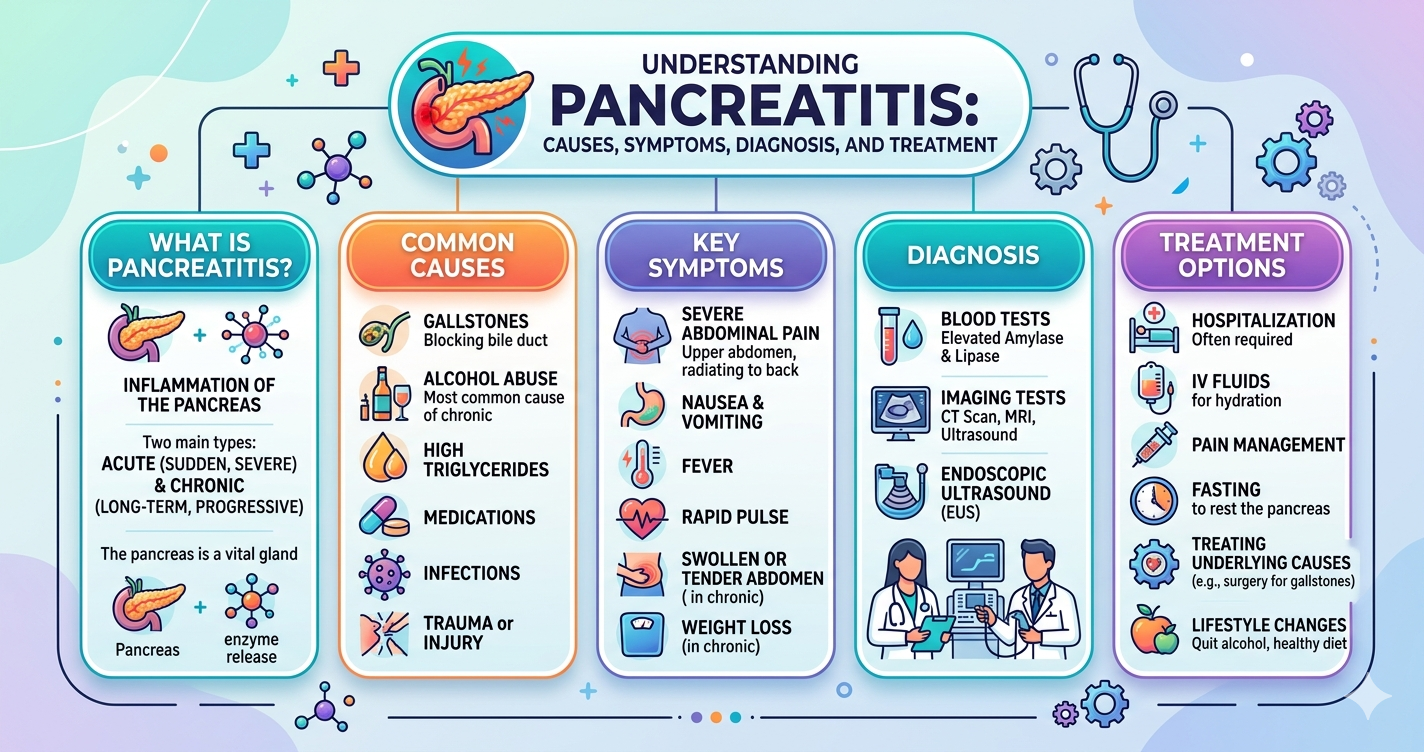
Pancreatitis, an inflammation of the pancreas, can range from mild to severe, potentially life-threatening without early treatment. It plays a crucial role in digestion and blood sugar regulation, and inflammation can damage digestive enzymes. Common causes include gallstones and heavy alcohol consumption.
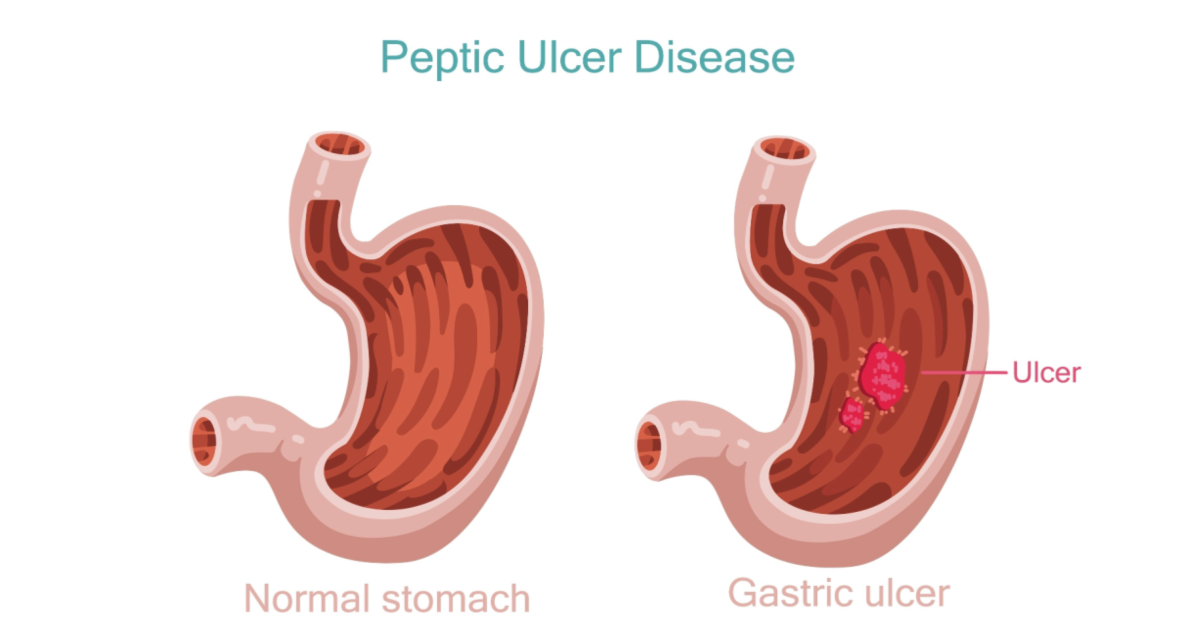
Peptic ulcers, often caused by H. pylori infection or long-term NSAID use, can lead to discomfort and complications if untreated.
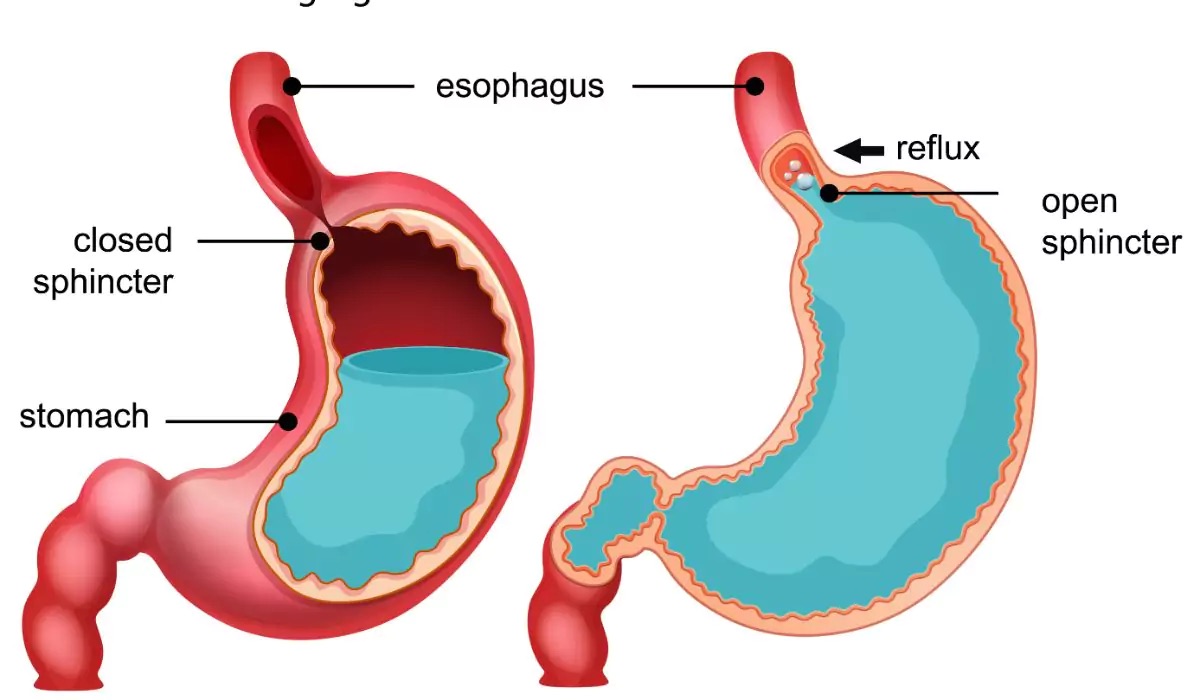
Gastroesophageal Reflux Disease (GERD) occurs when stomach acid flows back into the esophagus, causing irritation and discomfort. This common condition affects people of all ages and can lead to serious complications if untreated.
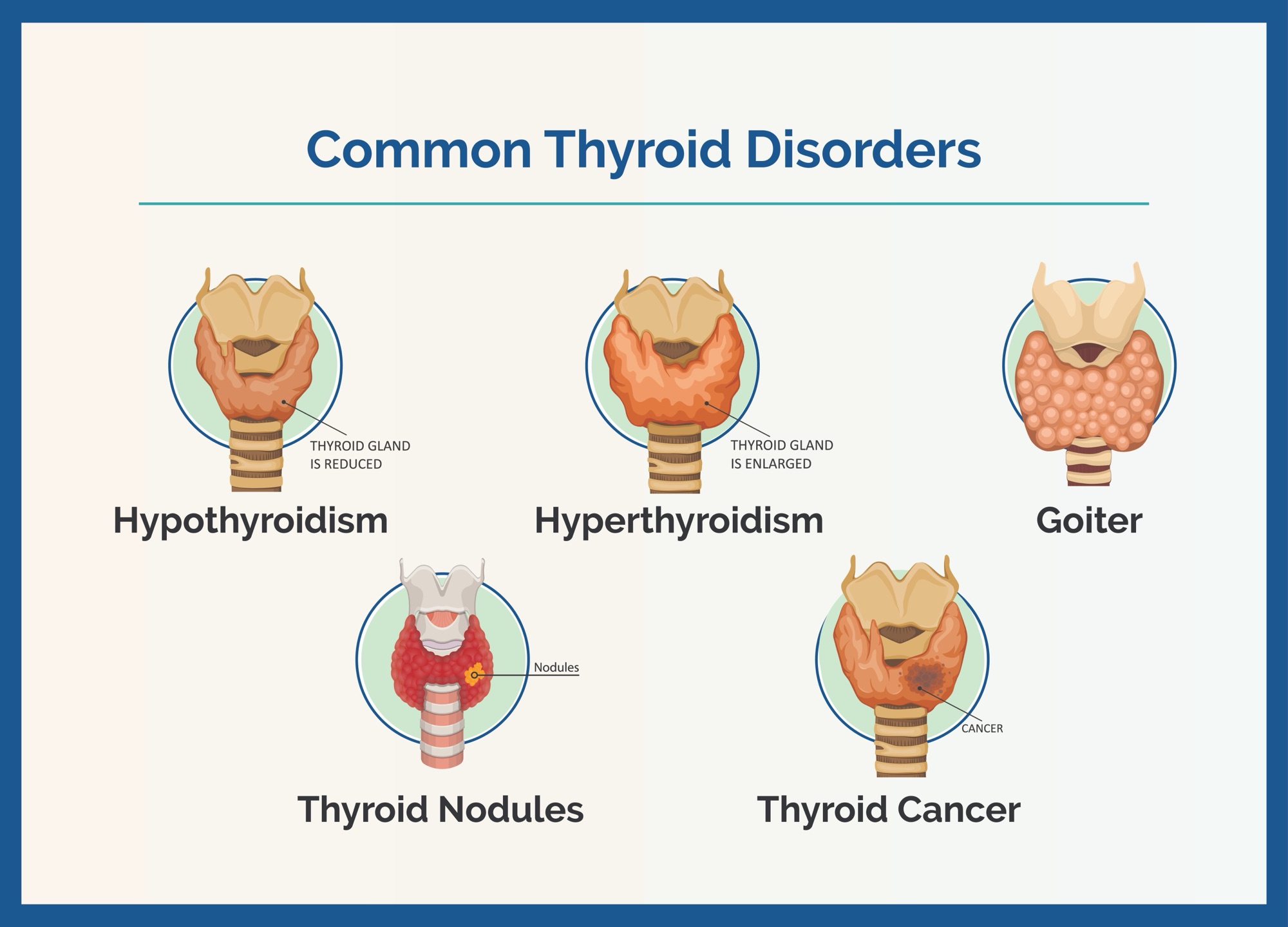
Thyroid disorders can significantly impact your metabolism and energy levels. From hypothyroidism to hyperthyroidism, understanding these conditions is crucial for maintaining overall health. Regular checkups and proper management can help prevent these imbalances.