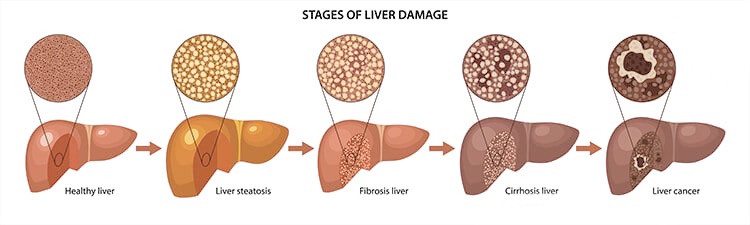

NAFLD (Non-Alcoholic Fatty Liver Disease) is a silent but dangerous epidemic, affecting nearly 1 in 3 adults worldwide — including those who never drink alcohol. The disease is mainly driven by: But the hopeful truth is: NAFLD is often reversible, especially through nutrition. One of the most powerful interventions is a low-carb, high-fat (LCHF) diet […]

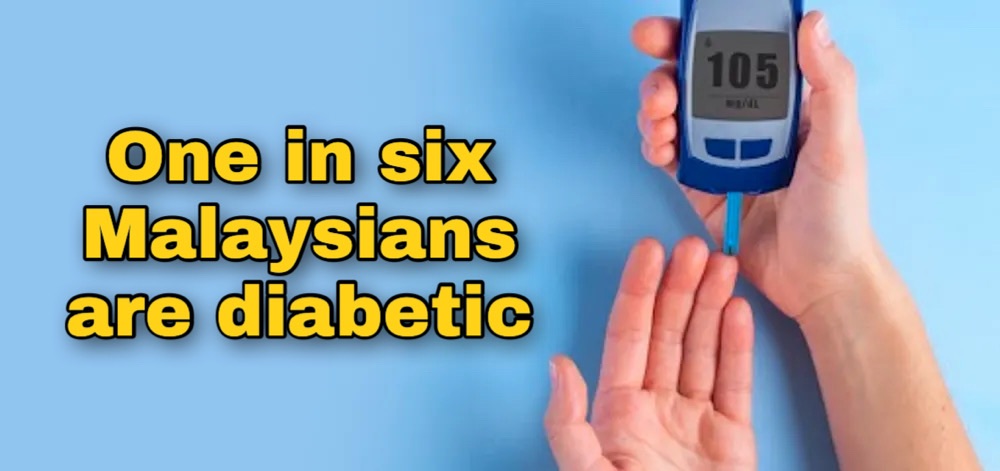
📊 Overview: Why This Report Matters The National Diabetes Registry (NDR) 2023, published by the Ministry of Health Malaysia, offers a sobering look at the state of type 2 diabetes in our country. With over 1.95 million Malaysians enrolled and only about one-third achieving safe blood sugar targets, this is a clear signal: what we’re

National Diabetes Registry 2023: A Wake-Up Call for MalaysiaRead More »

Fructose is everywhere. From soft drinks and packaged snacks to salad dressings and energy bars, this simple sugar hides in plain sight. It may come from natural sources like fruit and honey, but in modern diets, most fructose comes from processed ingredients like high-fructose corn syrup (HFCS). While fructose might seem innocent—after all, it’s “just

Fructose: The Sweet Deception – What Science Really Says About How Your Body Handles ItRead More »

In July 2025, ScienceDaily published an article based on a study by the University of Colorado Boulder, claiming that the popular sugar substitute erythritol may “damage the brain’s protective blood vessels and increase stroke risk.” This claim quickly stirred public concern, with some people fearing erythritol is a “silent killer.” But should we really worry?

Does Erythritol Really Harm the Brain and Cause Stroke? — A Critical Rebuttal of the 2025 StudyRead More »

Few debates in modern nutrition science are as heated as this: is calorie restriction (CR) or carbohydrate restriction (LCHF) more effective for improving health and extending lifespan? The original article thoughtfully reviewed the evidence and concluded, quite cautiously, that both approaches have merits and limitations. But if we take a broader, more critical perspective, there

Calorie Restriction vs. Carb Restriction: Which Fits the Modern Human Better?Read More »

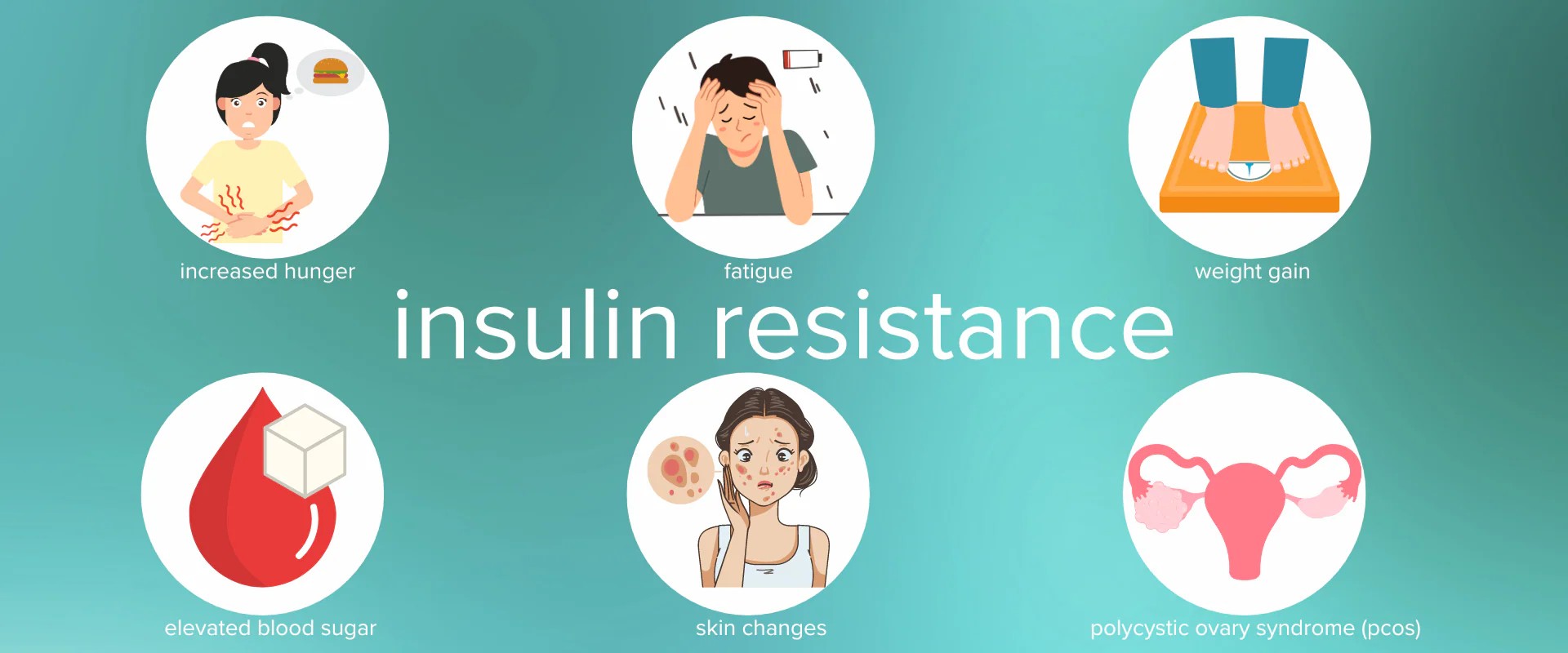
Insulin resistance is a metabolic condition in which the body’s cells respond less effectively to the hormone insulin. Insulin is crucial for regulating blood sugar (glucose) levels, as it helps cells absorb glucose from the bloodstream for energy. When cells become insensitive to insulin, the body requires higher insulin levels to maintain blood sugar, leading

Insulin Resistance: Mechanisms, Symptoms, Consequences, and ManagementRead More »

Insulin resistance lies at the heart of a metabolic cascade that can culminate in type 2 diabetes, cardiovascular disease, kidney failure, and more. Dr. Éric Thorin’s insightful article emphasizes that the combination of excess dietary fat—particularly visceral adiposity—and sugar intake triggers inflammatory processes in the body, disrupting normal glucose regulation  .