
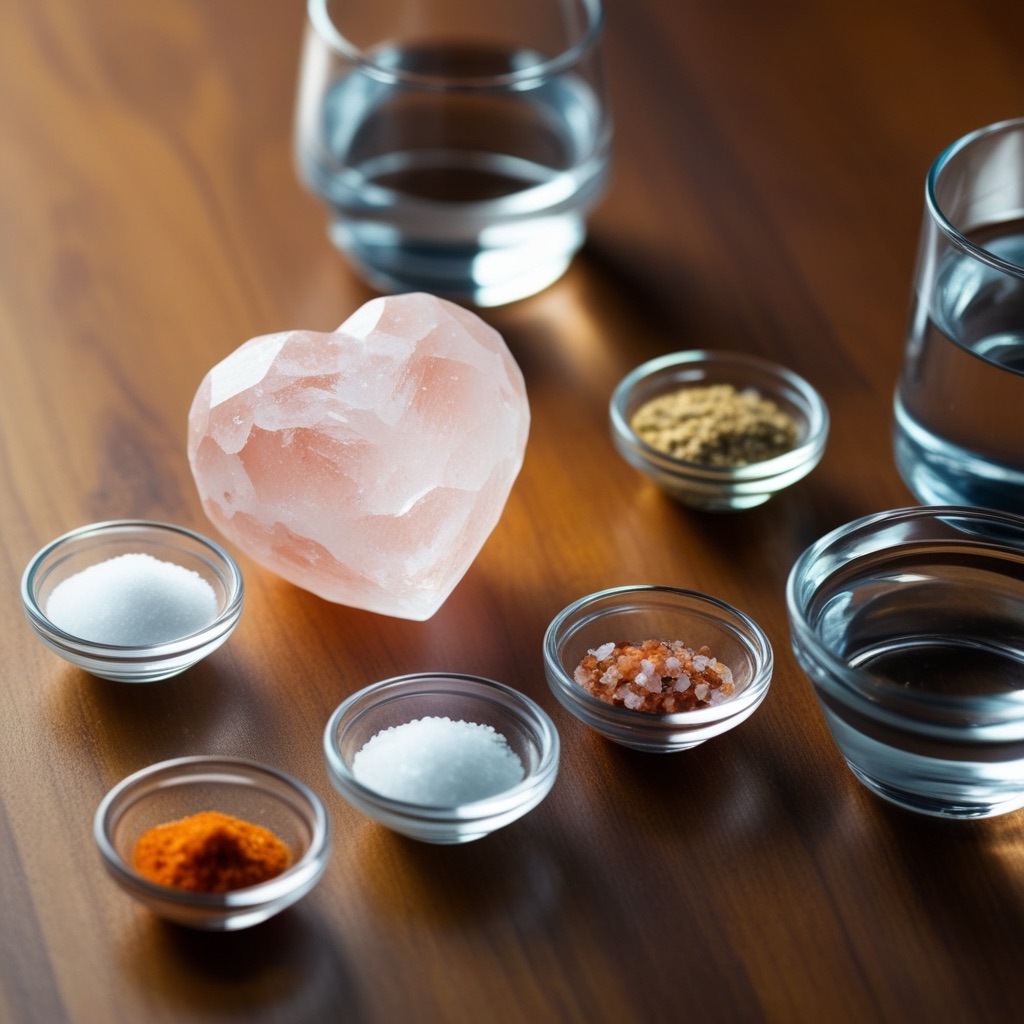
Salt is far more than just a seasoning on our dinner table. Throughout history, salt has shaped economies, driven wars, preserved food, and sustained life itself. Today, modern health discussions often demonize salt, yet without it — and the essential minerals that come with it — life would not be possible.
In this article, we’ll explore why salt and minerals are so vital, their fascinating history, the roles they play in our bodies, and what happens when we don’t get enough.
📜 A Brief History of Salt — Humanity’s White Gold
For thousands of years, salt was so valuable that it was used as currency. Roman soldiers were sometimes paid in salt — giving us the word salary. Ancient civilizations built trade routes and waged wars over salt supplies. It wasn’t just for taste — it was essential for preserving food before refrigeration, keeping armies and explorers alive on long journeys.
In short, salt was — and still is — a foundation of human survival.
⚙️ The Roles of Salt in Human Life
Salt is chemically known as sodium chloride (NaCl). When dissolved in water, it splits into sodium (Na⁺) and chloride (Cl⁻) ions. These ions are electrically charged particles that your body uses for many essential processes:
- Maintaining fluid balance — regulating how much water stays inside or outside your cells.
- Nerve transmission — allowing nerve cells to send signals to muscles and the brain.
- Muscle contraction — including the beating of your heart.
- Nutrient absorption — aiding in the transport of glucose and amino acids in the gut.
Without salt, our body’s electrical and fluid systems would collapse.
❤️ The Importance of Salt for Heart Health
Your heart is a powerful muscle that beats over 100,000 times a day — and every single beat relies on sodium, potassium, and other electrolytes to generate the electrical signals that trigger contractions.
- Regulating heart rhythm: Sodium and potassium work in balance to maintain a steady heartbeat. Too little sodium can cause dangerously low blood pressure, dizziness, and even heart failure in extreme cases.
- Supporting blood volume: Sodium helps the body retain the right amount of water in the bloodstream, ensuring your heart has enough volume to pump effectively.
- Preventing arrhythmias: An imbalance of electrolytes, especially sodium, potassium, and magnesium, can lead to irregular heartbeats that may be life-threatening.
While excessive sodium intake can raise blood pressure in salt-sensitive individuals, too little sodium is equally dangerous — and may increase the risk of heart problems by reducing blood flow and causing hormone imbalances.
🧪 The Essential Minerals: Sodium, Chloride, Potassium, and Magnesium
While sodium and chloride are the main components of salt, our bodies also rely on other key electrolytes, especially potassium and magnesium.
1. Sodium (Na⁺)
- Maintains blood pressure and fluid balance.
- Supports muscle and nerve function.
- Helps regulate pH levels in the blood.
Deficiency symptoms: fatigue, dizziness, confusion, muscle cramps, low blood pressure.
2. Chloride (Cl⁻)
- Works with sodium to control fluid balance.
- Aids in digestion by forming stomach acid (hydrochloric acid).
Deficiency symptoms: weakness, loss of appetite, dehydration, digestive problems.
3. Potassium (K⁺)
- Balances sodium’s effects to keep blood pressure healthy.
- Essential for heart rhythm and nerve impulses.
- Supports muscle contractions.
Deficiency symptoms: irregular heartbeat, muscle weakness, fatigue, constipation.
4. Magnesium (Mg²⁺)
- Supports over 300 biochemical reactions in the body.
- Helps produce energy, maintain muscle and nerve function.
- Plays a role in bone health and blood sugar control.
Deficiency symptoms: muscle cramps, anxiety, irregular heartbeat, numbness, fatigue.
🚨 What Happens When We Lack These Minerals?
When you’re low on electrolytes, your body can’t maintain its normal balance of fluids and electrical signals. This can lead to:
- Severe dehydration
- Low blood pressure
- Muscle spasms or cramps
- Weakness or confusion
- Dangerous heart rhythm disturbances
In extreme cases, severe electrolyte imbalances can be life-threatening.
💧 Why Drinking Water Matters — Dilution and Balance
Minerals are crucial, but balance is key. If you consume a lot of salt without enough water, it can lead to dehydration. Water helps dilute minerals in the bloodstream, preventing excess concentration that could strain your kidneys or heart.
On the other hand, drinking too much plain water without minerals can also be dangerous, as it can dilute your electrolyte levels — a condition called hyponatremia.
🥵 Replenishing After Sweating or Urination
Sweating, urinating, vomiting, or diarrhea all cause a loss of water and minerals. That’s why athletes, outdoor workers, or anyone in hot climates often feel weak or dizzy if they don’t replenish electrolytes.
A simple, effective way to restore balance is by drinking electrolyte-rich fluids or lightly salted water. Coconut water, mineral water, or homemade electrolyte drinks can help replace sodium, potassium, magnesium, and chloride.
✅ Key Takeaways
- Salt is essential for life — historically and biologically.
- Sodium, chloride, potassium, and magnesium are critical electrolytes for nerve function, muscle contraction, and fluid balance.
- Salt plays a direct role in heart rhythm, blood volume, and preventing arrhythmias.
- Both too much and too little salt can harm health — balance is vital.
- Always pair salt intake with adequate water.
- After heavy sweating or fluid loss, replenish electrolytes to maintain energy, hydration, and overall health.
💡 Final Word: Salt is not the enemy — it’s a vital nutrient. The real danger lies in imbalance. Respect salt, respect minerals, and respect your body’s need for proper hydration.