
For decades, health advice has told us to “eat less meat” and swap it for grains or plant-based foods. Meat has been blamed for heart disease, cancer, and early death. But a new large-scale study published in Applied Physiology, Nutrition, and Metabolism takes a serious look at the evidence—and the results tell a very different story.
📊 What Did the Study Find?
Researchers followed nearly 16,000 U.S. adults for years, tracking their diets and health outcomes. Here’s what they discovered:
Protein doesn’t increase risk — Eating more protein, from either plants or animals, was not linked to dying sooner. Animal protein may lower cancer risk — Higher intake of animal protein was actually tied to a slightly lower risk of cancer death. IGF-1 isn’t a concern — This growth factor, often blamed for cancer, showed no connection with early death.
In other words: meat is safe, and it may even be protective.
🥩 Why This Matters for Low-Carb and Meat-Based Diets
Low-carb and ketogenic diets naturally prioritize protein and fat over carbohydrates. Critics worry that eating steak, eggs, or chicken might harm health in the long run. But this study shows the opposite:
Meat doesn’t shorten life—it may help extend it. Protein is essential for muscle, metabolism, and healthy aging. Animal foods deliver nutrients that plants can’t match (B12, heme iron, zinc, creatine, carnitine).
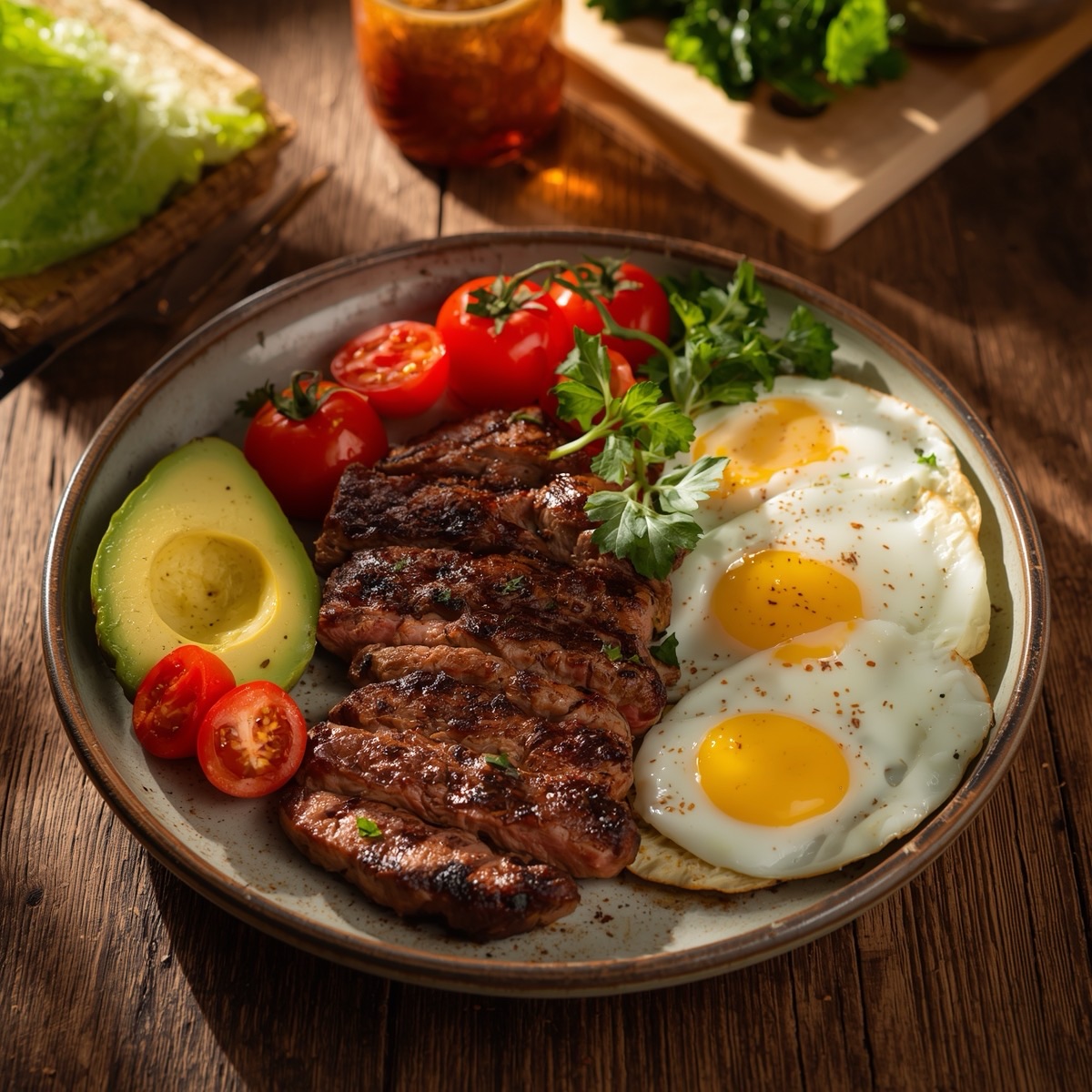
For anyone living a low-carb lifestyle, this study offers strong reassurance that meat belongs at the center of the plate.
🧬 Busting Old Myths
Some older studies suggested that middle-aged adults who ate more protein faced higher cancer risk. But those studies had major flaws: they relied on just one or two days of food recall and used uneven groupings.
This new research fixed those issues by using better methods to measure habitual intake. The scary claims don’t hold up once the data is handled correctly.
🍳 Practical Takeaways
Make meat the foundation of your meals—beef, lamb, chicken, pork, eggs, or fish. Add vegetables and healthy fats to complement your protein, not replace it. Avoid the real health hazards: sugar, refined carbs, and ultra-processed foods. If you’re eating low-carb or carnivore, you’re on the right track—science is backing you up.
⚖️ The Big Picture
This research makes one thing clear: meat is not the problem—it’s part of the solution. For too long, red meat and other animal foods have been unfairly blamed. The evidence here shows the opposite: eating more animal protein is not only safe, it may actually protect against cancer and support long-term health.
If you want strength, energy, and resilience as you age, you need quality protein—and the richest, most bioavailable source comes from meat. Unlike grains or beans, animal foods provide the complete package: high-quality protein plus iron, zinc, B12, creatine, and healthy fats that your body can’t easily get elsewhere.
Instead of cutting back on meat, most people should be eating more of it, not less. Build your meals around steak, eggs, chicken, or fish. That’s how you maintain muscle, keep blood sugar stable, and protect your long-term health.
The real danger to health isn’t meat—it’s sugar, refined carbs, and ultra-processed junk. Meat has nourished humans for millions of years. This study is simply more evidence that it should stay at the center of your plate.
Reference
Animal and plant protein usual intakes are not adversely associated with all-cause, cardiovascular disease–, or cancer-related mortality risk: an NHANES III analysis
https://cdnsciencepub.com/doi/10.1139/apnm-2023-0594?