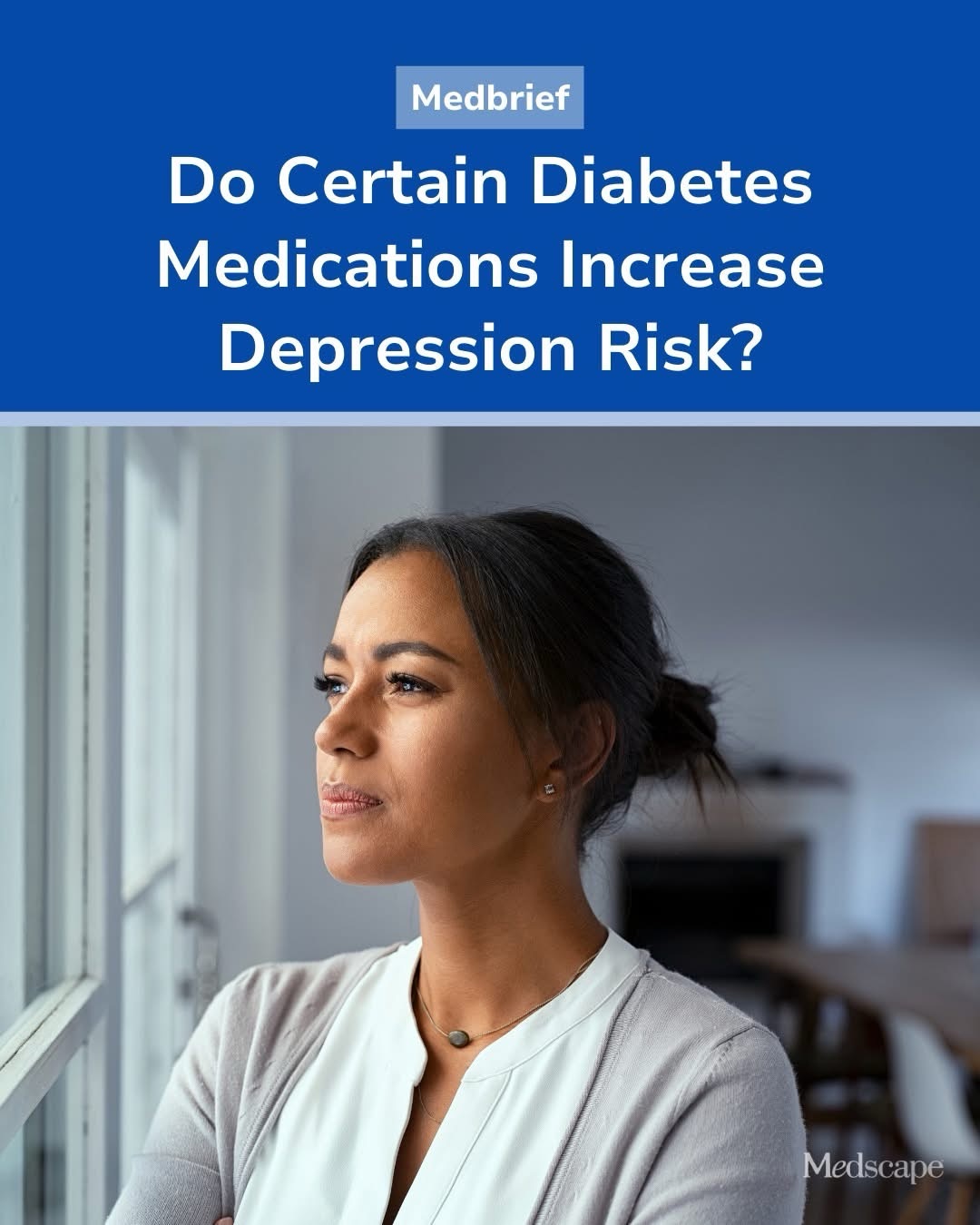
People living with type 2 diabetes carry a higher than usual risk of depression. This isn’t surprising: diabetes affects the body and mind, altering energy, stress levels, eating behavior, and brain chemistry over time. Research now suggests that the type of glucose-lowering drug a person uses may also be associated with differences in the risk

Do Certain Diabetes Medications Affect Depression Risk?Read More »

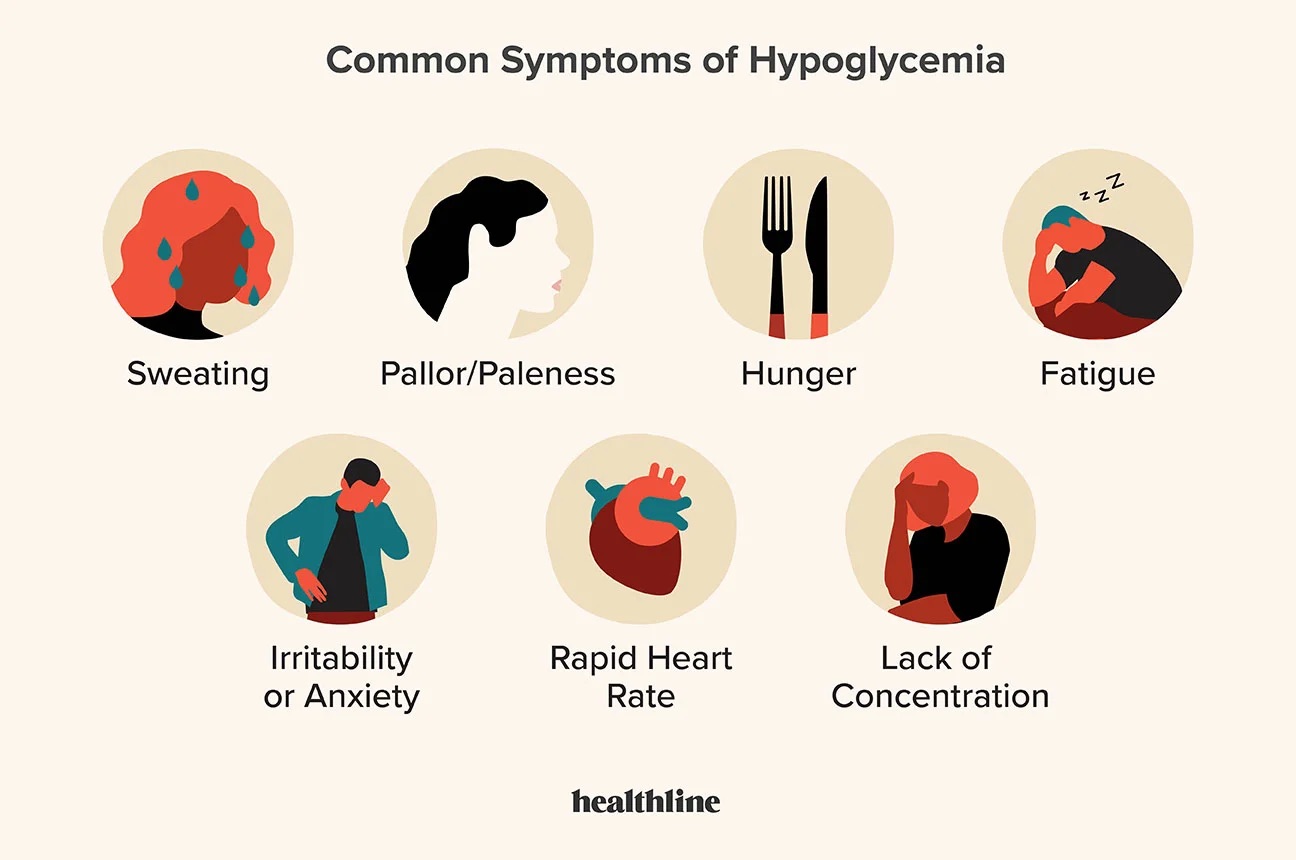
Hypoglycemia refers to a condition where blood glucose (blood sugar) levels fall below normal. While it is most commonly linked to diabetes treatment, it can also occur in people without diabetes. Low blood sugar is not something to ignore. When glucose drops too far, the brain and body are affected quickly. The good news is

Hypoglycemia: When Blood Sugar Drops Too LowRead More »

KUALA LUMPUR: Viral food trends driven by social media are key contributors to the nation’s high sugar intake, according to a nutrition expert. Universiti Putra Malaysia (UPM) Faculty of Medicine and Health Sciences deputy dean Dr Barakatun Nisak Mohd Yusof said the appeal of “hipster” food and evolving digital trends causes Malaysians to unknowingly consume

‘Hipster’ food trends, viral drinks driving Malaysia’s sugar crisis, expert warnsRead More »

Most of us know that too much sugar is bad for the waistline. But what if I told you it’s also bad for your brain? A recent scientific review connects high-sugar diets with serious brain and nervous system conditions, including Alzheimer’s, Parkinson’s, stroke, and mental health disorders. Let’s break down what this means — without

The Bitter Truth About Sugar and Your BrainRead More »

KUALA LUMPUR: The Malaysian Medical Association (MMA) has called for urgent action to curb the rising number of diabetes cases in the country. Recent reports indicate that 21 per cent of Malaysians — or one in five adults — have diabetes. Malaysia ranks 13th in the world and the highest in South-East Asia for diabetes

1 in 5 Malaysians have diabetes; MMA calls for interventionRead More »

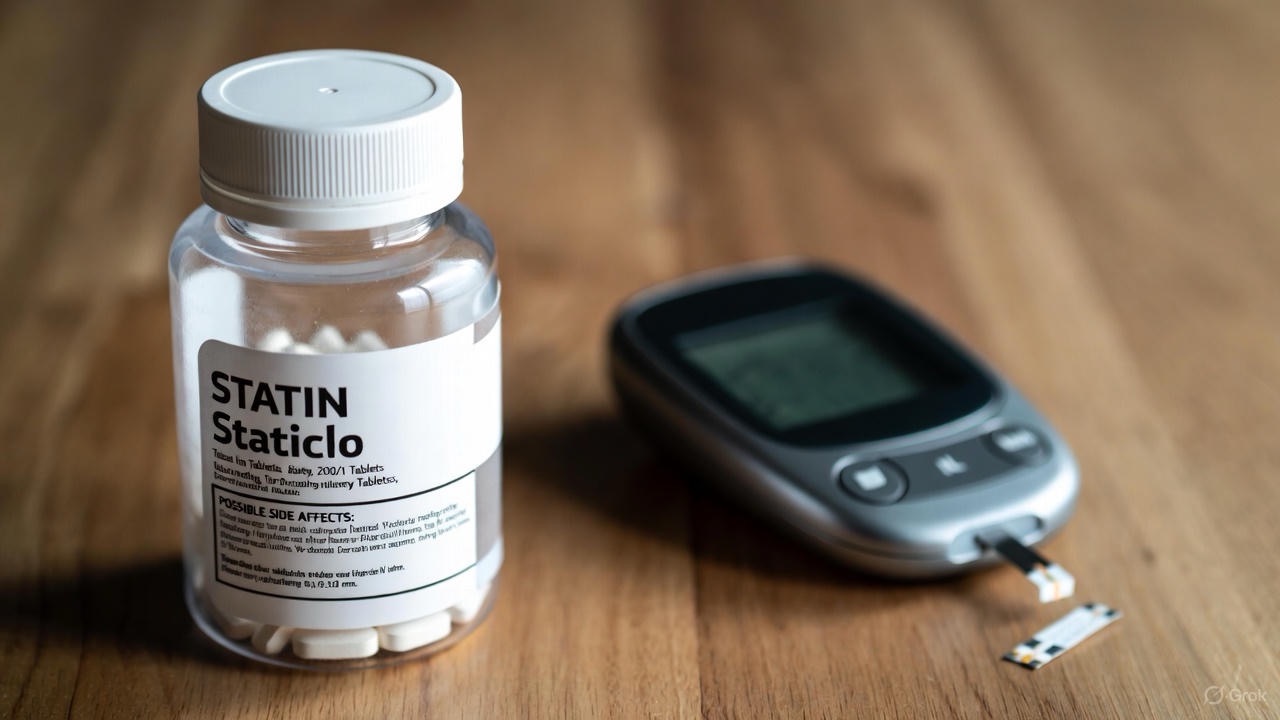
For years, statins have been promoted as the “heart protector.” They’re among the most prescribed drugs in the world, given to millions to lower cholesterol and prevent heart attacks. But behind the promise lies a growing concern — one backed by solid research. A large Korean study has shown that statins can significantly raise your

⚠️ The Hidden Side of Statins: How Cholesterol Drugs Can Raise Diabetes RiskRead More »

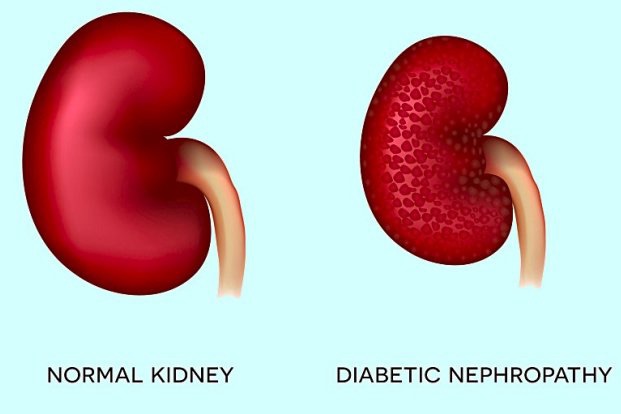
Diabetes is a long-term condition where blood sugar levels remain higher than normal. Over time, this excess glucose silently damages small blood vessels throughout the body — especially those in the kidneys. Your kidneys act like natural filters, removing waste and excess fluid from the blood. When these filters are damaged, toxins and protein start

🩸 Diabetes and Kidney Health: Protecting Your Body’s Natural FiltersRead More »

— The Forgotten Lesson from Britain’s “Sugar-Free Decade” During World War II, sugar was no longer a luxury — it became a rarity. Between 1942 and 1953, British citizens were limited to about 8 ounces (roughly 225 grams) of sugar per week. This meant no soft drinks, limited desserts, and rare sweets. Entire generations grew

🧁 When Less Sugar Meant Better Health: What the UK’s Wartime Rationing RevealedRead More »