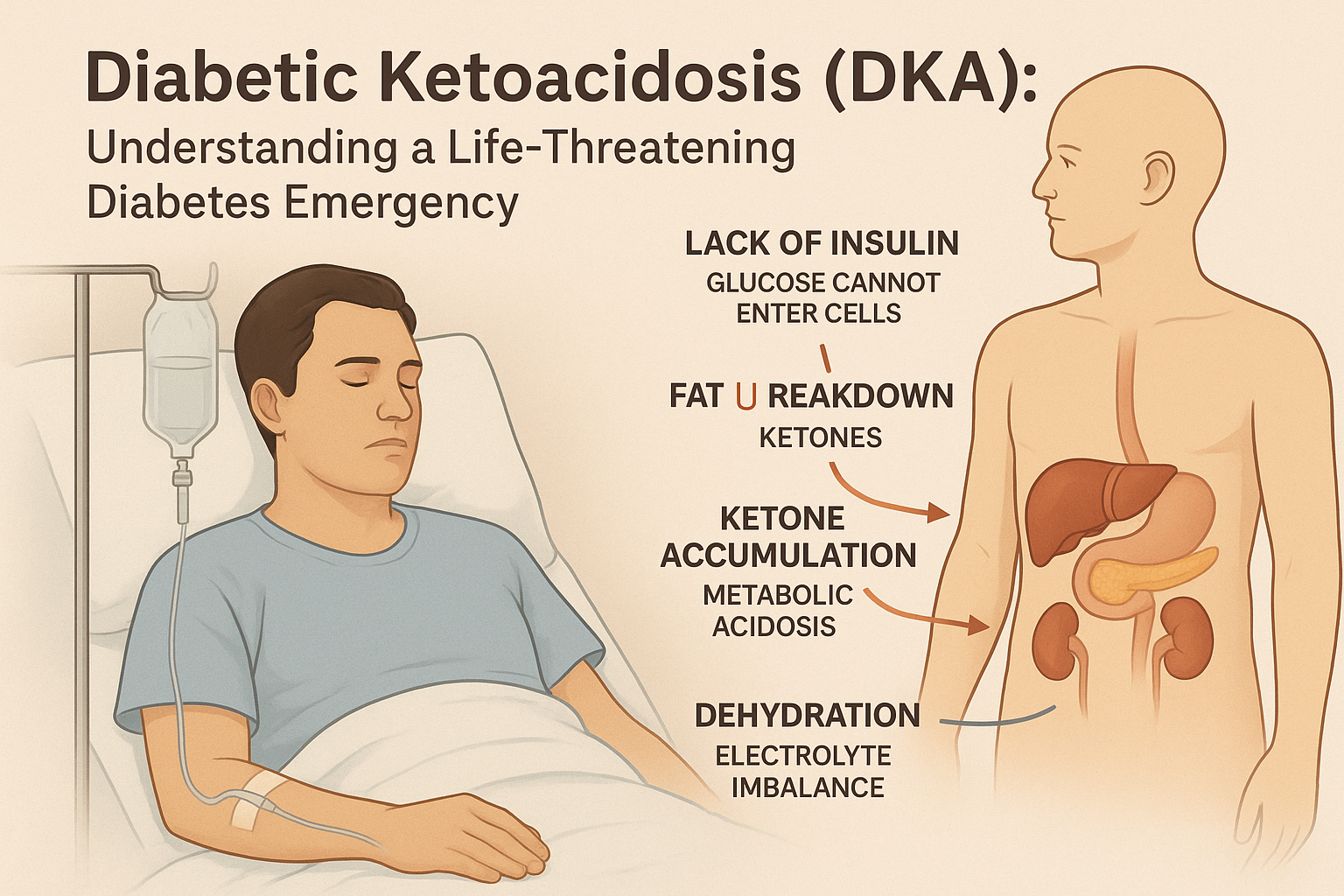
Diabetic Ketoacidosis (DKA) is one of the most serious and potentially life-threatening complications of diabetes. It occurs when the body lacks enough insulin to allow glucose to enter cells, forcing it to break down fat for energy. This process produces ketones—acidic compounds that can build up in the blood and cause dangerous chemical imbalances.

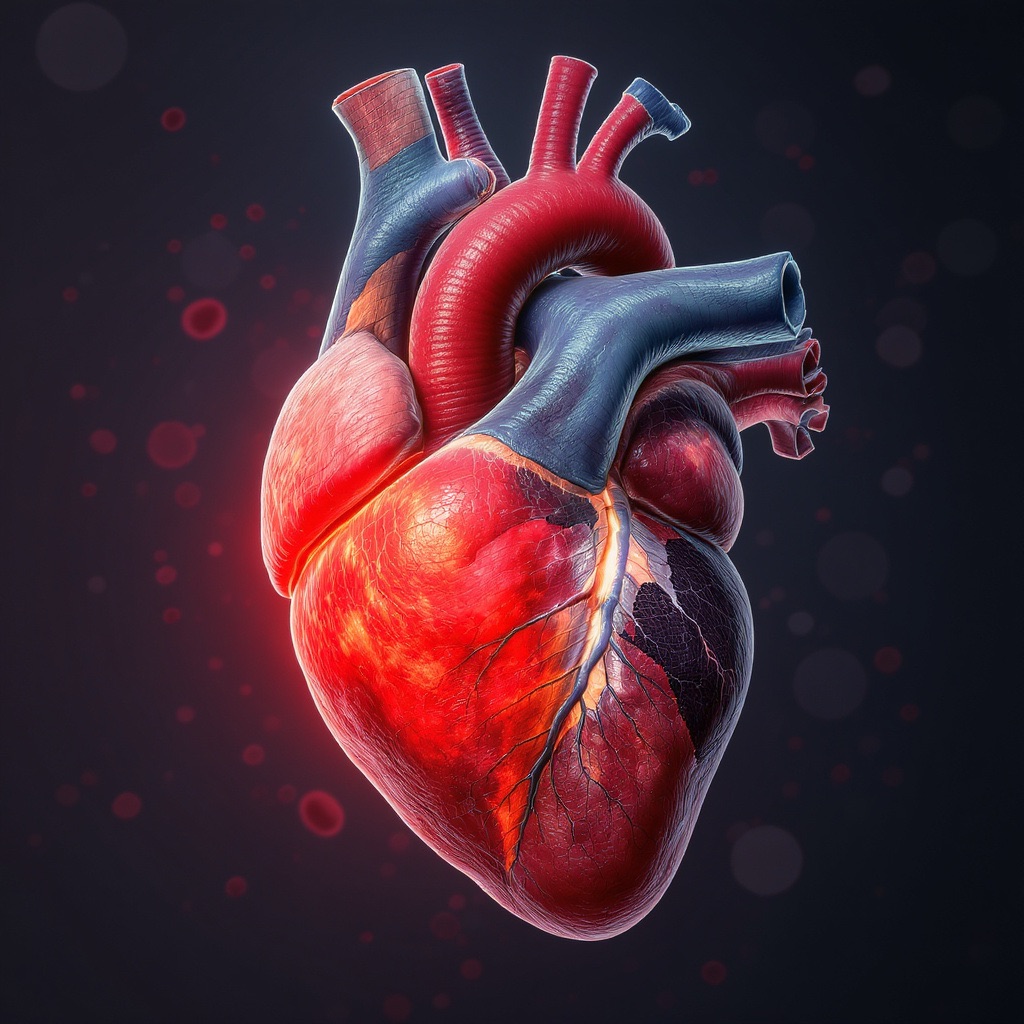
If you live with diabetes, you’ve probably heard doctors warn about the higher risk of heart problems. Sadly, heart failure is one of the most common and serious complications. But here’s the real question: why does diabetes make a failing heart even weaker? Until recently, most of what we knew came from animal studies or

Why Diabetes Makes Heart Failure Worse — And What Scientists Just Discovered Inside the Human HeartRead More »

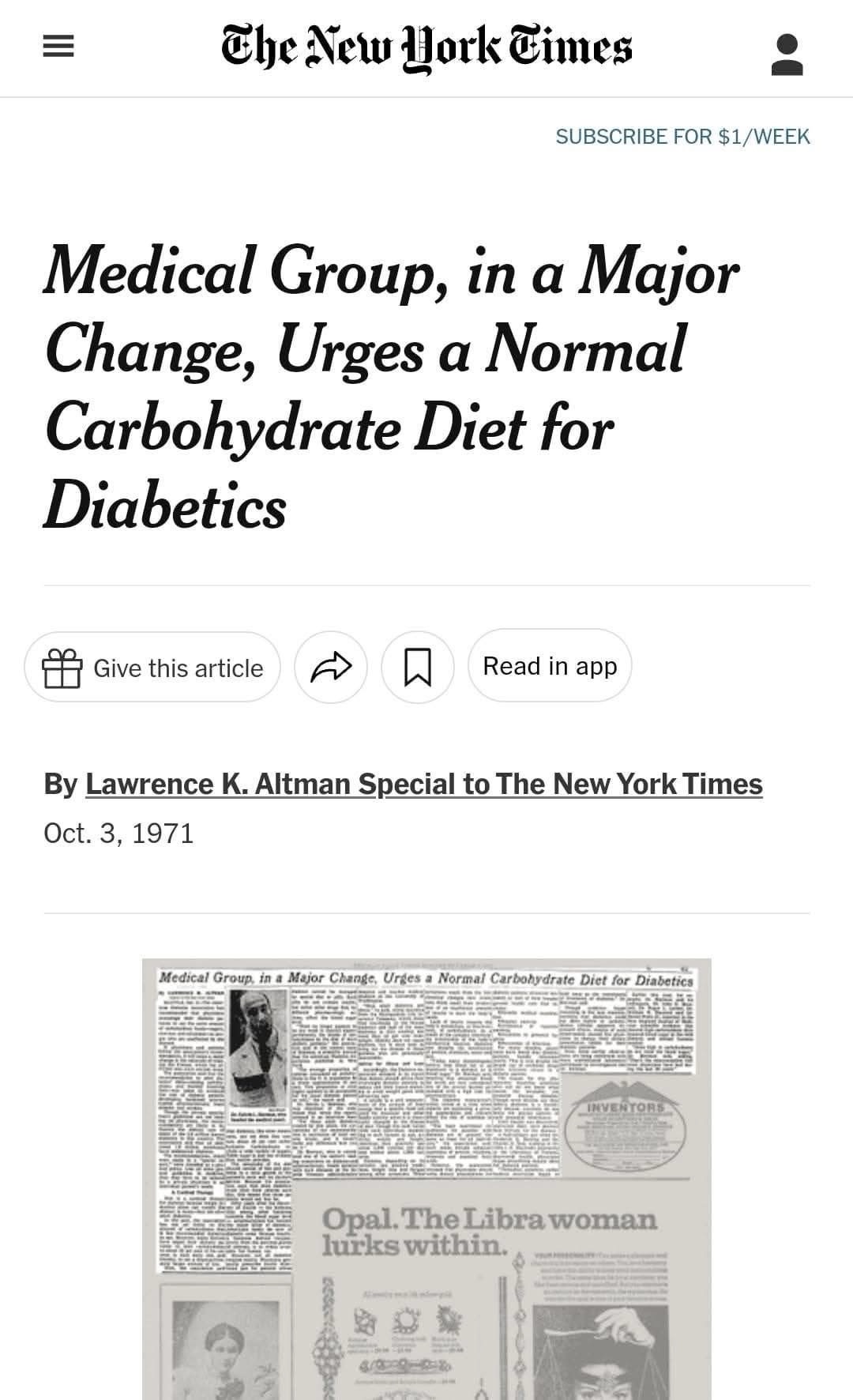
By Lawrence K. Altman Special to The New York TimesOct. 3, 1971Credit…The New York Times ArchivesSee the article in its original context fromOctober 3, 1971, About the ArchiveThis is a digitized version of an article from The Times’s print archive, before the start of online publication in 1996. To preserve these articles as they originally

Medical Group, in a Major Change, Urges a Normal Carbohydrate Diet for DiabeticsRead More »

Life-changing habits often begin with small choices—such as how we prepare our everyday foods. A recent study at August 2025 from Harvard T.H. Chan School of Public Health brings new clarity: not all potatoes are created equal, especially when it comes to the risk of type 2 diabetes. The key question isn’t simply whether potatoes

How Potato Preparation Affects Diabetes Risk—and Why Low-Carb Diet MattersRead More »

When it comes to diabetes management, some academic papers remain cautious, waiting for “more evidence” before recommending specific dietary interventions. For example, a recent review on glycemic variability (GV) suggested that while fluctuations in blood sugar may contribute to complications, the exact role of GV is still unclear, and therefore more long-term studies are needed.

Why Low-GI and Low-Carb, High-Fat Diets Can Dramatically Improve Diabetes – A Science-Based RebuttalRead More »

📊 Overview: Why This Report Matters The National Diabetes Registry (NDR) 2023, published by the Ministry of Health Malaysia, offers a sobering look at the state of type 2 diabetes in our country. With over 1.95 million Malaysians enrolled and only about one-third achieving safe blood sugar targets, this is a clear signal: what we’re

National Diabetes Registry 2023: A Wake-Up Call for MalaysiaRead More »

Fructose is everywhere. From soft drinks and packaged snacks to salad dressings and energy bars, this simple sugar hides in plain sight. It may come from natural sources like fruit and honey, but in modern diets, most fructose comes from processed ingredients like high-fructose corn syrup (HFCS). While fructose might seem innocent—after all, it’s “just

Fructose: The Sweet Deception – What Science Really Says About How Your Body Handles ItRead More »

When you look closely at the human pancreas, its design and priorities become obvious — and humbling. The pancreas is an elegant organ that supports both digestion and blood sugar regulation. Yet modern eating habits, especially high-carbohydrate diets, are completely misaligned with how this organ was built to function. Here’s what the science of histology

Stop Abusing Your Pancreas: What Histology and Physiology Tell UsRead More »

A refusal to embrace simplicity in taste — and an unbridled craving for sweetness — is a deeply concerning phenomenon. Perhaps fueled by the influence of popular culture, we have come to equate all feelings of joy with the word sweet. From early childhood, as the human brain develops, the equation of happiness with sweetness

The Peril of Rejecting the Bland and Craving Only SweetnessRead More »