
Hypoglycemia refers to a condition where blood glucose (blood sugar) levels fall below normal. While it is most commonly linked to diabetes treatment, it can also occur in people without diabetes.
Low blood sugar is not something to ignore. When glucose drops too far, the brain and body are affected quickly. The good news is that with proper awareness and management, hypoglycemia is very manageable.
What Causes Hypoglycemia?
Several everyday situations can trigger low blood sugar, especially when the body’s balance between food, activity, and hormones is disrupted.
- Excessive insulin or oral diabetes medications
- Skipping meals or eating too little
- Intense physical activity without enough food
- Alcohol consumption without food
- Certain medications or underlying medical conditions
For some people, hypoglycemia happens repeatedly because the root cause is not properly addressed.
Common Symptoms to Watch For
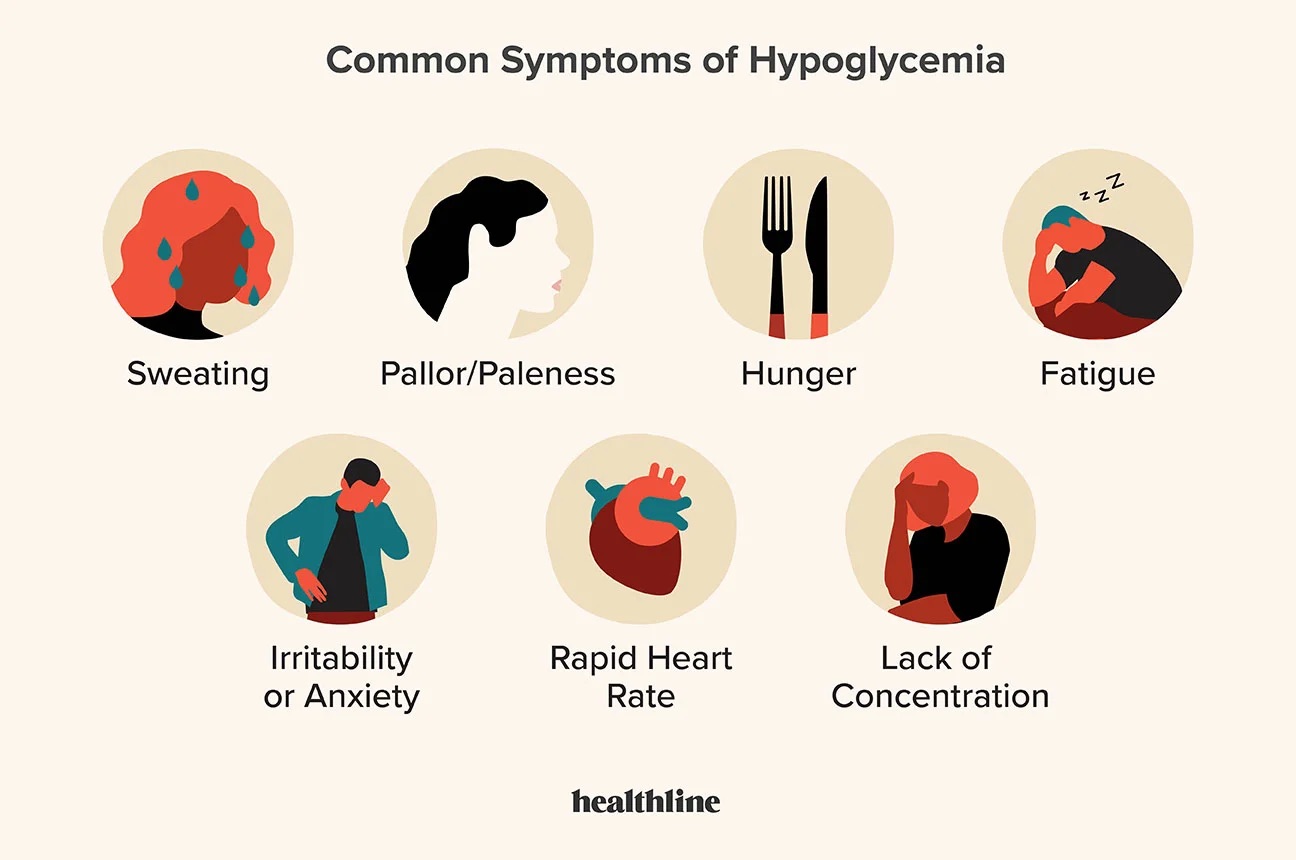
Symptoms can appear suddenly and may vary from person to person. Early signs are often subtle but important.
- Sweating and trembling
- Dizziness or lightheadedness
- Blurred vision
- Strong hunger
- Irritability or mood changes
- Difficulty concentrating or confusion
In severe cases, hypoglycemia can lead to seizures or loss of consciousness. This is why early recognition matters.
How Is Hypoglycemia Diagnosed?
Diagnosis usually involves a combination of symptoms and blood glucose testing.
- Blood glucose level below 70 mg/dL (3.9 mmol/L)
- Whipple’s triad:
- Symptoms of hypoglycemia
- Documented low blood glucose
- Relief of symptoms after glucose intake
- Continuous glucose monitoring for people with frequent episodes
Immediate Treatment: What to Do When Blood Sugar Is Low
When hypoglycemia happens, quick action is essential.
- Consume 15–20 grams of fast-acting carbohydrates (e.g. glucose tablets, fruit juice, honey, sugary drinks)
- Recheck blood glucose after 15 minutes
- Repeat treatment if blood sugar remains low
In severe cases where swallowing is not possible, medical treatment such as a glucagon injection or intravenous glucose may be required.
Identifying the underlying cause is critical to prevent repeated episodes.
Preventing Future Episodes
Prevention often comes down to consistency and awareness.
- Eat regular meals and snacks
- Monitor blood sugar levels consistently
- Adjust insulin or medication under healthcare guidance
- Avoid excessive alcohol, especially without food
- Educate family members or caregivers to recognize early symptoms
Possible Complications If Left Unmanaged
Repeated or severe hypoglycemia can lead to serious consequences:
- Loss of consciousness or seizures
- Accidents or injuries due to confusion or fainting
- Abnormal heart rhythms in severe cases
- Hypoglycemia unawareness, where warning symptoms fade over time
Final Thoughts
Hypoglycemia is serious, but it is also manageable.
With early recognition, proper treatment, and good education, most people can prevent complications and maintain confidence in daily life. Understanding your body’s signals and responding early makes all the difference.