A long-form, reader-friendly scientific guide: intestinal permeability, symptoms including postprandial fullness and early satiety, how LCHF repairs the barrier, how bone broth and fermented foods accelerate healing, and how a stronger gut reduces microplastic absorption.
Introduction
Your gut is a metabolic control center that touches nearly every part of your health. When the intestinal barrier weakens—commonly called “leaky gut”—toxins, inflammatory molecules, bacterial fragments, and even tiny particles like microplastics can slip into the bloodstream. This triggers low-grade inflammation and affects digestion, immunity, metabolism, and even mood. A well-designed low-carb, high-fat (LCHF) approach, supported by bone broth and fermented foods, can rebuild this barrier and restore harmony.
1. What Leaky Gut Really Means
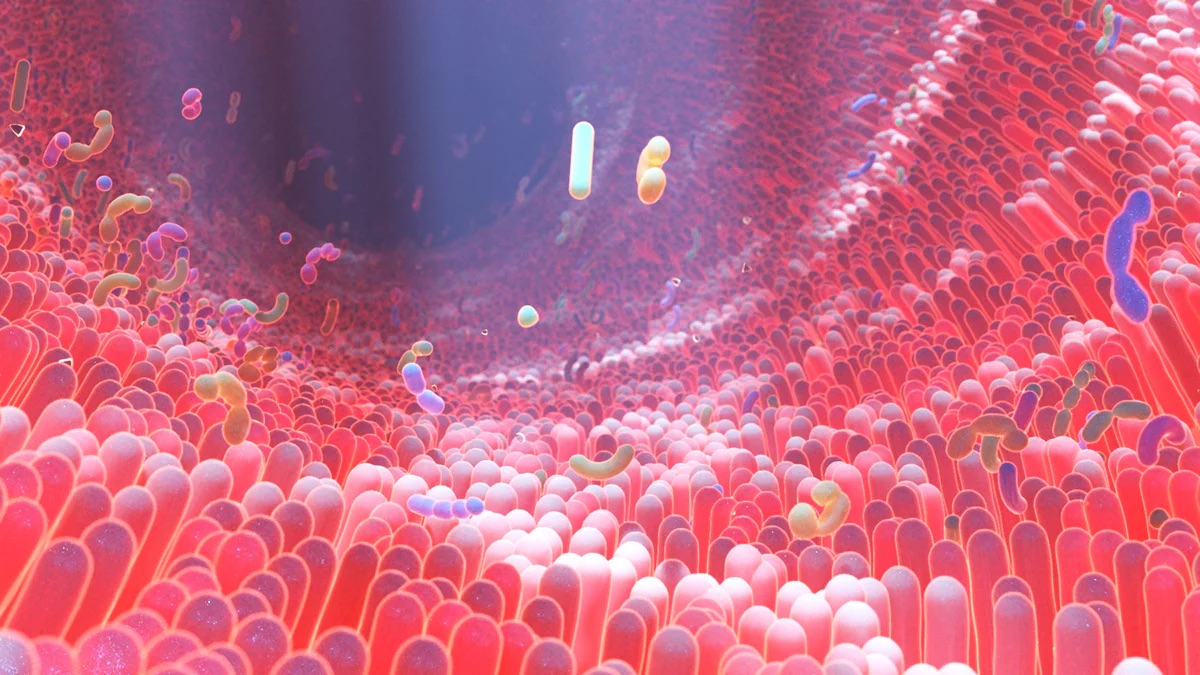
The intestinal lining is a single-cell layer sealed by tight-junction proteins (occludin, claudins, ZO-1). These regulate what enters the bloodstream. When these junctions loosen, larger molecules—including LPS, undigested proteins, microplastics, and toxins—can leak through and activate the immune system.

2. Why Modern Life Damages the Gut Barrier
- High sugar and refined carbs → oxidative stress on epithelial cells
- Industrial seed oils → chronic inflammation
- Stress and poor sleep → cortisol-driven permeability
- Emulsifiers and processed foods → thinning of the mucus layer
- Low collagen intake → poor tissue repair
- Microplastics, pollutants → mechanical irritation and immune activation
- Gut dysbiosis → harmful bacteria produce endotoxins

3. Symptoms of Leaky Gut
Digestive Symptoms
- Bloating, gas, indigestion
- Constipation or diarrhea
- Postprandial fullness — feeling overly full after a small meal
- Early satiety — getting full unusually quickly
- Food sensitivities
Inflammation slows gastric emptying and disrupts gut-brain communication (vagus nerve, GLP-1, ghrelin), producing these fullness symptoms.
Systemic & Metabolic Symptoms
- Fatigue and brain fog
- Skin inflammation
- Joint stiffness
- Weight gain and cravings
- Mood instability
4. How LCHF Helps Repair the Gut Barrier
4.1 Stabilizes glucose and insulin
Low-carb eating minimizes blood sugar spikes, reducing oxidative damage and allowing tight junctions to recover.
4.2 Shapes a healthier microbiome
LCHF supports beneficial species like Akkermansia muciniphila and butyrate-producing bacteria.
4.3 Ketone signaling reduces inflammation
β-hydroxybutyrate inhibits the NLRP3 inflammasome and protects intestinal cells from inflammatory injury.
4.4 Reduces systemic inflammatory load
Lower insulin and visceral fat mean fewer inflammatory cytokines breaking down the gut barrier.
5. How LCHF Reduces Microplastic Absorption
When the gut is inflamed, microplastics (1–5,000 μm) and nanoplastics (<1 μm) can cross the intestinal lining more easily. A repaired gut drastically reduces this risk.
Key mechanisms:
- Restored tight junctions reduce paracellular leaks
- Thicker mucus layer traps and expels particles
- Lower inflammation reduces epithelial “gaps”
- Improved motility shortens mucosal contact time
- Healthy bile flow binds hydrophobic particles
- Ketones support mitochondrial repair in enterocytes
6. Bone Broth: A Foundational Repair Food
Slow-cooked chicken and fish bone broth provides collagen, gelatin, glycine, proline, glutamine, minerals, and glycosaminoglycans—exactly what the gut lining needs to rebuild.
- Collagen & gelatin: structural repair
- Glutamine: primary fuel for intestinal cells
- Glycine: anti-inflammatory
- Minerals: support motility and cell function
Bone broth is ideal for those with early satiety or post-meal fullness because it nourishes without overwhelming the digestive tract.
7. Fermented Foods: Microbiome Medicine
Fermented foods—sauerkraut, kimchi, kefir, yogurt, miso, natto, fermented vegetables—provide beneficial microbes and metabolites that directly improve barrier function.
- Repopulate good bacteria
- Increase SCFAs like butyrate
- Reduce meal-related inflammation
- Improve digestion and gastric emptying
- Strengthen mucus production
Fermented foods work synergistically with LCHF and bone broth to restore resilience.
8. What People Commonly Experience After Repairing the Gut
- Less bloating and discomfort
- Reduced postprandial fullness
- Better mood and clearer thinking
- More stable blood sugar
- Improved skin health

9. Practical Guide
- Reduce sugar and refined carbs
- Use whole-food fats (ghee, butter, olive oil, fatty fish)
- Drink bone broth regularly
- Eat fermented foods daily or every other day
- Increase non-starchy vegetables
- Prioritize sleep and stress management
References
- Turner JR. Intestinal mucosal barrier. Nat Rev Immunol. 2009.
- Cani PD. Metabolic endotoxemia. Diabetes. 2007.
- Fasano A. Zonulin and permeability. Physiol Rev. 2011.
- Youm YH. BHB inhibits NLRP3. Nat Med. 2015.
- Everard A. Akkermansia and mucosal integrity. PNAS. 2013.
- Marco ML. Fermented foods. Nat Rev Gastroenterol Hepatol. 2020.
- Prüst M. Microplastics and the gut. Environ Sci Technol. 2019.
Tags: gut health, LCHF, bone broth, fermented foods, leaky gut, microbiome, inflammation, microplastics