
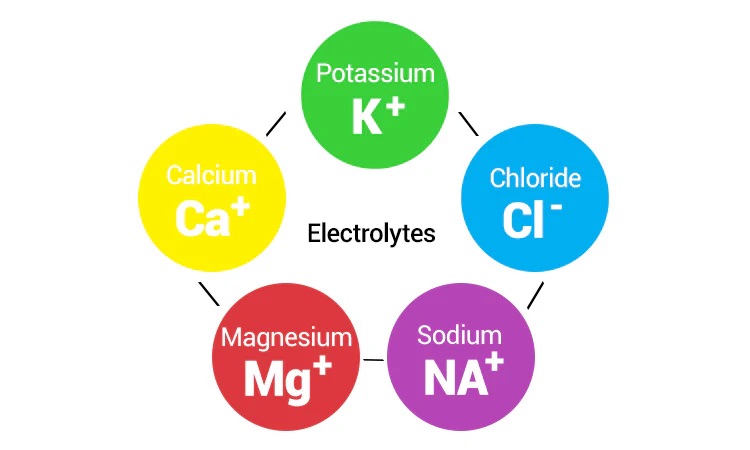
Most people think about health in terms of vitamins, calories, or cholesterol. Very few stop to think about electrolytes—until something goes wrong. Yet every heartbeat, every nerve signal, every muscle movement depends on these tiny charged minerals quietly doing their job.
Serum electrolytes are not trendy. They are not glamorous. But they are absolutely essential.
This article explains what electrolytes are, why they matter, how imbalances happen, what symptoms to watch for, and how doctors and nurses interpret and manage electrolyte disorders.
What Are Electrolytes?
Electrolytes are minerals dissolved in body fluids—such as blood, interstitial fluid, and intracellular fluid—that carry an electrical charge. Because they are charged, they can conduct electricity, which is why they are so critical for communication within the body.
Electrolytes help the body maintain homeostasis, meaning a stable internal environment despite changes in diet, activity, stress, or illness.
They are measured through serum electrolyte tests, which reflect what is circulating in the blood at a given moment.
Why Electrolytes Are So Important
Electrolytes influence almost every major physiological process:
- Fluid balance — controlling where water goes in and out of cells
- Nerve conduction — allowing nerves to send electrical signals
- Muscle contraction — including the heart muscle
- Acid–base balance — keeping blood pH within a narrow safe range
- Enzyme activity — enabling thousands of biochemical reactions
- Hydration status — preventing dehydration or fluid overload
A small shift outside the normal range can cause symptoms. A large shift can be life-threatening.
Sodium (Na⁺) — The Master of Fluid Balance
Sodium is the main extracellular electrolyte, meaning most of it lives outside cells.
Key Roles
- Regulates fluid balance between cells and blood
- Helps control blood pressure
- Essential for nerve impulse transmission
- Influences brain function
Because sodium controls water movement, its concentration must be tightly regulated. When sodium is off, water distribution becomes abnormal—leading to dehydration or swelling.
Sodium Imbalance
Hyponatremia (Low Sodium)
Causes
- Excessive water intake
- Vomiting or diarrhea
- Kidney disease
- Heart failure or liver cirrhosis
- Certain medications (diuretics)
Symptoms
- Headache
- Nausea
- Confusion
- Muscle cramps
- Seizures in severe cases
Management
Treat underlying cause Fluid restriction if overhydrated Careful sodium replacement
Hypernatremia (High Sodium)
Causes
- Dehydration
- Excess salt intake
- Diabetes insipidus
- Inadequate water intake (common in elderly)
Symptoms
- Intense thirst
- Restlessness or irritability
- Confusion Seizures if severe
Management
Gradual rehydration (rapid correction is dangerous)
Potassium (K⁺) — The Heart Rhythm Guardian
Potassium is critical for cardiac electrical activity and muscle contraction.
Even small deviations can disrupt heart rhythm.
Potassium Imbalance
Hypokalemia (Low Potassium)
Causes
- Diuretics Vomiting or diarrhea
- Poor dietary intake
Symptoms
- Muscle weakness
- Fatigue Irregular heartbeat
Management
Potassium supplements Dietary correction
Hyperkalemia (High Potassium)
Causes
- Kidney failure
- Certain medications
- Tissue breakdown
Symptoms
- Muscle weakness
- Dangerous heart rhythm changes
Management
- Urgent medical treatment
- ECG monitoring Dialysis in severe cases
Calcium (Ca²⁺) — Structure and Signal
Most calcium is stored in bones and teeth, but blood calcium plays vital roles.
Key Roles
- Muscle contraction
- Nerve transmission
- Blood clotting
- Bone strength
Calcium is regulated by parathyroid hormone (PTH) and vitamin D.
Calcium Imbalance
Hypocalcemia (Low Calcium)
Causes
- Vitamin D deficiency
- Hypoparathyroidism
Symptoms
- Numbness and tingling
- Muscle spasms (tetany) Seizures
Management
Calcium and vitamin D supplementation
Hypercalcemia (High Calcium)
Causes
Hyperparathyroidism Malignancies
Symptoms
- Constipation
- Kidney stones
- Confusion
Management
Hydration Medications to reduce calcium levels
Magnesium (Mg²⁺) — The Overlooked Stabilizer
Magnesium is involved in over 300 enzymatic reactions.
Key Roles
- Muscle and nerve function
- Heart rhythm stability
- Immune support
- Energy production (ATP)
Magnesium Imbalance
Hypomagnesemia (Low Magnesium)
Causes
- Malnutrition
- Alcoholism
- Diarrhea
Symptoms
- Tremors
- Muscle cramps
- Cardiac arrhythmias
Management
Magnesium supplementation
Hypermagnesemia (High Magnesium)
Causes
- Kidney failure
- Excessive magnesium intake
Symptoms
- Nausea
- Low blood pressure
- Respiratory depression
Management
Stop magnesium sources , IV calcium in severe cases
Chloride (Cl⁻) and Bicarbonate (HCO₃⁻) — Acid–Base Balance
Chloride
- Works closely with sodium
- Maintains fluid balance and osmotic pressure
- Helps regulate blood pH
Chloride levels often change in parallel with sodium.
Bicarbonate
Primary blood buffer Maintains acid–base balance Reflects metabolic component of pH status
Abnormal bicarbonate levels suggest metabolic acidosis or alkalosis.
Phosphate (PO₄³⁻) — Energy and Structure
Phosphate is essential for:
- Bone and teeth formation
- Energy metabolism (ATP)
- Cellular signaling
Phosphate levels often move inversely with calcium.
Causes of Electrolyte Imbalance
Electrolyte disorders rarely occur without a reason. Common causes include:
- Dehydration Kidney disease
- Vomiting or diarrhea
- Diuretics and other medications Endocrine disorders
- Severe infections or burns
Symptoms of Electrolyte Imbalance
Symptoms vary depending on which electrolyte is affected, but common warning signs include:
- Muscle weakness or cramps
- Fatigue Confusion or lethargy
- Irregular heartbeat
- Numbness or tingling Seizures in severe cases
Normal Reference Ranges (Typical)
- Sodium: 135–145 mEq/L
- Potassium: 3.5–5.0 mEq/L
- Calcium: 8.5–10.5 mg/dL
- Magnesium: 1.5–2.5 mEq/L
- Chloride: 96–106 mEq/L
Values may vary slightly between laboratories. Age and health conditions matter.
How Doctors Interpret Electrolyte Reports
Clinicians do not look at numbers in isolation. They:
- Compare values with reference ranges
- Assess patient symptoms
- Look for trends over time
- Review kidney function tests
- Consider medications and medical history
Context is everything.
Nursing and Clinical Management
In hospitals—especially ICUs—electrolyte management is continuous.
Key responsibilities include:
- Monitoring vital signs and ECG
- Assessing hydration status
- Administering replacements carefully
- Documenting intake and output
- Educating patients on diet and fluids
Rapid correction can be dangerous, which is why careful monitoring is critical.
Final Thoughts
Electrolytes may be invisible, but their impact is profound.
They keep the heart beating The brain thinking The muscles moving The internal environment stable
Electrolyte imbalance can be life-threatening, but early detection and proper management prevent complications. Balance—not excess, not deficiency—is the goal.
References
- Guyton AC, Hall JE. Textbook of Medical Physiology. Elsevier.
- McPherson RA, Pincus MR. Henry’s Clinical Diagnosis and Management by Laboratory Methods. Elsevier.
- Mount DB. “Fluid and Electrolyte Disturbances.” New England Journal of Medicine.
- Palmer BF, Clegg DJ. “Electrolyte and Acid–Base Disturbances.” The Lancet.
- UpToDate. “Overview of Electrolyte Disorders.”