
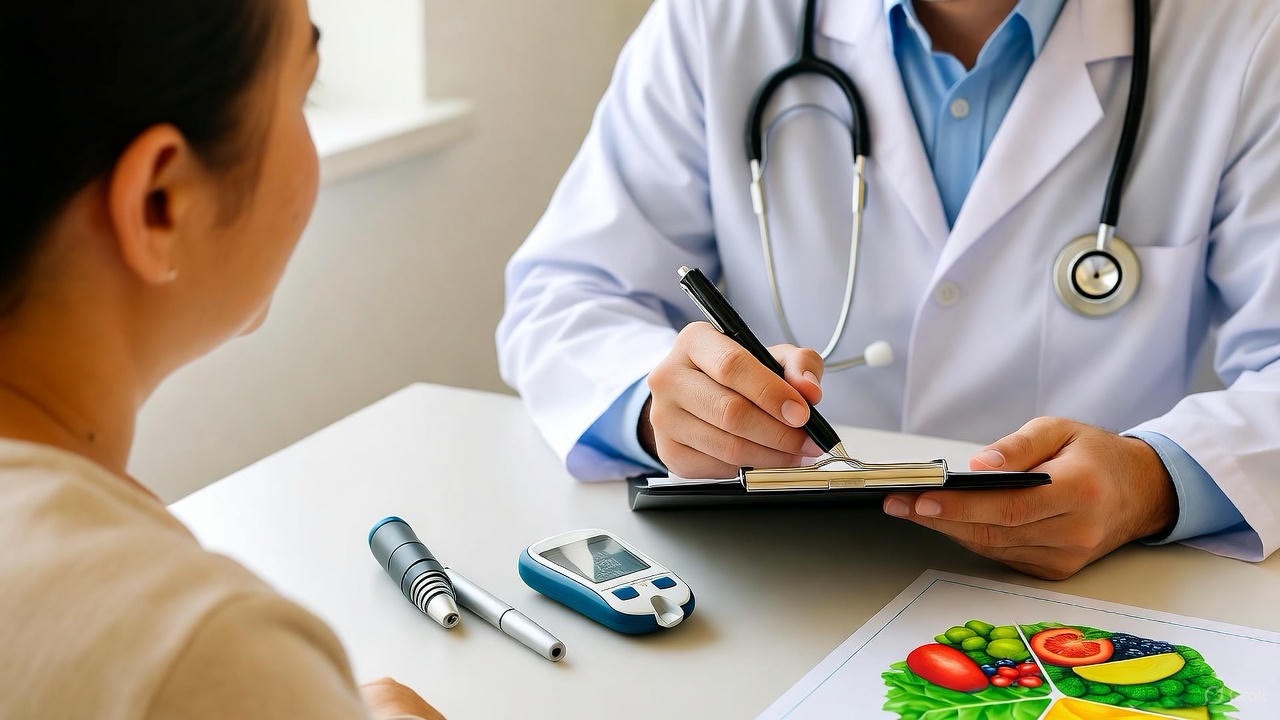
Diabetes mellitus is a growing global health challenge. Managing it effectively requires both medical treatment and lifestyle changes. Anti-diabetic drugs, insulin therapy, and nutrition — especially a low-carb diet — all play important roles in keeping blood sugar levels stable and preventing complications.
🎯 Goals of Diabetes Treatment
The main goal of diabetes treatment is to maintain blood glucose within the normal range, prevent complications, and improve quality of life. The treatment plan depends on the type of diabetes — Type 1, Type 2, or gestational diabetes.
💉 Insulin Therapy
Insulin therapy is essential for people with Type 1 diabetes and sometimes used in advanced Type 2 diabetes. There are different types of insulin, including rapid-acting, short-acting, intermediate, and long-acting. Insulin helps replace or supplement the body’s natural insulin, and is delivered by injection or insulin pumps to keep blood sugar under control.
💊 Oral and Injectable Anti-Diabetic Drugs
For Type 2 diabetes, oral medications and newer injectable agents are often prescribed to manage glucose levels and improve insulin sensitivity.
- Metformin (Biguanide): Reduces glucose production by the liver and increases insulin sensitivity.
- Sulfonylureas (e.g., Glimepiride): Stimulate the pancreas to release more insulin.
- Thiazolidinediones (e.g., Pioglitazone): Improve the body’s response to insulin.
- DPP-4 Inhibitors (e.g., Sitagliptin): Enhance natural incretin hormones to promote insulin release.
- SGLT2 Inhibitors (e.g., Empagliflozin): Promote glucose excretion through urine.
- GLP-1 Receptor Agonists (e.g., Liraglutide): Reduce appetite and improve insulin release.
⚠️ Common Side Effects
- Hypoglycemia: Especially with insulin and sulfonylureas.
- Digestive discomfort: Common with metformin.
- Weight gain: May occur with insulin and some oral drugs.
- Lactic acidosis: Rare but serious side effect from metformin.
🥑 Lifestyle Modifications — The Foundation of Diabetes Care
Medication alone is not enough. Lifestyle plays a vital role in improving insulin sensitivity and metabolic health. The most effective lifestyle changes include:
- Low-Carb Diet: Helps reduce blood sugar spikes, lower insulin demand, and improve fat metabolism.
- Regular Exercise: Improves how muscles use glucose and enhances insulin action.
- Weight Management: Reduces insulin resistance and improves metabolic balance.
- Quit Smoking & Limit Alcohol: Supports better cardiovascular and metabolic health.
📈 Monitoring Blood Glucose
- Self-Monitoring (SMBG): Using a glucometer at home to check glucose levels regularly.
- Continuous Glucose Monitoring (CGM): Provides real-time glucose trends and helps prevent spikes and drops.
- Data Tracking: Helps adjust diet, exercise, and medication for better control.
🌿 Alternative and Supportive Therapies
- Herbal Supplements: Some may help, but always consult healthcare professionals before use.
- Stress Management: Yoga, meditation, and deep breathing can improve glucose control.
- Patient Education: Learning self-care skills empowers individuals to manage diabetes confidently.
🩸 Why Low-Carb Diets Are So Effective
Multiple clinical studies have confirmed that a low-carbohydrate or ketogenic diet improves blood sugar, reduces medication needs, and promotes weight loss. By lowering glucose intake, the body produces less insulin, which reduces insulin resistance — the core issue in Type 2 diabetes.
📚 References
- Hallberg SJ et al., Diabetes Therapy (2018). “Effectiveness and safety of a low-carbohydrate diet for Type 2 diabetes management.”
- Feinman RD et al., Nutrition (2015). “Dietary carbohydrate restriction as the first approach in diabetes management.”
- Westman EC et al., Annals of Internal Medicine (2008). “Comparison of low-carbohydrate vs low–glycemic index diets on glycemic control.”
In summary: Diabetes treatment involves a balance of medication, insulin, and lifestyle. Anti-diabetic drugs are essential for control, but long-term success depends on nutrition and daily habits — especially maintaining a low-carb lifestyle that helps the body restore natural glucose balance.