
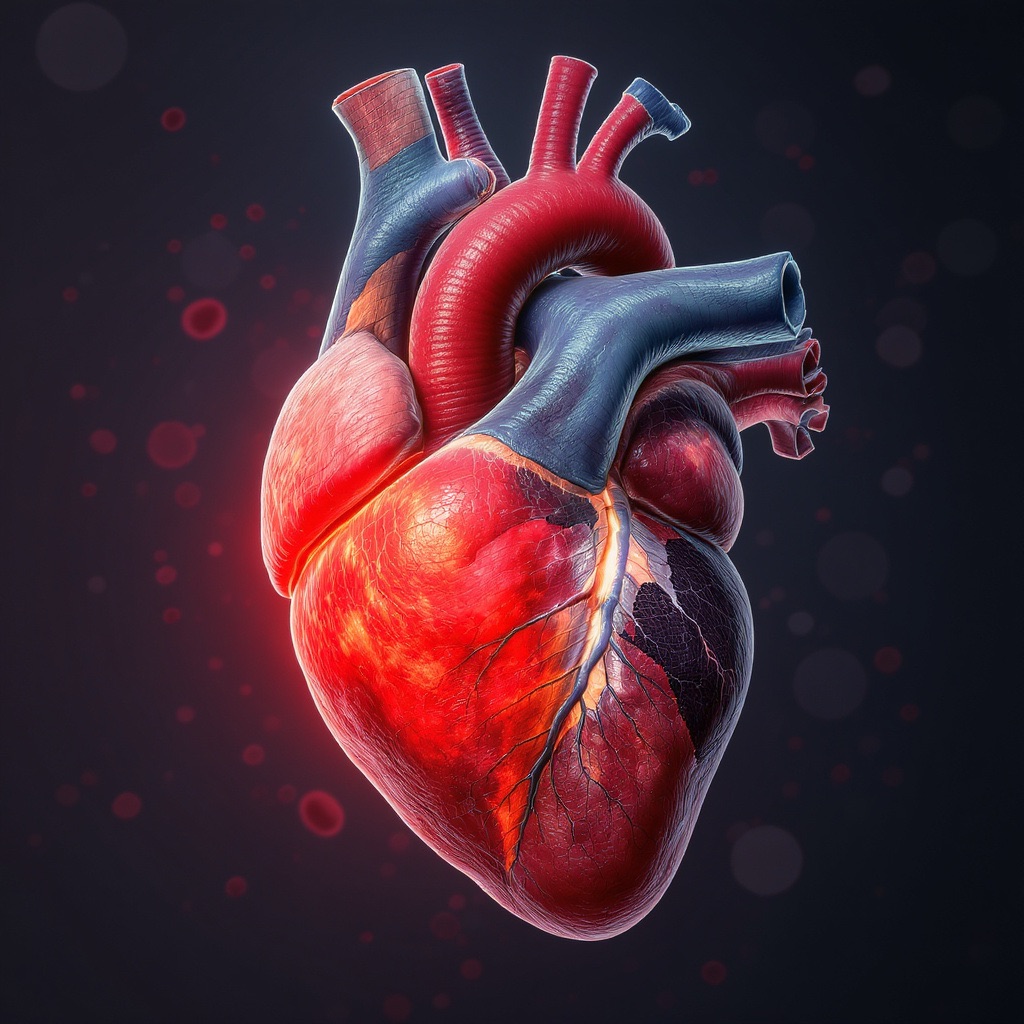
If you live with diabetes, you’ve probably heard doctors warn about the higher risk of heart problems. Sadly, heart failure is one of the most common and serious complications. But here’s the real question: why does diabetes make a failing heart even weaker? Until recently, most of what we knew came from animal studies or educated guesses. Now, thanks to new research using actual human heart tissue, we’re finally starting to get answers.
🔬 A Rare Look Inside Real Human Hearts
In a new study published in EMBO Molecular Medicine, scientists studied heart muscle taken from three groups of people:
⚡ What They Found
- The fat-burning system was switched down — Contrary to the old belief that diabetic hearts “burn too much fat,” the study showed the opposite: key proteins that normally help the heart use fat for energy were actually reduced.
- Mitochondria were struggling — The heart’s energy factories (mitochondria) looked damaged and less efficient, making it harder for the heart muscle to keep beating strongly.
- More scarring and stress — Diabetic hearts showed more fibrosis (scarring) and higher oxidative stress, which weakens the muscle and makes it stiffer over time.
- Cells were disorganized — Under the microscope, diabetic heart cells looked less structured and more chaotic compared to healthy hearts.
💡 Why This Matters for You
This study challenges a long-standing idea. Doctors used to think the diabetic heart was like a car engine running “too rich on fat fuel.” But the new evidence suggests it’s more like an engine losing flexibility — it can’t switch fuel sources properly, the mitochondria are breaking down, and the whole system is under stress. In other words, diabetes doesn’t just add extra strain to heart disease; it creates its own unique version of it.
🏥 What It Could Mean for Treatment
- Simply blocking fat use may not help — the real problem might be damaged mitochondria and poor energy flexibility.
- New therapies may need to focus on reducing scarring, calming oxidative stress, and restoring healthy metabolism.
- Personalized treatments for people with both diabetes and heart failure could be the future, since their hearts are biologically different from non-diabetic patients.
🥗 Practical Takeaway
While this research focuses on what happens at the molecular level, there are simple things you can do today that support your heart and metabolism:
- Keep blood sugar steady — Consistent glucose control helps reduce stress on both blood vessels and heart muscle.
- Support your mitochondria — Regular movement, good sleep, and nutrient-rich foods (especially those rich in healthy fats and proteins) help your “cellular batteries” work better.
- Limit oxidative stress — Avoid smoking, manage stress, and eat whole foods rather than processed options to reduce the burden on your heart.
- Talk to your doctor — If you have both diabetes and heart disease, ask about treatment strategies tailored for people like you. The science shows your heart behaves differently — and your care may need to as well.
Note: This is educational, not medical advice. Always consult your healthcare provider for personalized guidance.
📖 Reference
Hunter H, et al. (2025). Left ventricular myocardial molecular profile of human diabetic ischaemic cardiomyopathy. EMBO Molecular Medicine. DOI: 10.1038/s44321-025-00281-9