
Eating a high-fat, low-carb diet could help reduce symptoms of depression, a study claims. As many as one in five adults in the UK have experienced some form of depression in their life.

MD Keto Malaysia | #1 Shop for Keto, Low-Carb & Diabetic-Friendly Foods
Eating a high-fat, low-carb diet could help reduce symptoms of depression, a study claims. As many as one in five adults in the UK have experienced some form of depression in their life.
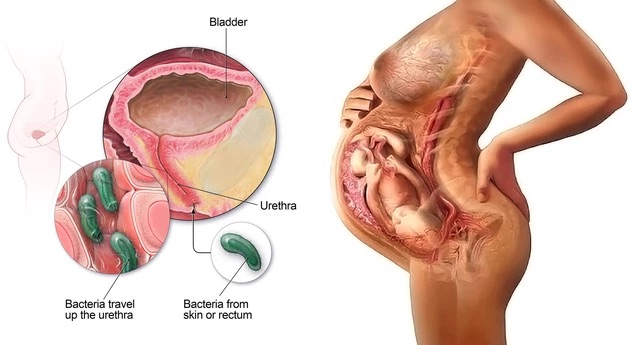
Urinary tract infections are common in pregnancy due to the physiological and anatomical changes that occur in a woman’s body. These changes make it easier for bacteria to multiply in the urinary tract. UTIs can affect any part of the urinary system, including the urethra, bladder, ureters, or kidneys. Early detection and treatment are essential
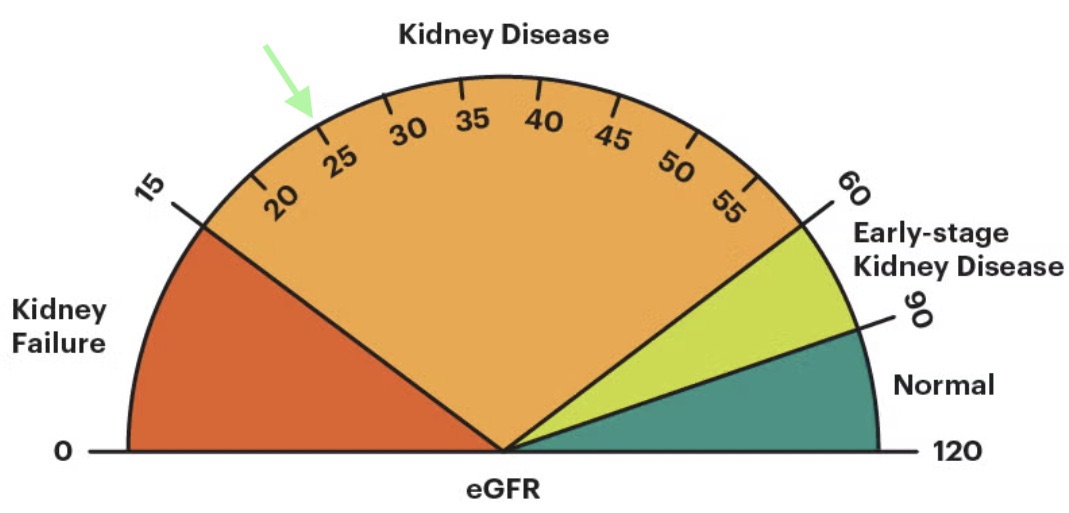
Glomerular Filtration Rate (GFR) is one of the most important measurements used to assess kidney health. It reflects how efficiently your kidneys filter waste and excess fluid from the blood. GFR is measured in milliliters per minute (mL/min). A healthy GFR means your kidneys are doing their job well, even if you feel perfectly fine.
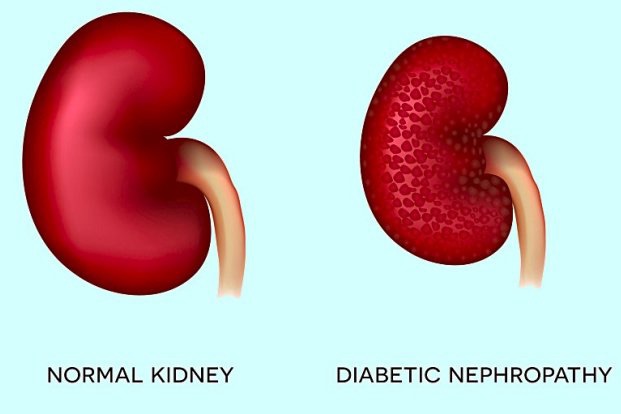
Diabetes is not just a condition of high blood sugar. When blood sugar remains elevated over time, it quietly damages blood vessels and organs throughout the body — and the kidneys are among the most affected. Many people with diabetes develop kidney damage without realizing it. By the time symptoms appear, kidney function may already
Diabetes & Kidney Health: What Everyone Should KnowRead More »

Influenza, commonly known as the flu, is a contagious viral infection of the respiratory system. It affects the nose, throat, and sometimes the lungs. While many people recover within a week, influenza should not be taken lightly, especially in vulnerable groups. Unlike the common cold, the flu often comes on suddenly and can make a

The HbA1c blood test reflects your average blood glucose level over the past 2–3 months. It does not measure daily sugar fluctuations, but shows your long-term glucose pattern. Higher blood glucose levels lead to more glucose attaching to hemoglobin, resulting in a higher HbA1c value.
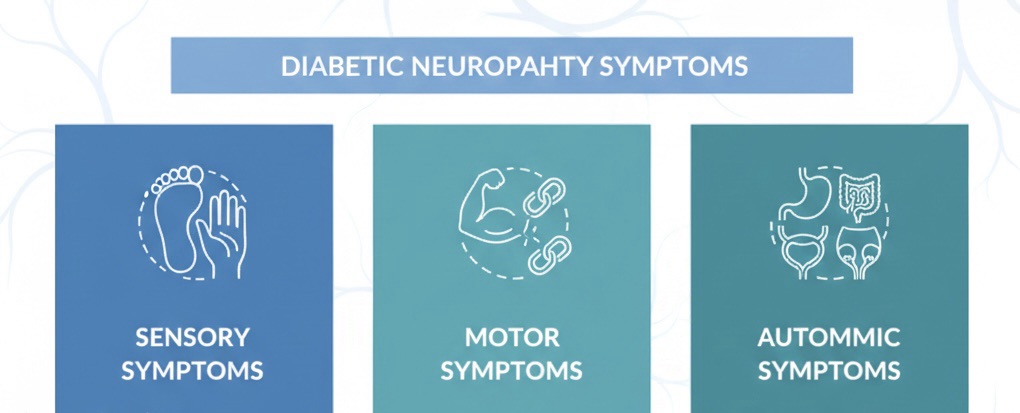
Diabetic neuropathy is nerve damage caused by long-term high blood sugar. It is a common complication of diabetes and often affects the feet and hands first.
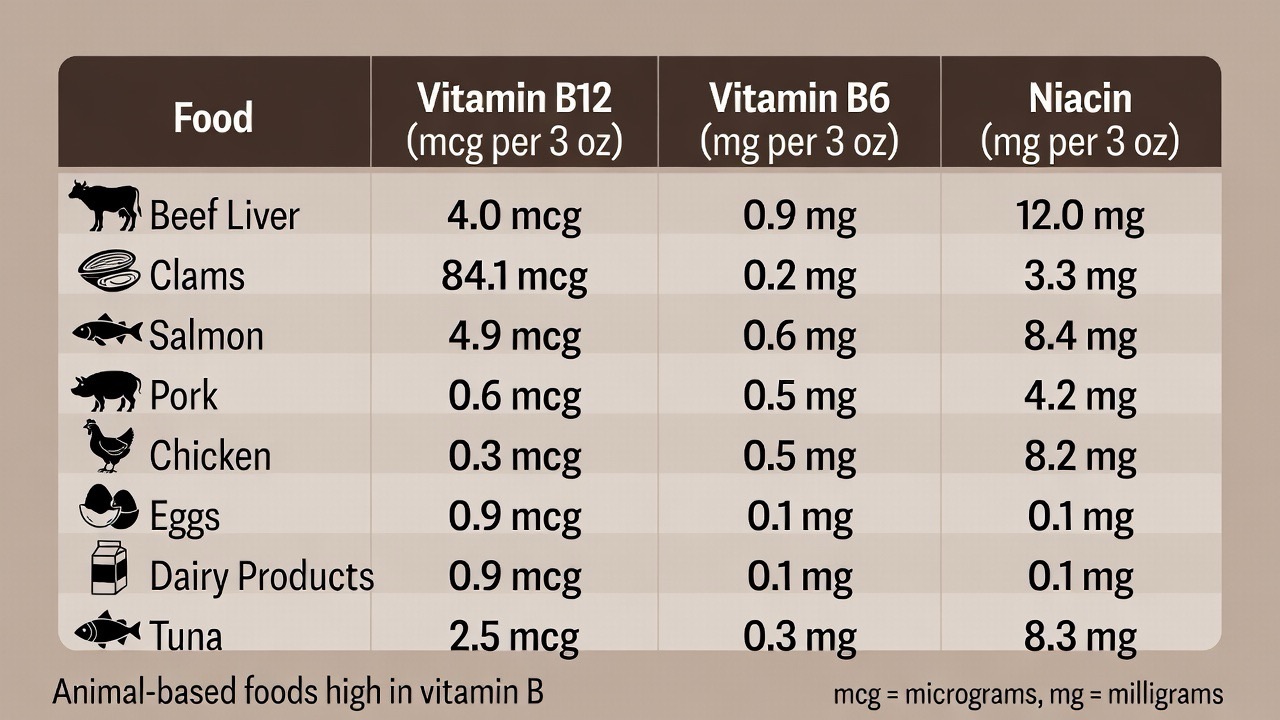
Vitamin B is not a single nutrient but a group of essential vitamins required for daily survival. These vitamins play a central role in energy metabolism, nerve conduction, red blood cell production, DNA synthesis, and hormonal balance. When vitamin B intake is insufficient, the body struggles to function efficiently. Common signs include chronic fatigue, poor

Hydration is often treated as an afterthought—drink more water and assume the job is done. In reality, proper hydration is strategic. It depends on body weight, activity level, environment, and electrolyte balance. Drinking too little reduces performance. Drinking incorrectly can still leave you dehydrated.

People living with type 2 diabetes carry a higher than usual risk of depression. This isn’t surprising: diabetes affects the body and mind, altering energy, stress levels, eating behavior, and brain chemistry over time. Research now suggests that the type of glucose-lowering drug a person uses may also be associated with differences in the risk
Do Certain Diabetes Medications Affect Depression Risk?Read More »