
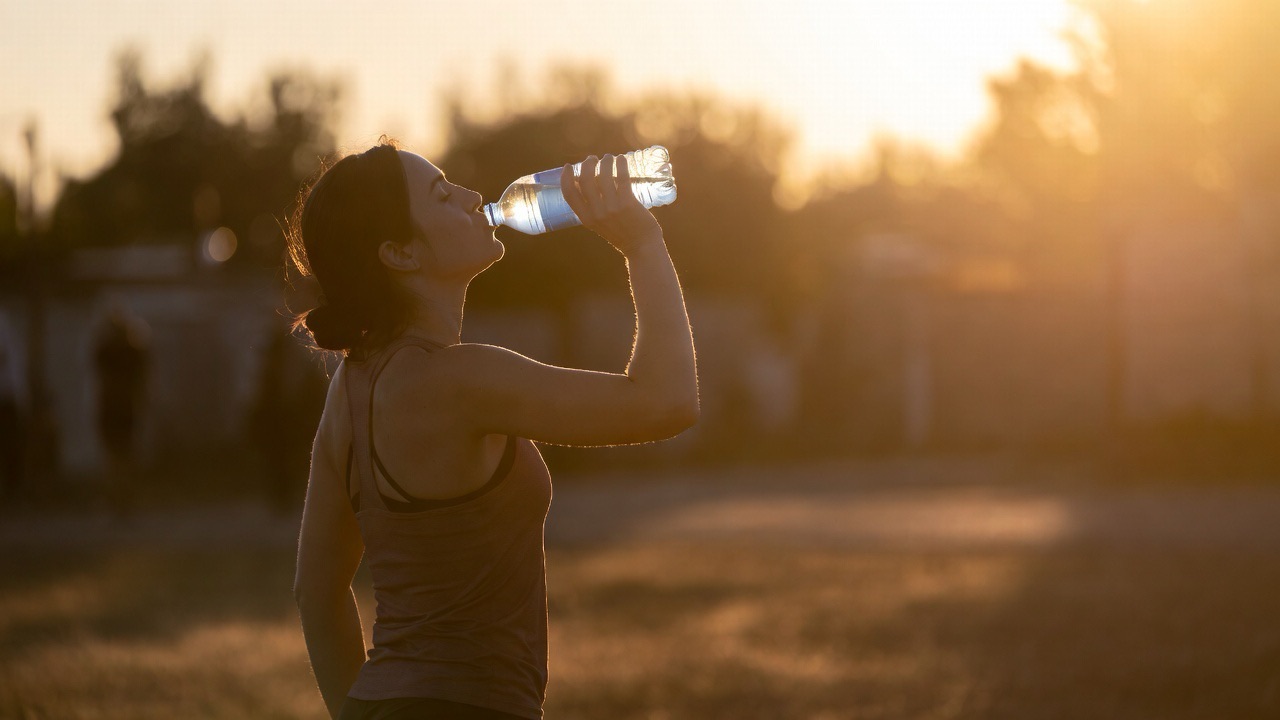
Hydration is often treated as an afterthought—drink more water and assume the job is done. In reality, proper hydration is strategic. It depends on body weight, activity level, environment, and electrolyte balance. Drinking too little reduces performance. Drinking incorrectly can still leave you dehydrated.
This protocol outlines a practical, evidence-based approach to hydration before, during, and after physical activity.
Daily Hydration Baseline
Hydration begins long before training starts.
- 30–35 mL of fluid per kilogram of bodyweight per day
- This includes water, tea, coffee, and fluids from food
Sodium matters
- If you train regularly, do not chronically avoid sodium
- Sodium helps maintain blood volume, nerve signaling, and muscle contraction
- Low sodium intake combined with sweating is a common cause of fatigue and cramps
Simple hydration check:
Pale yellow urine generally indicates adequate hydration. Dark urine often suggests under-hydration.
Hydration Before Activity
Starting exercise already dehydrated increases stress on the body.
2–3 hours before training
- Drink 500–600 mL of fluid
Add 300–600 mg sodium if:
- Training lasts longer than 60 minutes
- You sweat heavily
- Weather is hot or humid
Hydration During Activity
Your hydration plan should match the duration and intensity of the session.
Less than 60 minutes
- Water is usually sufficient
60–90 minutes
- 400–800 mL fluid per hour
- 300–600 mg sodium per hour
More than 90 minutes or very hot conditions
- 500–1000 mL fluid per hour
- 500–1000 mg sodium per hour
- Small amounts of carbohydrate can improve fluid absorption
Hydration After Activity
Recovery hydration is as important as hydration during training.
- Replace approximately 150% of fluid lost over the next 2–4 hours
- Include sodium to improve fluid retention
- Pair fluids with a proper meal whenever possible
Common Hydration Mistakes
- Drinking only water during long or hot sessions
- Avoiding sodium despite heavy sweating
- Waiting until thirst appears during intense exercise
- Using the same hydration strategy for every workout
Rule of Thumb
If your sweat is salty, your drink should be too.
Hydration is individual, but it should always be intentional.