
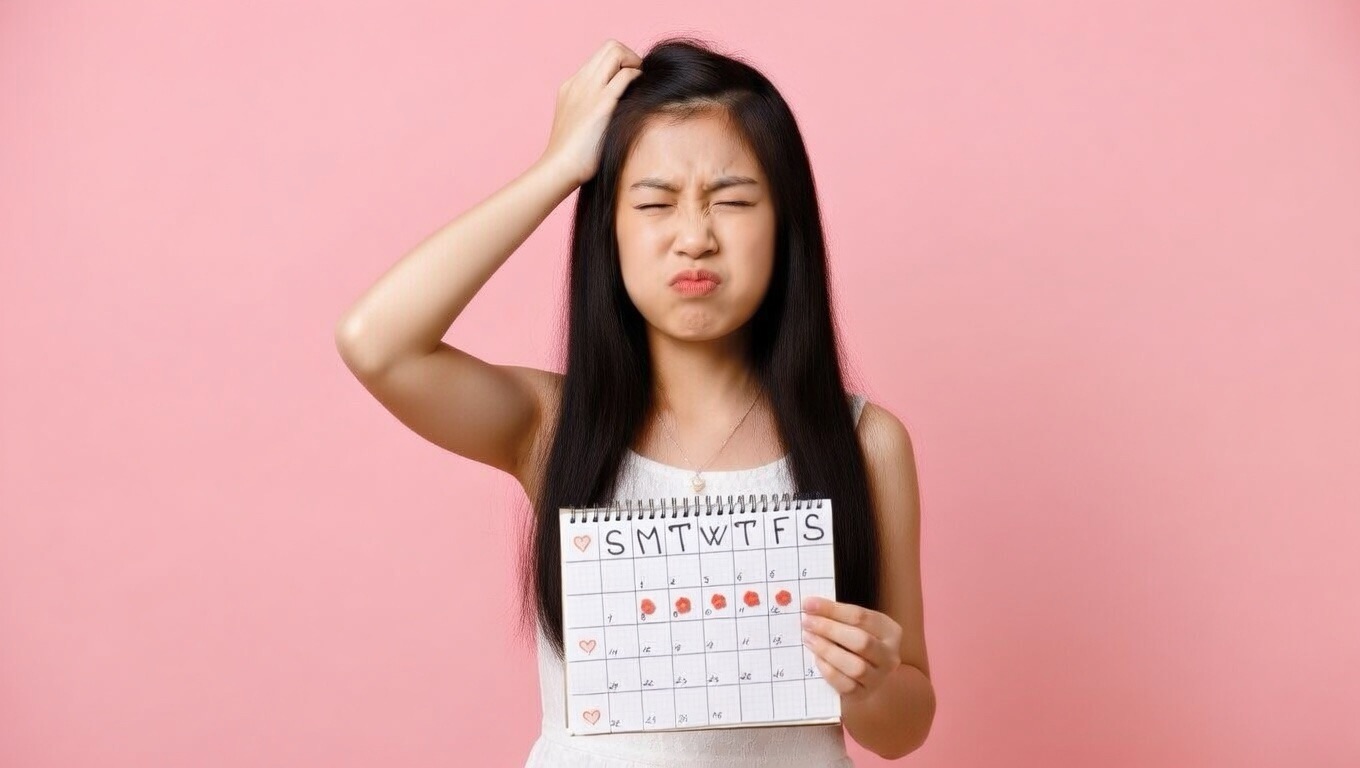
What Is Menstruation?
Menstruation is the monthly shedding of the uterine lining. It is a natural process that occurs as part of the female reproductive cycle.
- Normally occurs every 21–35 days
- Bleeding usually lasts 3–7 days
- It is an important sign of normal reproductive health
What Are Menstrual Irregularities?
Menstrual irregularities refer to any change from the normal menstrual cycle pattern.
- Periods may come too early or too late
- Bleeding may be heavy, light, or absent
- Menstrual pain may be more severe than usual
Common Types of Menstrual Irregularities
Amenorrhea
- Absence of menstrual periods for several months
- May be primary (periods never started) or secondary (periods stopped)
- Common during pregnancy and menopause
- May indicate hormonal imbalance
Oligomenorrhea
- Menstrual cycles longer than 35 days
- Periods occur irregularly
- Common in adolescents and women with PCOS
- May affect fertility
Menorrhagia
- Excessive or prolonged menstrual bleeding
- Periods lasting longer than 7 days
- May lead to anemia and fatigue
- Often related to hormonal imbalance
Dysmenorrhea
- Painful menstrual cramps
- Pain usually occurs in the lower abdomen or lower back
- May interfere with normal daily activities
- More common in younger women
Polymenorrhea
- Menstrual cycles shorter than 21 days
- Periods occur more frequently than normal
- Bleeding may be normal or heavy
- Often associated with hormonal disturbances
Causes of Menstrual Irregularities
Hormonal and Lifestyle Causes
- Hormonal imbalance
- Stress and emotional problems
- Poor nutrition or sudden weight changes
- Excessive physical exercise
Medical Causes
- Polycystic Ovary Syndrome (PCOS)
- Thyroid disorders
- Uterine fibroids
- Pelvic infections
Symptoms to Watch For
- Irregular menstrual cycles
- Heavy or very light bleeding
- Severe menstrual pain
- Missed periods
Diagnosis
Doctors may perform several tests to determine the cause:
- Medical history and physical examination
- Blood tests to evaluate hormone levels
- Ultrasound examination
- Pregnancy test when necessary
Treatment Options
- Hormonal therapy
- Pain-relieving medications
- Treatment of the underlying medical condition
- Lifestyle modifications
Lifestyle Management
- Maintain a healthy body weight
- Reduce stress levels
- Eat a balanced and nutritious diet
- Engage in regular moderate exercise
When to See a Doctor
- Periods suddenly stop
- Very heavy bleeding
- Severe pain not relieved by medication
- Irregular periods affecting daily life
Possible Complications
- Anemia
- Fertility problems
- Emotional stress
- Reduced quality of life
Prevention
- Maintain a healthy lifestyle
- Regular medical check-ups
- Manage stress effectively
- Early treatment of hormonal problems
Key Points
- Menstrual irregularities are common among women
- Many causes are treatable
- Early diagnosis helps prevent complications
- Proper care can improve quality of life