🩺 Introduction: Could Low Cholesterol Be a Risk, Not a Benefit? We’ve all heard it: “Lower your LDL cholesterol to protect your heart.” For decades, this message has been the foundation of mainstream heart health advice. LDL, or “bad cholesterol,” is widely seen as the enemy. But what if, in some cases, low LDL isn’t […]
Category: Knowledge
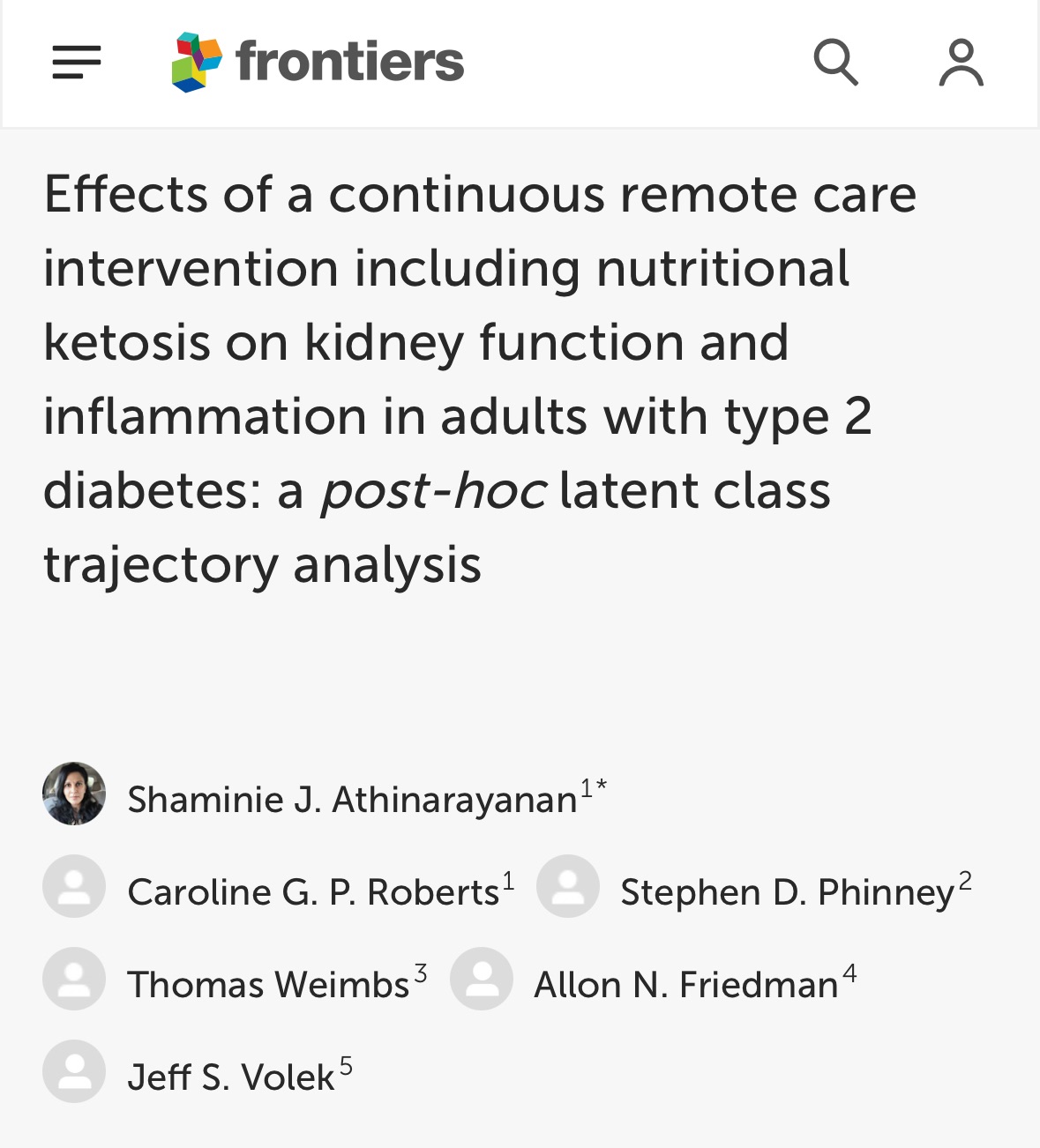
— A New Study Shows Low-Carb Nutrition and Remote Coaching May Help Protect the Kidneys in Type 2 Diabetes 📚 Published: June 6, 2025, in Frontiers in Nutrition 🔗 Full study here ✅ What Was the Study About? This research followed adults with type 2 diabetes for two full years, comparing two groups: One group
Why do we sometimes feel hungry even after eating—or before a meal even starts? The answer lies in cephalic hunger—a hunger not driven by physical need, but by mental and sensory cues. Understanding this type of hunger is crucial for anyone pursuing weight loss, fasting, or a low-carb high-fat (LCHF) lifestyle.
Pregnancy is a time of profound physical and emotional change. For many women, it’s also a period marked by increased vulnerability to mood disorders—particularly depression. A major study published in The Journal of Nutrition in January 2024 has added new insight into the link between micronutrients and maternal mental health. Drawing from nearly 2,000 participants
Can Iron and Vitamin D Help Prevent Depression During Pregnancy?Read More »
In July 2025, ScienceDaily published an article based on a study by the University of Colorado Boulder, claiming that the popular sugar substitute erythritol may “damage the brain’s protective blood vessels and increase stroke risk.” This claim quickly stirred public concern, with some people fearing erythritol is a “silent killer.” But should we really worry?
A groundbreaking study published in PNAS challenges the age-old belief that sedentary lifestyles are to blame for rising global obesity. Researchers analyzed real-world data from 4,213 adults across 34 populations—including hunter-gatherers, farmers, and urban dwellers—to understand how energy use and diet relate to body fat. Spoiler: the problem isn’t that we move too little—it’s that
Rethinking Obesity: Global Research Reveals It’s Less About Movement, More About FoodRead More »
When you look closely at the human pancreas, its design and priorities become obvious — and humbling. The pancreas is an elegant organ that supports both digestion and blood sugar regulation. Yet modern eating habits, especially high-carbohydrate diets, are completely misaligned with how this organ was built to function. Here’s what the science of histology
Stop Abusing Your Pancreas: What Histology and Physiology Tell UsRead More »
Few debates in modern nutrition science are as heated as this: is calorie restriction (CR) or carbohydrate restriction (LCHF) more effective for improving health and extending lifespan? The original article thoughtfully reviewed the evidence and concluded, quite cautiously, that both approaches have merits and limitations. But if we take a broader, more critical perspective, there
Calorie Restriction vs. Carb Restriction: Which Fits the Modern Human Better?Read More »
I don’t know whether there is a spate of gallbladder problems doing the rounds, or whether there is just a lot of interest in this little organ, but I’m getting quite a lot of mail and messages asking me to cover it. So let’s look at the gallbladder.
A refusal to embrace simplicity in taste — and an unbridled craving for sweetness — is a deeply concerning phenomenon. Perhaps fueled by the influence of popular culture, we have come to equate all feelings of joy with the word sweet. From early childhood, as the human brain develops, the equation of happiness with sweetness
The Peril of Rejecting the Bland and Craving Only SweetnessRead More »