
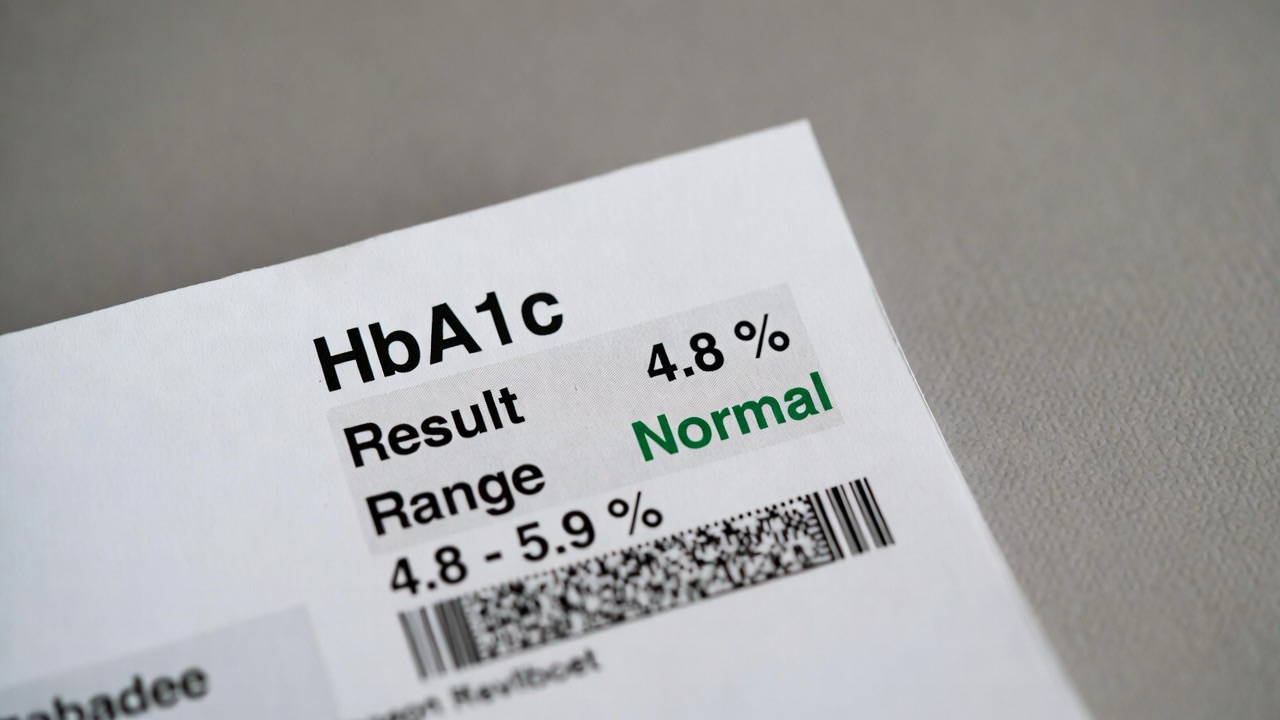
Recently, The Star published a helpful article explaining HbA1c and how it is used in modern healthcare.
👉 Read the original article here:
https://www.thestar.com.my/lifestyle/health/tell-me-about/2026/03/19/what-the-hba1c-test-is-all-about
It gives a clear overview of what the HbA1c test is and why doctors use it. But to truly benefit from this test, we need to go one level deeper—beyond definitions and into what it really means for your daily life and long-term health.
What Exactly Is HbA1c?
HbA1c (glycated hemoglobin) measures your average blood sugar over the past 2–3 months.
- Red blood cells live about 90 days
- Glucose sticks to hemoglobin
- More sugar = more glycation
Daily glucose = snapshot
HbA1c = full movie
Why HbA1c Matters More Than You Think
Most people think HbA1c is only about diabetes. That’s incomplete.
It actually reflects:
- Long-term sugar exposure
- Early insulin resistance
- Metabolic health risk
You don’t need to wait for diabetes to take action.
The Silent Nature of High HbA1c
You can have high HbA1c and feel completely normal.
But internally:
- Blood vessels may be damaged
- Inflammation increases
- Organs face metabolic stress
HbA1c shows what you cannot feel yet.
HbA1c Is Useful, But Not Perfect
HbA1c should not be used alone.
It can be affected by:
- Red blood cell lifespan
- Medical conditions
- Ethnic differences
A better approach includes:
- Fasting glucose
- Insulin levels
- Lifestyle patterns
What HbA1c Is Really Telling You
It reflects how often your body is exposed to high sugar levels.
Not once. Not occasionally. But repeatedly over time.
How to Improve Your HbA1c
- Reduce frequent glucose spikes
- Focus on protein and healthy fats
- Improve sleep, movement, and stress
- Stay consistent
Final Perspective
HbA1c is not just a number.
It is a long-term report card of your metabolic health.
Understand it—and you take control of your health.