
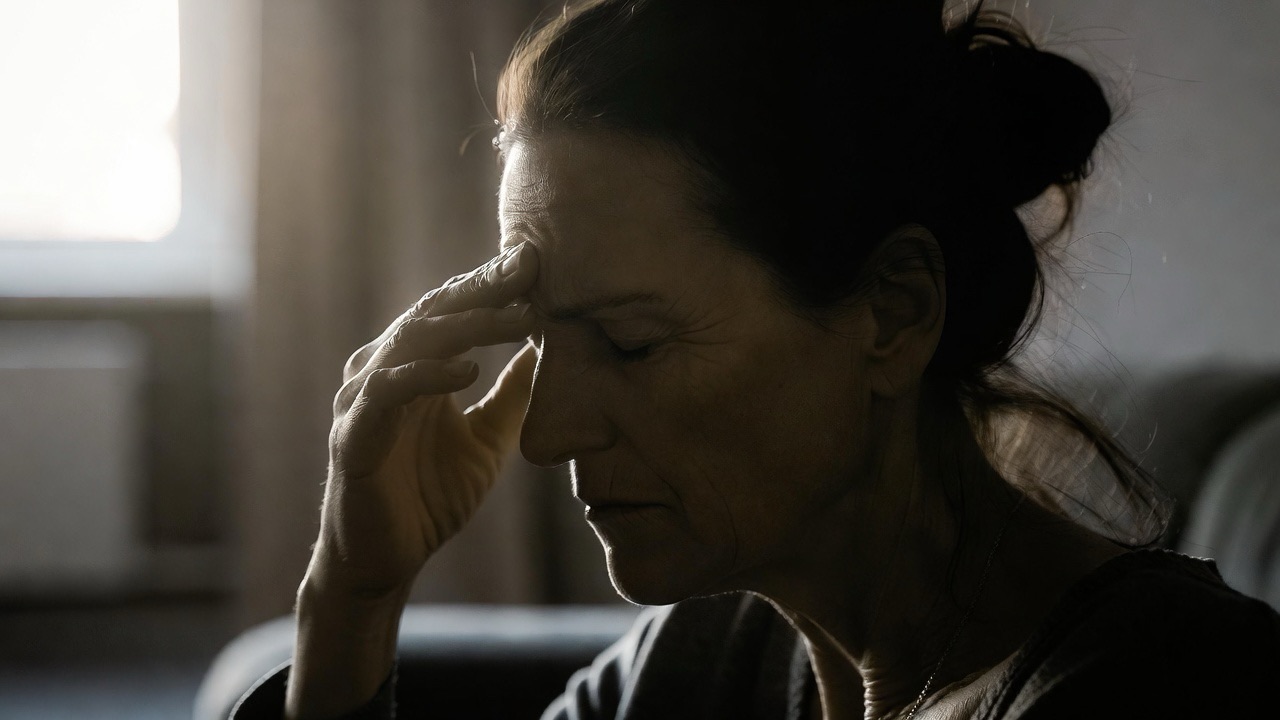
Menopause marks the time when a woman stops having monthly periods permanently. It usually occurs between 45–55 years of age and is a natural part of aging—not a disease.
Causes
- Ovaries gradually stop producing hormones like estrogen.
- Hormone levels slowly decrease with age.
- Sometimes menopause occurs earlier due to surgery or medical treatments.
Common Symptoms
- Hot flashes (sudden feeling of heat in the body)
- Night sweats and sleep disturbances
- Mood changes such as irritability or sadness
- Vaginal dryness and discomfort
Long-Term Effects
- Increased risk of weak bones (osteoporosis)
- Higher risk of heart disease
- Weight gain may occur more easily
Diagnosis
- No periods for 12 consecutive months usually confirms menopause
- Doctor may check hormone levels if necessary
- Symptoms also help in making the diagnosis
Management
- Maintain a healthy diet rich in calcium and vitamin D
- Regular exercise to keep bones strong
- Hormone replacement therapy, if advised by your doctor
- Manage stress and practice good sleep habits
Conclusion
Menopause is a normal stage of life. With proper care and medical guidance, symptoms can be managed effectively, helping women maintain a good quality of life.
Tags: Menopause, Women’s Health, Hormones, Osteoporosis, Heart Health