
Introduction
Dengue fever is a viral illness transmitted by mosquitoes. It is commonly found in tropical and warm regions around the world. The disease can cause high fever, severe body pain, and extreme weakness. In some cases, dengue can become serious if not treated early.
Cause of Dengue
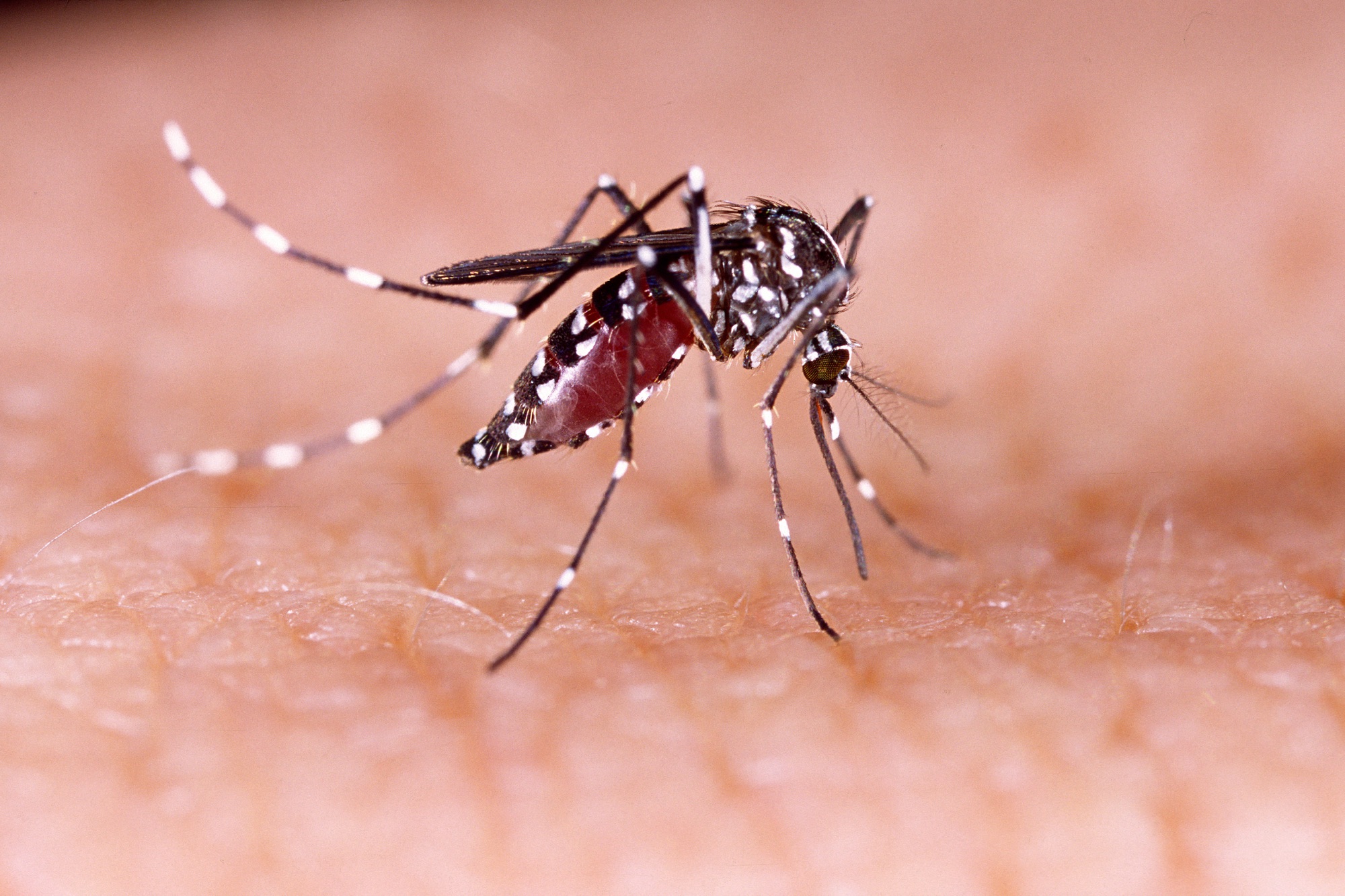
Dengue is caused by the dengue virus. The virus spreads through the bite of an infected Aedes mosquito, especially Aedes aegypti.
- A mosquito becomes infected after biting a person who already has dengue.
- The infected mosquito can then spread the virus to other people.
- The virus spreads mainly during the daytime when Aedes mosquitoes are most active.
Types of Dengue Virus
There are four types of dengue virus:
- DENV-1
- DENV-2
- DENV-3
- DENV-4
A person can get dengue more than once because infection with one type does not provide full protection against the others. In fact, a second infection can sometimes be more severe.
Common Symptoms of Dengue
- Sudden high fever
- Severe headache
- Pain behind the eyes
- Muscle and joint pain (often called “break-bone fever”)
- Nausea and vomiting
- Skin rash
- General weakness and fatigue
Warning Signs (Seek Medical Help)
Certain symptoms may indicate that dengue is becoming severe and require immediate medical attention:
- Severe abdominal pain
- Persistent vomiting
- Bleeding from the nose or gums
- Extreme weakness or restlessness
Possible Complications
In some patients, dengue can develop into a more serious condition known as Dengue Hemorrhagic Fever.
- Bleeding problems
- Low platelet count
- Fluid leakage from blood vessels
- Shock and organ failure in severe cases
Diagnosis
Doctors confirm dengue through blood tests.
- Blood tests detect the dengue virus or antibodies.
- Platelet levels are monitored carefully.
- Early diagnosis helps prevent serious complications.
Treatment
There is currently no specific cure for dengue. Treatment focuses on managing symptoms and supporting the body during recovery.
- Drink plenty of fluids to prevent dehydration.
- Get adequate rest.
- Paracetamol may be used to reduce fever.
- Avoid medications such as ibuprofen or aspirin, which may increase bleeding risk.
Prevention
Preventing mosquito bites is the most effective way to reduce dengue infection.
- Use mosquito nets and repellents.
- Wear long-sleeved clothing.
- Eliminate standing water around homes where mosquitoes breed.
- Maintain clean surroundings to reduce mosquito populations.
Conclusion
Dengue fever is a serious but preventable disease. Early recognition of symptoms and prompt medical attention can greatly reduce the risk of complications. Community awareness and mosquito control remain key strategies in preventing dengue outbreaks.