
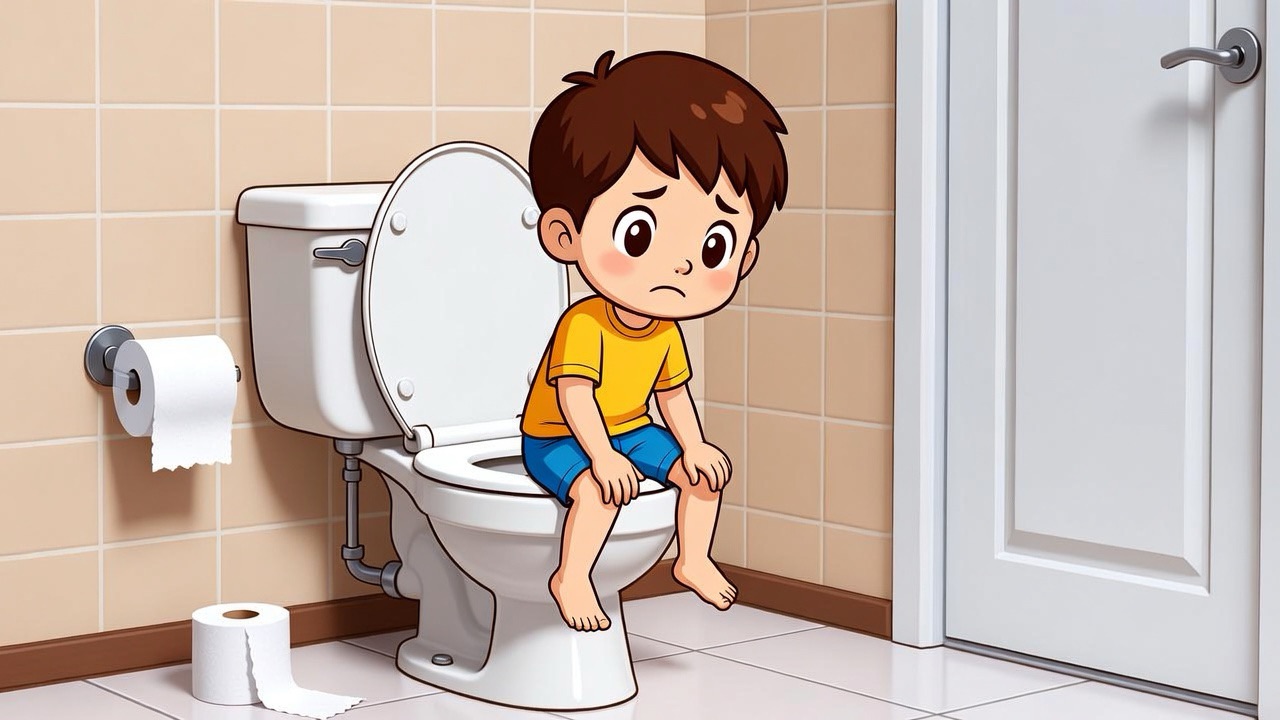
Introduction
Diarrhea is one of the most common illnesses in childhood. While many cases are mild, it can quickly lead to dangerous dehydration if not managed early. Prompt assessment and proper rehydration are the foundation of treatment.
Causes of Diarrhea
- Infections – viral, bacterial, or parasitic
- Food intolerance or allergies
- Antibiotic use
- Malabsorption syndromes
Assessment
Early assessment is critical. Focus on:
- Hydration status
- Signs of dehydration (dry mouth, sunken eyes, reduced urine output, lethargy)
- Frequency and consistency of stools
- Identifying underlying cause
Oral Rehydration Therapy (ORT)
First-line treatment for mild to moderate dehydration.
- Use WHO-recommended ORS solution
- Give small, frequent sips
- Continue even if diarrhea persists
Intravenous Fluids
Used for severe dehydration or if ORT fails.
- Use isotonic solutions such as Normal Saline or Ringer’s Lactate
- Monitor fluid status closely
Zinc Supplementation
Zinc is recommended for all children with diarrhea.
- Reduces duration and severity
- Dose: 10 mg/day (under 6 months), 20 mg/day (over 6 months)
- Duration: 10–14 days
Nutritional Management
- Continue breastfeeding
- Provide age-appropriate diet
- Avoid sugary drinks and fatty foods
- Encourage small, frequent meals
When to Refer
- Severe dehydration
- Blood in stool
- Persistent vomiting
- Underlying chronic illness
- Failure to improve with initial treatment
Prevention
- Promote hand hygiene
- Ensure clean drinking water
- Exclusive breastfeeding for first 6 months
- Timely vaccination such as Rotavirus vaccine
Conclusion
Effective management of diarrhea in children includes early assessment, rehydration, zinc supplementation, and proper nutrition. Prevention through hygiene and immunization is essential.