
Introduction
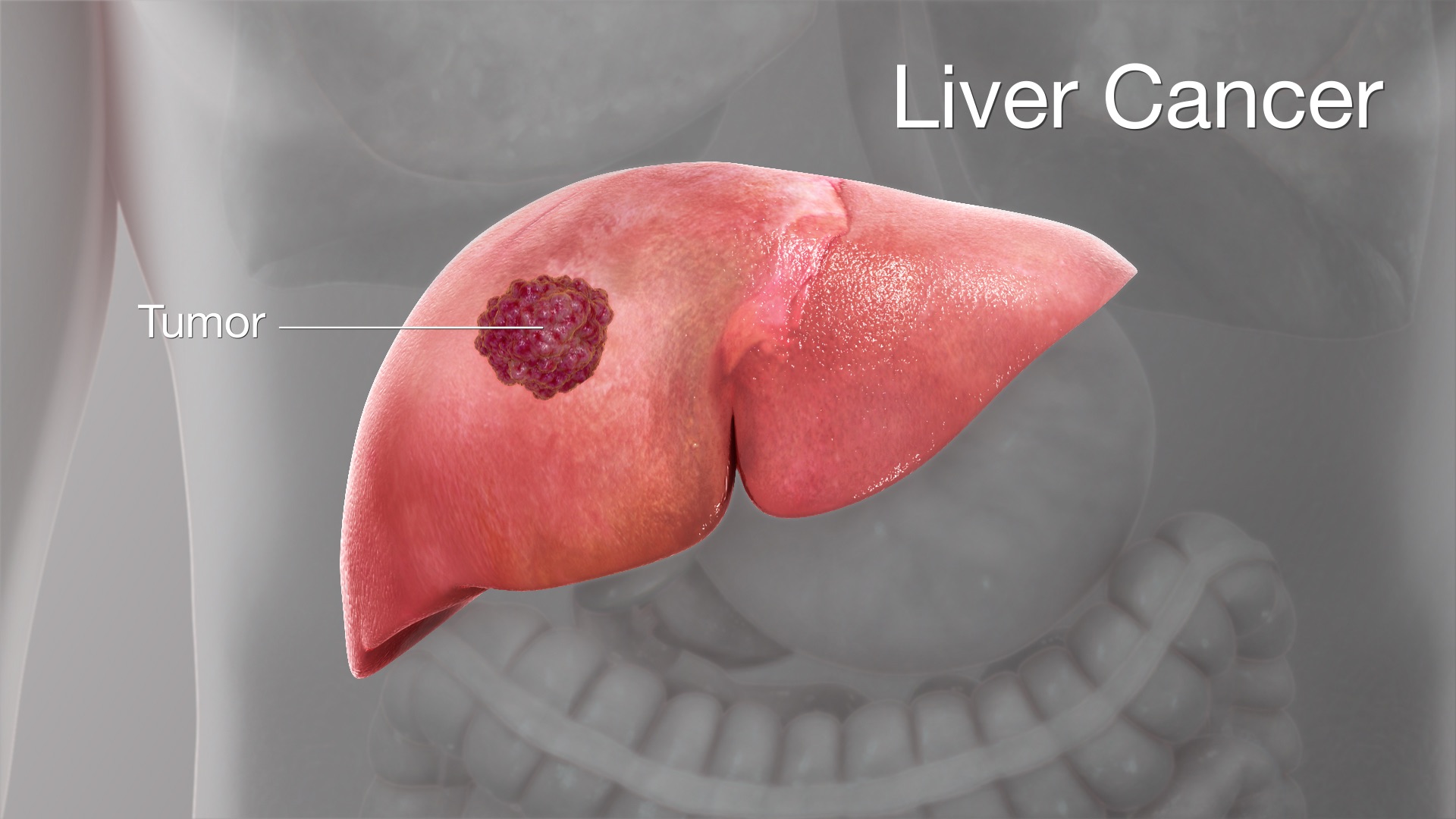
Liver cancer is a malignant tumor that begins in the cells of the liver. If left untreated, it can progress to liver failure and become life-threatening.
Liver cancer may be primary (originating in the liver) or secondary (spreading from another organ). The most common primary type is hepatocellular carcinoma (HCC).
Causes
- Chronic hepatitis B and hepatitis C infections causing long-term liver inflammation.
- Cirrhosis due to alcohol abuse or nonalcoholic fatty liver disease (NAFLD).
- Exposure to aflatoxins from contaminated food.
- Genetic disorders such as hemochromatosis leading to iron overload.
Risk Factors
- Long-standing hepatitis B or C infection.
- Excessive alcohol consumption.
- Obesity and diabetes contributing to fatty liver disease.
- Family history of liver cancer or genetic mutations.
Signs and Symptoms
- Persistent fatigue and unexplained weight loss.
- Right-sided abdominal pain or swelling.
- Jaundice (yellowing of skin and eyes).
- Loss of appetite, nausea, or vomiting.
Diagnosis
- Blood test for AFP (alpha-fetoprotein), a tumor marker.
- Imaging tests such as ultrasound, CT scan, or MRI.
- Liver biopsy to confirm diagnosis and stage.
- Liver function tests to assess organ performance.
Treatment
- Surgery: Removal of tumor or liver transplantation in eligible patients.
- Radiation therapy: Targets and destroys cancer cells.
- Chemotherapy and targeted therapy: Used in advanced stages.
- Immunotherapy: Enhances the immune system to fight cancer.
- Palliative care: Improves quality of life.
Prevention
- Vaccination against hepatitis B virus.
- Avoid excessive alcohol consumption.
- Maintain healthy body weight.
- Early treatment of hepatitis B and C.
- Regular screening for high-risk individuals.
- Avoid aflatoxin-contaminated food.
Complications
- Liver failure.
- Metastasis to lungs or bones.
- Ascites (fluid accumulation in abdomen).
- Internal bleeding due to tumor rupture or portal hypertension.
Conclusion
Liver cancer is a serious but potentially preventable disease. Early detection, proper treatment, vaccination, and healthy lifestyle choices significantly improve survival and reduce risk.