
Introduction
Chickenpox is a highly contagious infection caused by the Varicella-zoster virus (VZV). It mainly affects children, but teenagers and adults can also develop the disease, often with more severe symptoms.
The virus spreads easily through coughing, sneezing, or direct contact with blister fluid. After recovery, the virus remains dormant in nerve tissue and may reactivate later in life as shingles (herpes zoster).
Causes
- Caused by the Varicella-zoster virus (VZV).
- Spread through respiratory droplets when an infected person coughs or sneezes.
- Direct contact with blister fluid.
- Touching contaminated objects or surfaces.
- Higher risk in individuals without prior infection or vaccination.
Signs and Symptoms
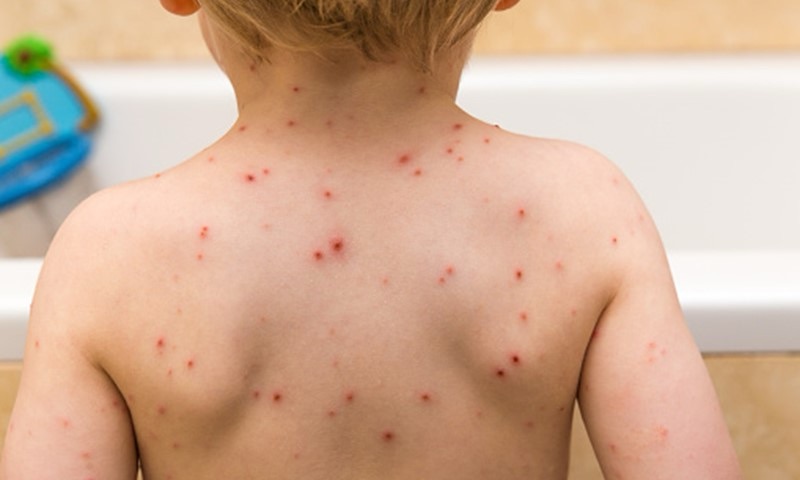
- Itchy red rash that turns into fluid-filled blisters.
- Fever.
- Fatigue and weakness.
- Loss of appetite.
- Headache and muscle aches.
The rash typically starts on the chest, back, and face before spreading to the rest of the body. Blisters eventually dry, crust over, and heal.
Complications
- Secondary skin infections from scratching.
- Pneumonia, especially in adults or immunocompromised individuals.
- Brain inflammation (encephalitis).
- Dehydration due to fever and poor appetite.
Diagnosis
Diagnosis is usually based on the characteristic rash and symptoms. In uncertain cases, doctors may perform blood tests or viral testing of blister fluid. A history of exposure also supports diagnosis.
Treatment
There is no specific cure for chickenpox. Treatment focuses on symptom relief and preventing complications.
- Antiviral medication if given early.
- Cool baths to reduce itching.
- Calamine lotion.
- Antihistamines.
- Rest and adequate fluid intake.
Prevention
- Vaccination is the most effective prevention method.
- Avoid close contact with infected individuals.
- Isolate infected persons until all blisters have crusted.
- Maintain good hygiene and disinfect surfaces.
Conclusion
Chickenpox is usually mild in healthy children but may be serious in adults and immunocompromised individuals. Vaccination and proper hygiene are essential in preventing infection. Early supportive treatment helps reduce complications and promotes faster recovery.