
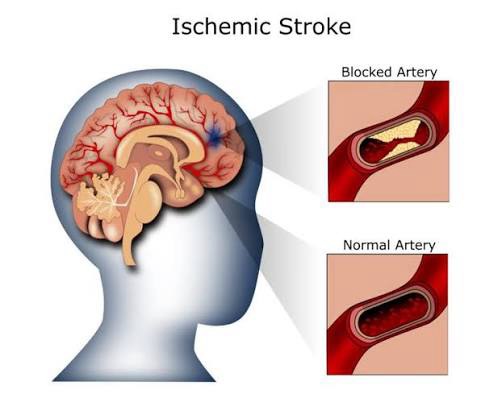
An ischemic stroke happens when blood flow to part of the brain is blocked. Without oxygen and nutrients, brain cells begin to die within minutes. This is the most common type of stroke, accounting for about 85% of all stroke cases.
Because brain tissue is extremely sensitive to oxygen loss, rapid treatment is critical. Early medical care can save brain cells, reduce disability, and improve recovery.

What Is an Ischemic Stroke?
An ischemic stroke occurs when a blood vessel supplying the brain becomes blocked, most often by a blood clot. This interruption prevents oxygen and glucose from reaching brain tissue, leading to rapid injury and cell death.
Causes and Risk Factors
- Atherosclerosis – plaque buildup narrows arteries and promotes clot formation
- Heart-related causes – atrial fibrillation and other rhythm disorders can form clots that travel to the brain
- Chronic conditions – high blood pressure, diabetes, and high cholesterol greatly increase risk
- Lifestyle factors – smoking, physical inactivity, and poor dietary habits
- Age and genetics – risk increases with age and family history
What Happens in the Brain?
When a brain artery is blocked, the affected area is deprived of oxygen. Neurons in the central area of damage die quickly, forming the core infarct.
Surrounding this area is the ischemic penumbra—brain tissue that is injured but still viable. Prompt restoration of blood flow can save this tissue and significantly improve outcomes.
Common Signs and Symptoms
- Sudden weakness or numbness on one side of the body
- Difficulty speaking or understanding speech (aphasia)
- Sudden vision loss or visual field defects
- Dizziness, loss of balance, or difficulty walking
- Headache (less common than in hemorrhagic stroke)
Stroke symptoms appear suddenly. Immediate medical attention is essential.
How Is Ischemic Stroke Diagnosed?
- CT scan – performed urgently to rule out brain bleeding
- MRI – provides detailed images of damaged brain tissue
- Blood tests – including glucose, clotting profile, and full blood count
- ECG and echocardiogram – to identify heart-related clot sources
Emergency Treatment
- Immediate stabilization of airway, breathing, and circulation
- Thrombolytic therapy (tPA) within 4.5 hours for eligible patients
- Mechanical thrombectomy for large vessel blockages, up to 24 hours in selected cases
- Careful control of blood pressure, blood sugar, and hydration
Preventing Another Stroke
- Antiplatelet medications such as aspirin
- Cholesterol management with statins
- Strict blood pressure and blood sugar control
- Lifestyle changes: quitting smoking, regular physical activity, and healthy eating
Possible Complications
- Brain swelling (cerebral edema)
- Bleeding into damaged brain tissue (hemorrhagic transformation)
- Swallowing problems leading to aspiration pneumonia
- Long-term disability such as weakness, speech problems, memory issues, or depression
Prognosis and Recovery
Recovery depends on the size and location of the stroke and how quickly treatment is started. Early intervention greatly improves outcomes.
Rehabilitation—including physical, occupational, and speech therapy—is essential for regaining independence and quality of life.