
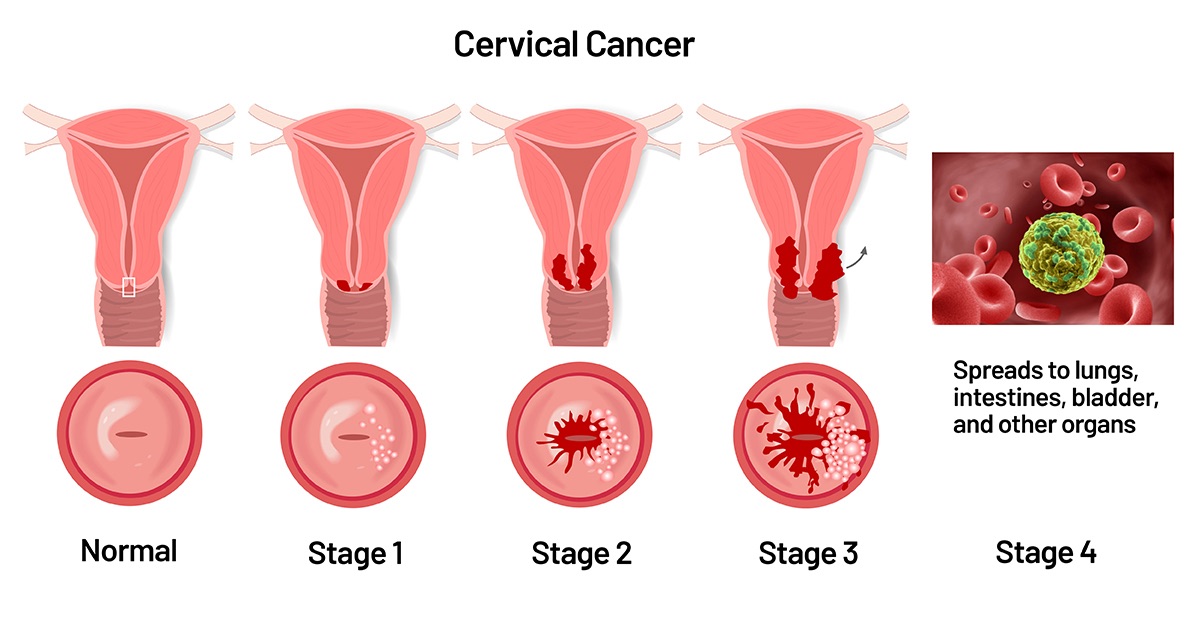
Cervical cancer is a disease that affects the cervix, the lower part of the uterus that connects to the vagina. It develops when abnormal cells grow uncontrollably over time. The good news is this: cervical cancer is one of the most preventable and treatable cancers when detected early.

What Causes Cervical Cancer?
The primary cause of cervical cancer is a long-term infection with the Human Papillomavirus (HPV), a very common virus. Most HPV infections resolve on their own, but persistent infection with high-risk strains can lead to cervical cell changes.
- Persistent HPV infection (main cause)
- Having multiple sexual partners
- A weakened immune system
- Smoking, which increases cancer risk


Common Symptoms to Watch For
In its early stages, cervical cancer may not cause obvious symptoms. As the disease progresses, some warning signs may appear.
- Abnormal vaginal bleeding (between periods or after intercourse)
- Pelvic pain or discomfort
- Unusual vaginal discharge
- Pain during intercourse
If any of these symptoms persist, medical advice should be sought promptly.
How Is Cervical Cancer Diagnosed?
Regular screening plays a crucial role in detecting cervical changes before they become cancerous. Doctors use several methods to confirm a diagnosis.
- Pap smear test – detects abnormal cervical cells
- HPV DNA test – identifies high-risk HPV infection
- Colposcopy – allows close examination of the cervix
- Biopsy – confirms the diagnosis through tissue testing
Treatment Options
Treatment depends on the stage of the cancer, overall health, and individual circumstances. Early-stage cervical cancer is often highly treatable.
- Surgery to remove affected tissue
- Radiation therapy to destroy cancer cells
- Chemotherapy for more advanced cases
- Targeted therapy in selected situations
Prevention: The Most Powerful Tool
Preventing cervical cancer is possible through vaccination, screening, and healthy lifestyle choices.
- HPV vaccination for young women and men
- Practicing safe sex, including condom use
- Regular Pap smear screenings
- Avoiding smoking and maintaining overall health
Conclusion
Cervical cancer does not have to be a life-threatening disease. With proper awareness, vaccination, and regular screening, most cases can be prevented or treated successfully. Early detection truly saves lives.
Taking charge of your health today can make a meaningful difference for the future.