
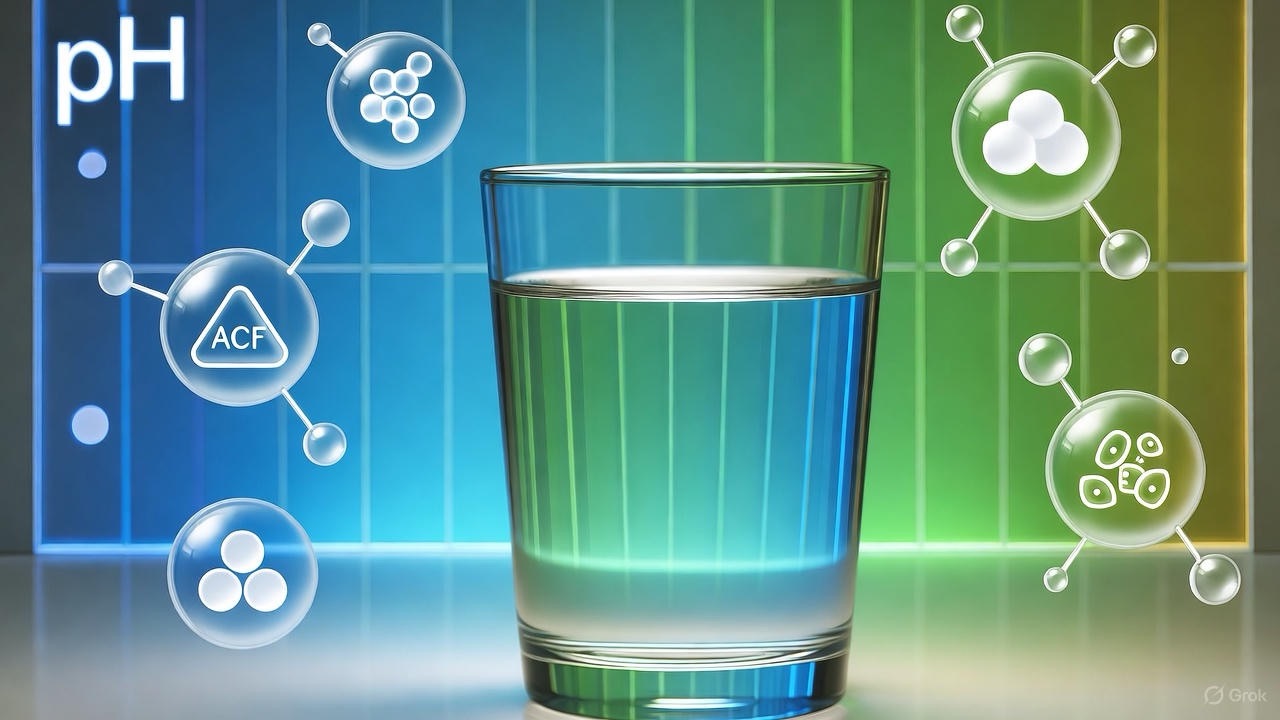
The human body maintains a delicate pH balance to keep every system functioning properly. Each organ and fluid has its own pH range that supports specific biochemical reactions. When this balance is disturbed — whether by poor diet, stress, or illness — health problems can arise. But does drinking alkaline water really help? Let’s examine what science says.
🌡️ pH Levels in Different Parts of the Body
pH is a measure of how acidic or alkaline a substance is, ranging from 0 (acidic) to 14 (alkaline). A pH of 7 is neutral. The body regulates its internal pH tightly — especially in the blood — because even small deviations can be harmful.
- Blood: pH 7.35–7.45 — slightly alkaline. The body maintains this through the lungs, kidneys, and buffer systems.
- Stomach: pH 1.5–3.5 — highly acidic to digest proteins and kill pathogens.
- Saliva: pH 6.2–7.6 — near neutral, aiding initial digestion and protecting teeth.
- Urine: pH 4.5–8.0 — varies depending on diet, hydration, and metabolism.
- Skin: pH 4.5–5.5 — slightly acidic, maintaining a barrier against microbes.
🧬 How the Body Maintains pH Balance
The lungs control carbon dioxide (an acid) by breathing it out. The kidneys regulate bicarbonate and excrete acids through urine. These systems constantly adjust to keep the blood pH within a narrow safe range. Diet, hydration, and lifestyle can support this process, but cannot fundamentally change the blood pH beyond this limit — unless a person is seriously ill.
💧 The Truth About Alkaline Water
Alkaline water has a higher pH (typically 8–9) than regular water (about 7). Supporters claim it helps “neutralize acid,” improve metabolism, and prevent disease. However, your stomach acid instantly reacts with alkaline water — neutralizing much of its effect before it can alter your body’s internal pH. The real benefit may come from hydration and trace minerals, not from drastically changing your body’s chemistry.
🔬 How Alkaline Water Is Made
- Electrolysis (Ionized Water): Water passes through an electric current that separates it into alkaline and acidic streams. Common in home ionizer machines.
- Mineral Addition: Some bottled alkaline waters add minerals like calcium, magnesium, or potassium hydroxide to raise pH.
- Natural Mineral Alkalinity: Groundwater or spring water becomes naturally alkaline as it passes through rocks and absorbs minerals such as calcium carbonate.
- Reverse Osmosis + Remineralization: Some systems first purify the water, then add minerals back to achieve mild alkalinity.
⚗️ Types of Alkaline Water and Their Effects
Different methods create different types of alkaline water — and not all are beneficial. Some can interfere with normal stomach acid activity.
1. Highly Ionized / Electrolysis Water (pH 9.5–11)
These waters can neutralize stomach acid and inactivate pepsin, the digestive enzyme for protein breakdown. Studies show water with pH around 8.8 can deactivate pepsin, offering temporary relief for acid reflux. However, long-term use or frequent drinking of very high-pH water may weaken digestion, reduce nutrient absorption, and alter gut flora.
2. Chemically Alkalized Water (pH 8.5–10)
Made by adding minerals such as calcium carbonate or magnesium oxide. At moderate pH levels (below 8.5), this water is generally safe. But high pH versions or excessive consumption, especially on an empty stomach, can reduce gastric acidity and cause bloating or slower digestion.
3. Natural Mineral Alkaline Water (pH 7.5–8.5)
Formed naturally by mineral absorption through rocks, this type is the most balanced. The body can easily handle its mild alkalinity, making it the safest for daily hydration without disrupting stomach acid.
4. Hydrogen-Rich Alkaline Water (pH 8–9.5)
This water contains dissolved molecular hydrogen. Its alkalinity is mild, and it rarely interferes with gastric acid. Early studies suggest possible antioxidant properties, but evidence remains limited.
⚠️ When Alkaline Water Can Be Harmful
- Drinking water with pH above 9.5 during or right after meals can neutralize stomach acid and impair digestion.
- People with low stomach acid, chronic gastritis, or elderly adults should avoid frequent use of strong alkaline water.
- Individuals with kidney disease or electrolyte imbalance should not consume ionized water without medical advice.
✅ Practical Advice
Use natural mineral alkaline water (pH 7.5–8.5) for everyday hydration. Avoid high-pH (≥9.0) ionized water around meals. If you use alkaline water for reflux, treat it as temporary symptom relief — not a cure. For long-term health, focus on balanced nutrition, stress management, and metabolic fitness rather than chasing extreme alkalinity.
📚 References
- Koufman JA, Johnston N. Potential benefits of pH 8.8 alkaline drinking water in reflux disease. Annals of Otology, Rhinology & Laryngology. 2012.
- Healthline. “Alkaline Water: Benefits, Side Effects, and Myths.” 2024.
- Mayo Clinic. “Alkaline Water: Does it really work?” 2023.
- WebMD. “What Is Alkaline Water?” 2024.
- MDPI Review. “Effects and Mechanisms of Alkaline Water on Health.” 2022.