
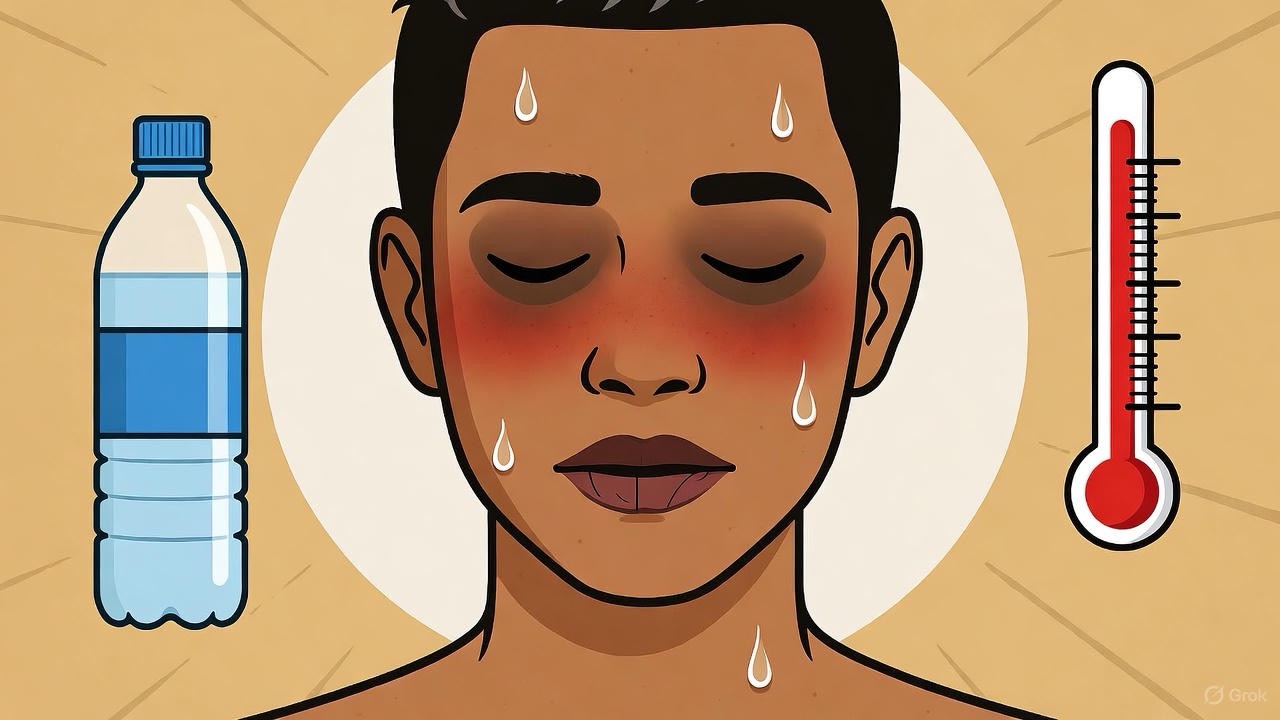
Dehydration occurs when the body loses more fluids than it takes in. Water is vital for all body functions — from regulating temperature to carrying nutrients and removing waste. When fluid levels drop too low, the body can no longer perform normally, leading to mild, moderate, or even severe dehydration.
🌡️ Causes of Dehydration
Dehydration can happen to anyone, but some situations make it more likely:
- Excessive sweating – during exercise or hot weather.
- Diarrhea and vomiting – rapid loss of fluids and electrolytes.
- Inadequate water intake – not drinking enough throughout the day.
- Fever – increases water loss through sweating and breathing.
- Medical conditions – such as diabetes, which increases urination.
🚨 Symptoms of Dehydration
Symptoms depend on the severity but often include:
- Dry mouth and tongue
- Dark yellow urine or decreased urination
- Fatigue and dizziness
- Rapid heartbeat and low blood pressure
- Confusion or lethargy in severe cases
⚕️ Complications
Severe dehydration can cause serious, sometimes life-threatening conditions such as:
- Heat injury – including heat cramps or heatstroke.
- Urinary and kidney problems – from concentrated waste buildup.
- Seizures – caused by electrolyte imbalance.
- Hypovolemic shock – a dangerous drop in blood volume and pressure.
🧪 Diagnosis
Doctors diagnose dehydration by assessing symptoms, checking vital signs, and conducting tests:
- Physical examination for dry skin, low blood pressure, and rapid pulse.
- Blood tests to measure electrolytes and kidney function.
- Urine tests to assess concentration and hydration status.
💧 Treatment
The main goal of treatment is to restore fluid balance and treat the underlying cause.
- Mild dehydration – drink water or an oral rehydration solution (ORS) that replaces electrolytes.
- Severe dehydration – may require intravenous (IV) fluids in a medical setting.
- Addressing the cause – such as treating infections, diarrhea, or blood sugar issues.
🍼 Dehydration in Children
Children are especially vulnerable to dehydration because they have smaller fluid reserves and higher metabolic rates. It’s one of the most common medical emergencies in pediatrics, particularly in cases of diarrhea or fever.
Common Causes in Children
- Diarrhea – the leading cause of dehydration in children.
- Vomiting – prevents adequate fluid replacement.
- Fever – increases fluid loss through sweat and breathing.
- Poor fluid intake – due to illness or refusal to drink.
- Excessive sweating – during hot weather or play.
Recognizing Dehydration in Children
- Dry mouth and tongue
- Sunken eyes or fontanelle (in infants)
- Fewer wet diapers or dark urine
- Irritability or unusual sleepiness
- Skin that stays “tented” when pinched
Management and Prevention
- Mild to moderate dehydration – give Oral Rehydration Solution (ORS), which contains water, glucose, and electrolytes.
- Severe dehydration – requires intravenous fluids (normal saline or Ringer’s lactate).
- Treat underlying causes – such as infections or diarrhea.
- Prevention – encourage regular fluid intake, especially during illness or hot weather.
- Educate parents – on early signs of dehydration and the importance of ORS use.
💡 Conclusion
Dehydration is both preventable and treatable. Recognizing early signs, drinking fluids regularly, and taking prompt action can save lives. For children, oral rehydration is a simple, affordable, and lifesaving measure — and educating families about hydration remains one of the most effective public health steps worldwide.
📚 References
1. Mayo Clinic. “Dehydration.” https://www.mayoclinic.org/diseases-conditions/dehydration
2. World Health Organization (WHO). “Oral Rehydration Salts: Treatment of Dehydration.” https://www.who.int
3. Centers for Disease Control and Prevention (CDC). “Managing Acute Gastroenteritis Among Children.” https://www.cdc.gov
4. Cleveland Clinic. “Dehydration: Symptoms, Causes, Treatment & Prevention.” https://my.clevelandclinic.org