
When someone is sick, recovering from surgery, or simply feeling weak, heavy meals can feel overwhelming. The appetite may be low, digestion sluggish, and nutrient absorption reduced. During these times, the body needs nourishment that is gentle, hydrating, nutrient-rich, and easy to digest.
This is where broth and soup become invaluable. For centuries, many cultures have relied on broth as a healing food for children, the elderly, and patients in recovery. Broth is not only nutritious but also a natural replacement for MSG, offering a rich, savory flavor without artificial additives.
Types of Nourishing Broth
1. Bone Broth
Bone broth is made by simmering bones over low heat for several hours, allowing nutrients to leach out slowly into the liquid.
Common bones include chicken, beef, and fish. When simmered, they release:
- Collagen and gelatin – support joint, skin, and connective tissue health.
- Glycine and proline – amino acids important for tissue repair and gut healing.
- Minerals such as calcium, magnesium, and phosphorus – essential for bone strength.
The long cooking process also develops natural umami flavors, making bone broth a flavorful alternative to MSG.
2. Seafood Broth
Seafood broth can be made from small fish like anchovies, dried seafood such as dried prawn and dried fish, and nutrient-rich seaweed. These ingredients infuse the broth with:
- Omega-3 fatty acids – support brain and heart health.
- Calcium and trace minerals – promote bone growth and recovery.
- Iodine and selenium – important for thyroid function and immunity.
- Anti-inflammatory compounds – help the body recover faster.
- Dietary fiber and minerals from seaweed – support gut health.
Seafood and seaweed broth is naturally savory and easy for children and patients to digest, making it a healthy alternative to MSG-rich broths.
3. Combining Broths for Maximum Nutrition
You can combine bone broth with seafood and seaweed for a nutrient powerhouse. For example:
- Chicken bones + dried shrimp + seaweed: rich in collagen, minerals, and trace elements.
- Beef bones + small fish + dried fish: high in protein, amino acids, and omega-3 fatty acids.
This combination enhances flavor naturally and provides a wide spectrum of nutrients, all without added MSG.
Why Soup Is So Beneficial
- Easy to digest: Slow-cooked proteins and connective tissues break down into small molecules that are easily absorbed.
- Hydration: Provides fluids along with electrolytes and nutrients, especially important for recovering patients.
- Boosts nutrient absorption: Warm liquids stimulate circulation and digestion, helping the body absorb amino acids and minerals.
- Flavor without MSG: The natural umami from bones, fish, and seaweed enhances taste without artificial additives.
- Supports appetite: Gentle warmth and savory taste encourage even children and weak patients to eat.
The Importance of Salt in Broth
Salt is essential for maintaining fluid balance, nerve function, and preventing fatigue. In moderation, it works with the natural flavors in broth to provide taste and electrolytes, further reducing the need for MSG.
The Role of Liquid Amino Seasonings
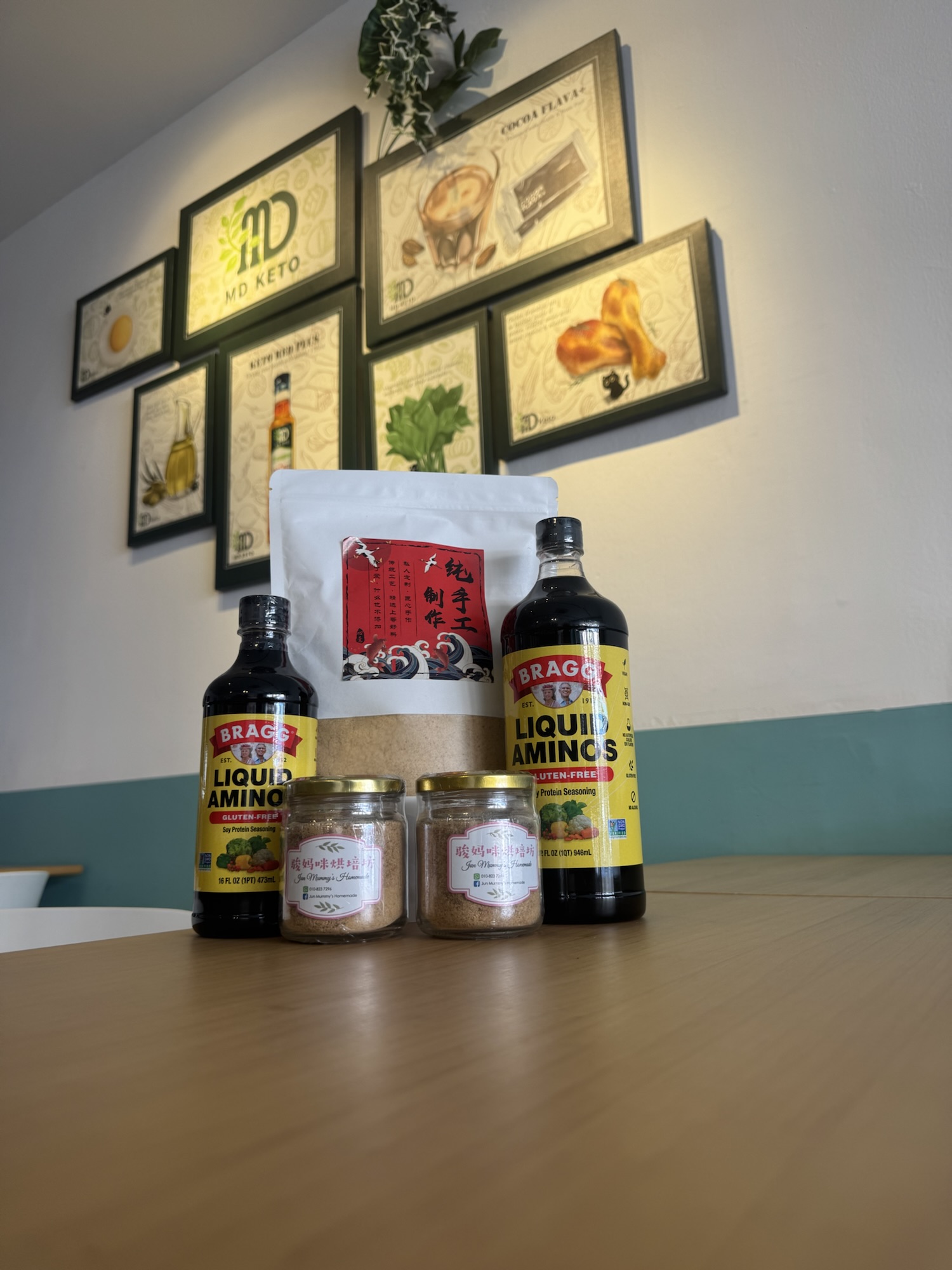
Liquid amino seasonings, whether soy-based or seafood-based like fish sauce, provide free amino acids and additional umami flavor. They enhance taste, support tissue repair, and are gentle on digestion, making them ideal for children and patients with poor appetite.
Addressing Uric Acid Concerns
Some worry that seafood broth may increase uric acid. For most people, moderate consumption is safe. Uric acid buildup is often due to dehydration or metabolic imbalance. Drinking enough water helps kidneys remove excess uric acid efficiently.
Broth and the Low-Carb, High-Fat (LCHF) Lifestyle
Broth is naturally low in carbohydrates and fits perfectly into a low-carb, high-fat (LCHF) diet. It provides:
- Protein and amino acids – support muscle repair and recovery.
- Minerals and electrolytes – maintain hydration and metabolic function.
- Natural fats (when using bone marrow or fatty fish) – help satiety and energy without raising blood sugar.
Drinking broth regularly in a LCHF diet helps maintain electrolyte balance, supports metabolism, improves satiety, and adds natural flavor without MSG or carbs.
Practical Tips for Making Broth
- Use fresh bones or seafood for best nutrient quality.
- Simmer bone broth for at least 6–8 hours, seafood broth for 1–2 hours.
- Add dried shrimp, dried fish, and seaweed in the last 30–60 minutes to preserve delicate flavors and nutrients.
- Season lightly with salt and optionally liquid amino, avoiding MSG.
- Store in airtight containers; broth can be frozen for convenience.
Conclusion: A Simple Yet Powerful Healing Food
Bone broth, small fish broth, dried prawn/fish broth, and seaweed broth are gentle, nutrient-rich, and hydrating. They are natural, MSG-free, and perfect for children, recovering patients, or anyone on a low-carb diet. A warm bowl of broth is not just comforting—it’s a simple, effective way to nourish the body and support recovery.