
Introduction
Rheumatoid Arthritis (RA) is not a simple joint problem or a normal part of aging. It is a chronic autoimmune disease in which the immune system mistakenly attacks the body’s own tissues. The joints are the primary target, but RA can also affect the eyes, lungs, heart, and blood vessels.
Women are affected more frequently than men, and symptoms often begin between the ages of 30 and 60, a time when physical function and long-term health matter most.
Causes of Rheumatoid Arthritis
RA develops from a combination of immune dysfunction, genetics, and environmental triggers.
- Autoimmune response: The immune system attacks the synovial lining of joints.
- Genetic factors: A family history increases susceptibility.
- Environmental triggers: Smoking, infections, and chronic stress can initiate disease.
- Hormonal influence: Estrogen may affect immune regulation.
Risk Factors
- Family history of rheumatoid arthritis
- Female gender
- Age between 30 and 60
- Smoking and obesity
Signs and Symptoms
- Joint pain and swelling: Often in hands, wrists, and feet, usually symmetrical.
- Morning stiffness: Lasting more than 30 minutes.
- Fatigue and weakness: Caused by chronic inflammation.
- Rheumatoid nodules: Firm lumps under the skin near joints.
- Systemic symptoms: Fever, weight loss, anemia.
What Happens Inside the Body
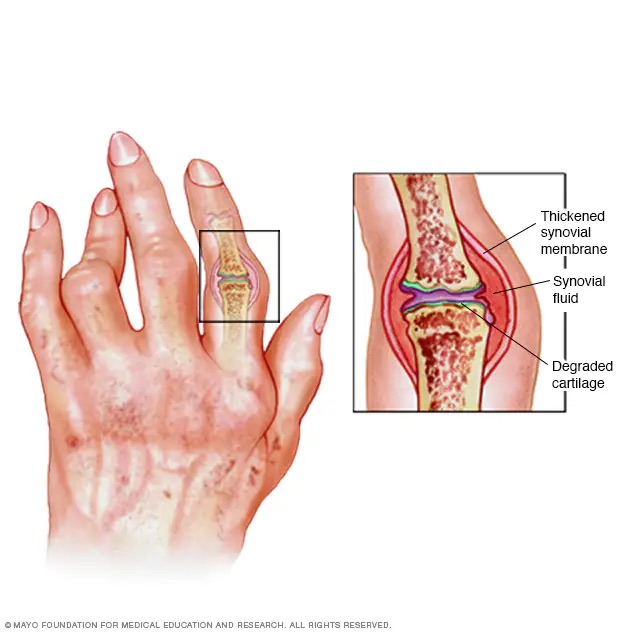
RA begins with immune activation. T-cells and autoantibodies attack the synovial membrane, causing chronic inflammation. This leads to thickening of the synovium, pannus formation, and gradual destruction of cartilage and bone.
Without treatment, this inflammatory cycle progresses and results in joint deformity and disability.
Diagnosis
- Medical history and physical examination
- Blood tests: Rheumatoid Factor (RF), Anti-CCP, ESR, CRP
- Imaging: X-ray, ultrasound, or MRI
- Diagnosis based on ACR/EULAR criteria
Treatment and Management
- NSAIDs for pain and inflammation
- Corticosteroids for short-term control
- DMARDs such as methotrexate to slow progression
- Biologic agents targeting immune pathways
- Regular exercise and physical therapy
- Low-carb, anti-inflammatory diet
- Smoking cessation
- Surgery for severe joint damage
Complications
- Joint deformity and disability
- Increased cardiovascular disease risk
- Interstitial lung disease
- Osteoporosis
- Depression and anxiety
Prevention and Long-Term Care
Early diagnosis and consistent treatment are critical. Regular movement, stress management, and anti-inflammatory nutrition help reduce flare-ups and preserve joint function.
Conclusion
Rheumatoid Arthritis is a serious autoimmune condition that affects more than just the joints. With early intervention, proper medical care, and supportive lifestyle choices, many individuals can maintain mobility and quality of life.