
Gout is one of the oldest known joint diseases, yet it remains widely misunderstood. Many people still believe it is simply a “rich man’s disease” or a condition caused only by eating too much meat. In reality, gout is a complex medical condition with clear biological causes, and it can affect anyone.
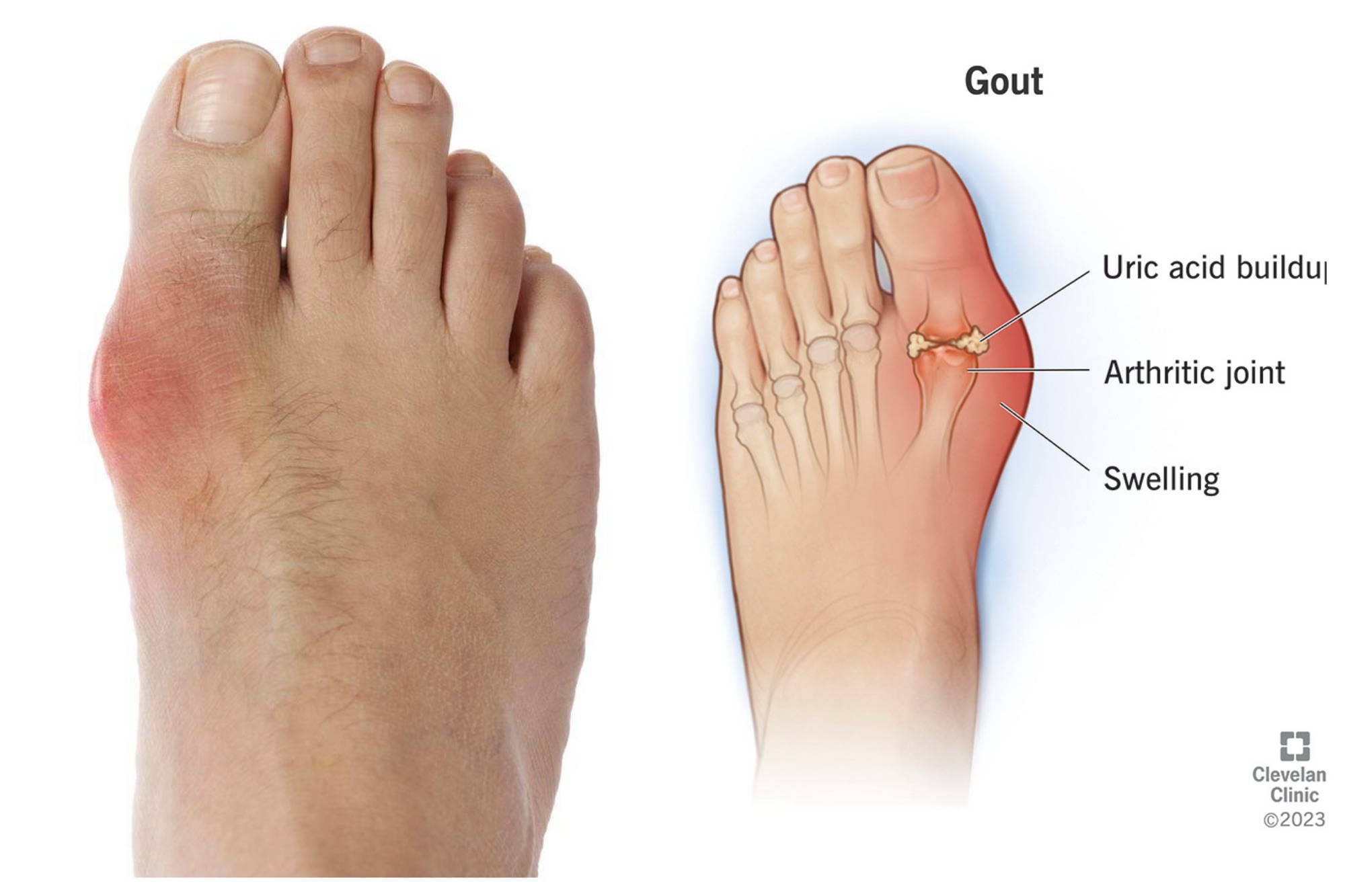
At its core, gout is a form of inflammatory arthritis caused by the accumulation of uric acid crystals inside the joints. When these sharp crystals form, the immune system reacts aggressively, triggering sudden and severe inflammation. The pain can be intense and disabling.
What Exactly Is Gout?
Gout develops when there is an excessive amount of uric acid in the blood, a condition known as hyperuricemia. Uric acid is a natural waste product formed when the body breaks down purines, substances found in both certain foods and human cells.
Under normal circumstances, uric acid dissolves in the blood and is eliminated by the kidneys through urine. Problems arise when:
- The body produces too much uric acid
- The kidneys are unable to excrete enough uric acid
- Or both occur at the same time
When uric acid levels rise too high, needle-like crystals can form and deposit in joints. The big toe is the most commonly affected site, but gout can also affect the ankles, knees, wrists, fingers, and elbows.
Why Gout Is So Painful
A gout attack often begins suddenly, frequently during the night. Many patients describe the pain as burning, crushing, or stabbing. Even light pressure, such as a bedsheet touching the joint, may feel unbearable.
Common features of a gout flare include:
- Severe joint pain
- Swelling and redness
- Warmth over the affected joint
- Stiffness and reduced range of motion
If gout is not properly managed, attacks may recur. Over time, repeated inflammation can cause irreversible joint damage.
Causes of Gout
The fundamental cause of gout is elevated uric acid levels, but several factors contribute to its development:
- Overproduction of uric acid, often influenced by genetics or increased cell turnover
- Reduced excretion by the kidneys, commonly seen in kidney disease
- Dietary factors, such as frequent consumption of fruit,high fructose food,red meat, certain seafood, and alcohol
- Medications, especially diuretics used for blood pressure control, which reduce uric acid excretion
It is important to understand that diet alone is rarely the sole cause. Many individuals with gout do not overeat, while others consume high-purine foods without ever developing the condition.
Risk Factors
Certain factors increase the likelihood of developing gout:
- Obesity
- High blood pressure
- Family history of gout
- Chronic kidney disease
- Regular alcohol consumption
- Diets consistently high in red meat
Gout is more common in men, particularly before women reach menopause.
Signs and Symptoms
Gout typically presents with dramatic symptoms rather than gradual discomfort. These include:
- Sudden, intense joint pain, often at night
- Swelling, redness, and warmth over the joint
- Limited joint movement
In long-standing or poorly controlled cases, tophi may form. These are visible deposits of urate crystals in joints or soft tissues and indicate chronic gout.
How Gout Is Diagnosed
Accurate diagnosis is essential for effective treatment. Doctors may use:
- Physical examination and detailed medical history
- Synovial fluid analysis to identify uric acid crystals
- Blood tests to measure uric acid levels
- X-rays or ultrasound imaging to assess joint damage
It is worth noting that uric acid levels can sometimes appear normal during an acute attack, so diagnosis relies on more than blood tests alone.
Treatment Options
Treatment focuses on two goals: relieving acute pain and preventing future attacks.
Managing Acute Attacks
- Nonsteroidal anti-inflammatory drugs (NSAIDs)
- Colchicine
- Corticosteroids
These medications reduce inflammation but do not address the underlying uric acid imbalance.
Long-Term Management
- Urate-lowering medications such as allopurinol
- Monitoring kidney function
- Consistent, long-term treatment adherence
Stopping medication once symptoms improve is a common mistake and often leads to recurrence.
Prevention Strategies
Preventing gout flares is about reducing uric acid burden over time. Effective strategies include:
- Avoiding foods and drinks high in fructose
- Limiting alcohol and sugary beverages
- Staying well hydrated
- Maintaining a healthy body weight
- Regular medical follow-ups to monitor uric acid levels
Extreme dietary restriction is usually unnecessary and difficult to sustain.
Possible Complications
If left untreated, gout can lead to serious long-term complications:
- Chronic gouty arthritis with joint deformities
- Tophi formation in joints and soft tissues
- Kidney stones caused by uric acid crystal buildup
- Permanent joint damage and loss of mobility
Final Thoughts
Gout is not a moral failure, nor is it simply the result of poor dietary choices. It is a metabolic and inflammatory condition shaped by genetics, kidney health, lifestyle, and aging.
The encouraging reality is that gout is one of the most treatable forms of arthritis. With proper diagnosis, consistent treatment, and sensible lifestyle adjustments, most people can prevent repeated attacks and protect their joints for the long term.
Joint pain should never be ignored. Early action can make the difference between temporary inflammation and permanent damage.