
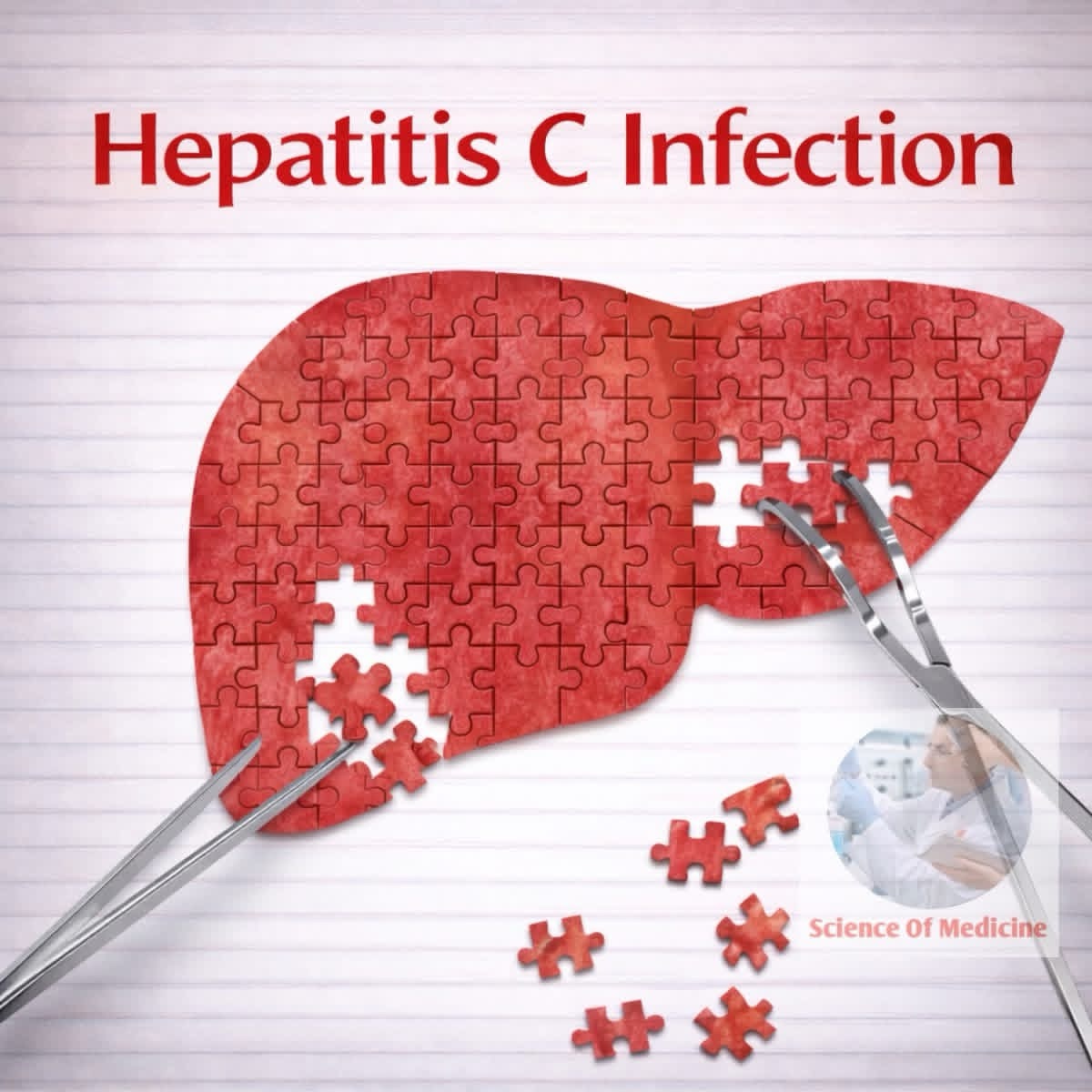
Hepatitis is a medical term that simply means inflammation of the liver. The word comes from two parts: “Hepat” (liver) and “itis” (inflammation). When the liver becomes inflamed, its normal functions can be affected.
One common cause of hepatitis is infection by a virus. When viruses infect the liver and cause inflammation, the condition is known as viral hepatitis.

The Liver: One of the Body’s Most Important Organs
The liver sits in the upper right side of the abdomen. It is one of the hardest-working organs in the body and performs hundreds of essential tasks every day.
- Filters and cleans the blood
- Regulates hormones
- Helps blood clot properly
- Produces bile for digestion
- Produces important proteins
- Maintains healthy blood sugar levels
- Helps process nutrients and toxins
Because the liver does so many critical jobs, inflammation can affect many areas of health.
What Happens When the Liver Is Inflamed?
When hepatitis occurs, the liver becomes inflamed and damaged. Over time, repeated injury may cause scar tissue to form inside the liver. This scarring can trap healthy liver cells and interfere with normal liver function.
If the damage continues for many years, it may eventually lead to severe liver disease.

Types of Viral Hepatitis
There are five main types of viral hepatitis:
- Hepatitis A – spread mainly through contaminated food or water (fecal-oral transmission)
- Hepatitis B – spread through blood and sexual fluids
- Hepatitis C – spread mainly through blood-to-blood contact
- Hepatitis D – occurs only in people who already have Hepatitis B
- Hepatitis E – usually spread through contaminated food or water
Each type behaves differently and requires different prevention strategies.
Understanding Hepatitis C
Hepatitis C is a viral infection that affects millions of people worldwide. It spreads mainly through contact with infected blood.
Global estimates suggest around 170 million people have been infected with Hepatitis C. Many people do not even realize they carry the virus because symptoms may not appear for years.
Currently, there is no vaccine available to prevent Hepatitis C.
How Hepatitis C Progresses
Hepatitis C does not affect everyone in the same way.
- Only about 20% of people show symptoms in the early stage
- About 80% develop chronic hepatitis
- Some people clear the virus with treatment
- Others may develop long-term liver damage
The progression from infection to severe liver disease can take 20 to 30 years in many cases.

Factors That Influence Disease Progression
Certain factors can slow or speed up liver damage.
Slower progression may occur if:
- The person was young at the time of infection
- The liver was healthy at the beginning
- The person is female
Faster progression may occur if:
- Alcohol is consumed regularly
- There is co-infection with HIV or Hepatitis B
- The liver was already damaged before infection
Signs and Symptoms of Hepatitis
Many people have no symptoms in the early stage, but some may experience:
- Fatigue
- Nausea
- Loss of appetite
- Dark urine
- Pale or clay-colored stool
- Jaundice (yellowing of the skin or eyes)

Because symptoms may be mild or absent, many infections are discovered only through blood tests.
How Hepatitis C Spreads
Hepatitis C spreads mainly through contact with infected blood.
Common transmission routes include:
- Sharing needles or drug equipment
- Blood transfusions (especially in the past before screening)
- Unsterilized tattoo or piercing equipment
- Unprotected sex in certain situations
The virus does NOT spread through casual contact such as hugging, sneezing, or sharing food utensils.
Risk Factors
- Injection drug use
- Unknown exposure sources
- Tattooing or body piercing with non-sterile equipment
- Medical or dental procedures in unsafe settings
- Blood transfusions or dialysis
- Time spent in correctional facilities
Prevention
Preventing infection requires awareness and safe practices.
- Never share needles or drug equipment
- Do not share toothbrushes or razors that may contain blood
- Practice safer sex
- Ensure tattoo and piercing equipment is properly sterilized
- Avoid contact with contaminated needles
If a needle is found in a public place, it should be handled carefully with proper equipment and disposed of in a puncture-proof container.
Final Thoughts
Hepatitis is a serious condition, but many cases can be prevented through education, safe practices, and early testing.
Because the liver plays such a central role in metabolism, detoxification, and nutrient processing, protecting liver health is essential for long-term well-being.